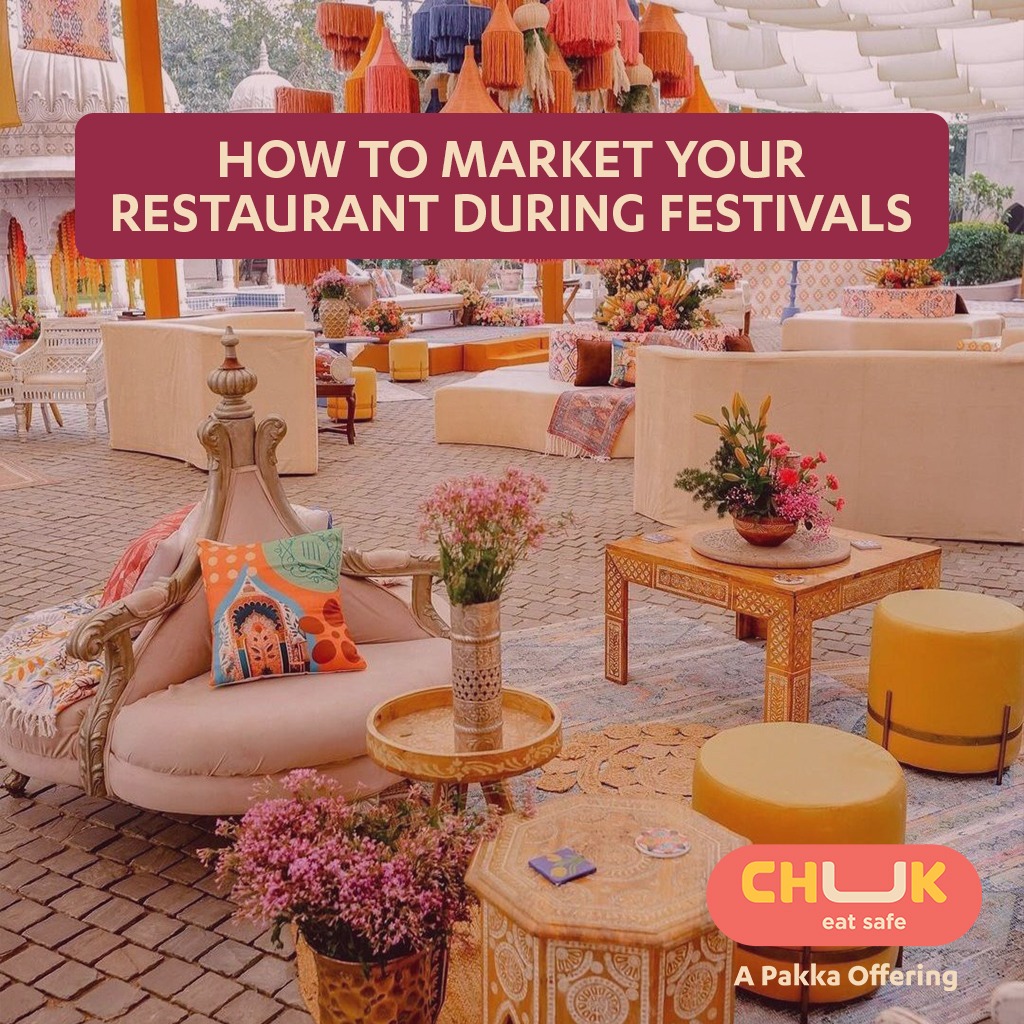
9 ways to increase sales during festivals and holidays (a practical guide for restaurant owners)
Festivals in India are not just calendar events. They are shifts in how an entire country eats, gathers, and spends. Navratri fasting menus, Diwali mithai orders, Eid biryani takeaways, Christmas buffet bookings — every season brings a surge that most restaurants feel but few actually plan for.
The honest truth? Most restaurant owners treat festivals as decoration days. A few fairy lights, a social media post, maybe a combo deal. Then they wonder why the place down the road is packed while their tables sit half-empty.
If you are a restaurant owner, QSR operator, or caterer, festivals are your highest-margin windows of the year. The customers are already in spending mode. Your job is to give them a reason to choose you — and a reason to come back after the festivities end.
Here is how to do exactly that.
Key Takeaways
- Festival seasons drive 25-40% higher footfall for restaurants that plan campaigns in advance
- Special festival menus with limited-time dishes create urgency and justify premium pricing
- Takeaway and catering orders spike during festivals — your packaging is your brand ambassador
- Compostable disposables from sugarcane bagasse align with the cultural-spiritual values of Indian festivals while reducing waste costs
- Social media storytelling around your festival preparations outperforms generic discount posts
- Collaborations with local influencers during peak festive weeks deliver higher ROI than any other time of year
1. Build festival-specific menus that create urgency
A regular menu does not excite anyone during festival season. What works is a limited-time festival menu that feels special, tastes traditional, and gives customers a reason to visit now rather than later.
Think about it this way:
- Diwali: A curated Diwali Thali with regional sweets, served on compostable plates that match the occasion’s spirit of purity and renewal
- Navratri: A dedicated fasting menu (kuttu ki puri, sabudana khichdi, singhara atta dishes) available only for the nine days
- Eid: A special biryani feast box with raita, salad, and kebabs — packaged for family gatherings
- Christmas: A continental buffet with plum cake, roast options, and hot chocolate served in compostable cups
- Pongal/Makar Sankranti: A traditional harvest thali with til-gur items and freshly made pongal
The key is scarcity. When the menu disappears after the festival, customers remember it. They come back next year. They tell friends.
Pricing tip: Festival menus command 15-30% higher pricing than regular items. Customers expect to pay more for something special. Do not underprice.
2. Transform your restaurant ambiance for the festival
Your customers are not just ordering food during festivals. They are looking for an experience. The restaurant that feels festive wins the walk-in crowd.
Here is what works without breaking the budget:
- Marigold strings and torans for Diwali and Navratri — traditional, affordable, naturally compostable
- Rangoli at the entrance using rice flour and flower petals (the original, not synthetic powders)
- Banana leaf place settings for South Indian festivals like Onam and Pongal
- Diyas and candles on each table during Diwali week — costs almost nothing, changes everything
- Themed music playlists that match the festival mood
One thing most restaurants miss: your tableware is part of the ambiance. Serving a festive thali on a flimsy plastic plate kills the mood. Serving it on a sturdy compostable plate made from sugarcane bagasse feels premium, looks clean, and aligns with the cultural values your customers care about during festivals.
3. Design festival deals and combos that actually move volume
Generic “10% off” promotions get ignored. Festival-specific combos that tell a story perform far better.
| Festival | Combo Idea | Why It Works |
|---|---|---|
| Navratri | “No-Plastic Navratri Meal Box” — fasting thali in compostable containers | Aligns with the spiritual purity theme of Navratri fasting |
| Diwali | “Diwali Family Feast” — serves 4, packed in compostable clamshells | Family gatherings drive large orders. Packaging becomes the presentation |
| Raksha Bandhan | “Sibling Meal Deal” — two thalis + dessert at a bundled price | Emotional hook. Easy to promote on social media |
| Eid | “Eid Biryani Box” — biryani + sides for the family table | Takeaway demand peaks. Packaging must handle heat and moisture |
| Christmas | “Feast Without the Footprint” — buffet + compostable tableware | Appeals to the growing segment that cares about sustainability |
| Holi | “Colour Party Pack” — thandai + gujiya + namkeen in a party box | Outdoor celebrations need spill-proof, sturdy packaging |
What to avoid:
- Buy-one-get-one deals that erode your margins
- Discounts without a festive theme (customers ignore them)
- Promotions that require complicated redemption steps
4. Use social media to show, not just sell
During festivals, your social media should feel like a backstage pass to your kitchen and dining floor. Not a catalogue of offers.
Content that performs during festival season:
- Behind-the-scenes reels of your chef preparing the festival special
- Time-lapse videos of your restaurant being decorated for Diwali or Christmas
- Customer photos enjoying festive meals (with permission, tagged and reposted)
- Staff in festive outfits — a simple touch that humanizes your brand
- Packaging reveals — show how your takeaway boxes look when they arrive at a customer’s door
One angle that consistently drives engagement: show your commitment to serving food on compostable disposables instead of plastic. During festivals that celebrate nature, renewal, and gratitude — Diwali, Pongal, Makar Sankranti — this resonates deeply with customers.
Posting schedule: Start festival content 10-14 days before the occasion. Peak posting during the festival week. One thank-you post after.
5. Partner with local food influencers at the right time
Influencer collaborations during festivals deliver 2-3x the engagement of off-season partnerships. The reason is simple: everyone is searching for festival food recommendations.
How to do it right:
- Invite influencers 7-10 days before the festival so their content goes live during the search peak
- Brief them on your story, not just the menu. If you use compostable disposables, if your festival menu uses a family recipe, if your staff fasts alongside Navratri customers — these details make content authentic
- Offer an experience, not just a free meal. A cooking session with your chef, a first-taste of the festival menu, a behind-the-scenes tour
- Focus on micro-influencers (5K-50K followers) in your city. They have higher engagement rates and their audience is local — your actual customer base
Budget reality: A micro-influencer collaboration during festivals costs INR 2,000-10,000 and can reach 10,000-50,000 local food enthusiasts. Compare that to a newspaper ad.
6. Win the takeaway and catering game during festivals
This is where most restaurants leave money on the table. During festivals, takeaway and catering orders can account for 40-60% of total revenue. Families order in. Offices order for their teams. Temples and community centres order for large gatherings.
Your packaging becomes your brand during takeaway. Here is what matters:
- Leak-proof containers for gravy dishes (dal makhani, paneer butter masala, biryani)
- Sturdy plates that do not buckle under heavy thalis
- Stackable boxes for large catering orders that need transport
- Cups that handle hot chai and thandai without getting soggy
Compostable containers from sugarcane bagasse check every box. They handle heat, resist oil and moisture, stack cleanly, and decompose within 90-180 days. For a festival like Eid where biryani takeaways dominate, or Diwali where sweet boxes travel across the city, your packaging speaks before your food does.
Operational tip: Stock 30-40% more packaging than your usual weekly requirement during major festival weeks. Running out of containers on Diwali night is a problem you do not want.
7. Host festival-themed events and competitions
Events turn one-time diners into regulars. During festivals, the bar for participation is lower — people are already in celebration mode.
Ideas that work for restaurants:
- Diwali rangoli competition at your restaurant entrance — customers create, you provide materials. Winner gets a free meal
- Navratri cooking challenge — participants bring a fasting dish, served to other diners for votes, all on compostable tableware
- Christmas carol night with live music and a special dessert menu
- Pongal potluck — community-style gathering where everyone contributes a dish
- Holi colour run brunch — a morning event with thandai, gujiya, and outdoor seating
The key is to make these shareable. When customers post about your event, you get organic reach that no paid ad can match.
Logistics tip: Use compostable disposables for event service. Large gatherings generate enormous waste. When everything is compostable, cleanup takes half the time and your waste disposal costs drop.
8. Launch festival gift vouchers and hampers
Gifting during Indian festivals is not optional. It is cultural expectation. Position your restaurant as a gifting destination, not just a dining one.
What you can offer:
- “Gift a Meal” vouchers — INR 500/1000/2000 denominations, packaged in a simple kraft paper envelope
- Festival hamper boxes — curated sweets + snacks from your kitchen, packed in compostable containers
- Corporate gifting packages — 50-100 hampers for companies looking for employee or client gifts
- Digital vouchers — for customers who want to send gifts across cities
Corporate gifting is the high-volume play here. A single corporate order of 100 hampers at INR 800 each is INR 80,000 in revenue from one client. Reach out to local offices 3-4 weeks before Diwali and Holi.
Packaging matters: A gift hamper in flimsy plastic says nothing. The same hamper in a clean, sturdy compostable box with a handwritten note says everything. Your packaging is part of the gift.
9. Build a festival calendar and plan 30 days ahead
The biggest difference between restaurants that thrive during festivals and those that scramble? Planning.
Here is a festival calendar framework for Indian restaurants:
| Month | Major Festival | Action Items |
|---|---|---|
| January | Makar Sankranti / Pongal / Republic Day | Harvest thali, til-gur specials, regional menus |
| March | Holi | Colour party packs, thandai menu, outdoor events |
| March-April | Navratri / Ram Navami | Fasting menu, no-plastic meal boxes, purity-themed marketing |
| April-May | Eid ul-Fitr | Biryani family packs, kebab platters, iftar catering |
| August | Raksha Bandhan / Independence Day | Sibling combos, patriotic-themed branding |
| August-September | Ganesh Chaturthi / Onam | Modak specials, sadya meals, eco-friendly event service |
| September-October | Navratri / Durga Puja / Dussehra | Extended fasting menus, pandal catering, community events |
| October-November | Diwali / Bhai Dooj | Family feast combos, corporate gifting, gift vouchers, premium thalis |
| December | Christmas / New Year | Buffet menus, party reservations, year-end events |
The 30-day rule: For every major festival, your menu should be finalized 30 days out. Marketing should start 14 days out. Packaging and supplies should be ordered 21 days out. Staff scheduling should be locked 7 days out.
Why your festival packaging choice is a business decision, not just an environmental one
As a restaurant owner, every rupee matters. So let us talk numbers, not just values.
- Plastic disposal costs are rising in every Indian city. Many municipalities now fine commercial establishments for plastic waste
- Customer perception shifts during festivals. When someone orders a Diwali thali and it arrives in a compostable container, the experience feels premium. When it arrives in a plastic box, it feels cheap — regardless of the food quality
- Regulatory compliance is tightening. The 2022 Single-Use Plastic Ban already prohibits several categories. More restrictions are coming
- Composting saves money at scale. Compostable disposables go into wet waste, not special disposal. For restaurants generating 50-100kg of waste daily during festival peaks, this matters
Compostable disposables from sugarcane bagasse — plates, bowls, containers, cups — handle every Indian dish. Hot biryani, oily samosas, gravy-heavy curries, cold desserts. They do not leak, they do not buckle, and they decompose within 90-180 days.
The cost difference? About 15-25% more per piece compared to conventional plastic. But when you factor in waste disposal savings, customer willingness to pay more for sustainable packaging, and regulatory risk avoidance — the math works in your favour.
In a Nutshell
Festival seasons are the highest-revenue windows for Indian restaurants. But capturing that revenue takes more than putting up lights and running a generic discount. It takes planning, storytelling, the right menu, and smart operational choices — including what you serve your food on.
Here is the distilled version:
- Build festival menus that feel special and time-limited
- Transform your space with traditional, low-cost decor
- Design combos that tell a story, not just offer a discount
- Show your festival prep on social media instead of posting flyers
- Collaborate with local influencers during the search peak
- Dominate takeaway and catering with packaging that travels well
- Host events that turn diners into community members
- Launch gift vouchers and hampers for corporate and personal gifting
- Plan 30 days ahead with a full festival calendar
The restaurants that win festival season are the ones that treat it like a campaign, not a coincidence. And the ones that serve on compostable disposables? They tell customers, without saying a word, that this is a place that does things the right way.
Frequently Asked Questions
How early should I start planning my restaurant’s festival marketing?
Start at least 30 days before any major festival. Menu development needs 30 days, supply and packaging orders need 21 days, marketing content needs 14 days, and staff scheduling needs 7 days. For Diwali and Navratri — the biggest food-driven festivals — consider starting 45 days out.
Do festival menus actually increase revenue, or do they just replace regular orders?
Festival menus create additive revenue, not substitutive. They bring in customers who would not visit otherwise (especially for takeaway and catering). They justify premium pricing — customers expect to pay 15-30% more for a curated festival experience. And they generate social media content that drives walk-ins.
What is the cost difference between plastic and compostable disposables for festival service?
Compostable disposables made from sugarcane bagasse typically cost 15-25% more per piece than conventional plastic. However, the total cost difference shrinks when you account for rising plastic disposal fees, potential municipal fines, and the premium pricing customers accept from restaurants that demonstrate sustainable practices.
Which festivals generate the most takeaway and catering orders for restaurants?
Diwali leads the pack, followed closely by Eid ul-Fitr and Navratri. Diwali drives the highest volume of sweet box orders, corporate gifting, and family feast takeaways. Eid drives biryani and kebab family packs. Navratri drives fasting meal deliveries. Christmas and Holi generate strong event and party catering demand.
Can compostable disposables handle hot, oily Indian festival food?
Yes. Compostable plates and containers made from sugarcane bagasse are designed for Indian food service. They handle temperatures up to 120 degrees Celsius, resist oil and moisture without leaking, and maintain structural integrity with heavy items like loaded thalis, biryani portions, and gravy dishes. They perform identically to plastic in every functional test.
How do I get corporate gifting orders during Diwali?
Start outreach 4-5 weeks before Diwali. Prepare a one-page hamper menu with 3-4 price tiers (INR 500, 800, 1200, 2000). Contact HR managers and office managers at local companies. Offer free delivery for orders above 25 units. Present your hampers in clean compostable packaging with a handwritten note option — this outperforms generic plastic-wrapped boxes in corporate settings.
What social media content works best during festival season?
Behind-the-scenes kitchen content, staff in festive outfits, time-lapse decoration videos, and customer experience photos consistently outperform promotional discount posts. Start posting 10-14 days before the festival, increase frequency during the festival week, and close with a thank-you post. Reels and short videos get 3-4x more reach than static images during festival periods.