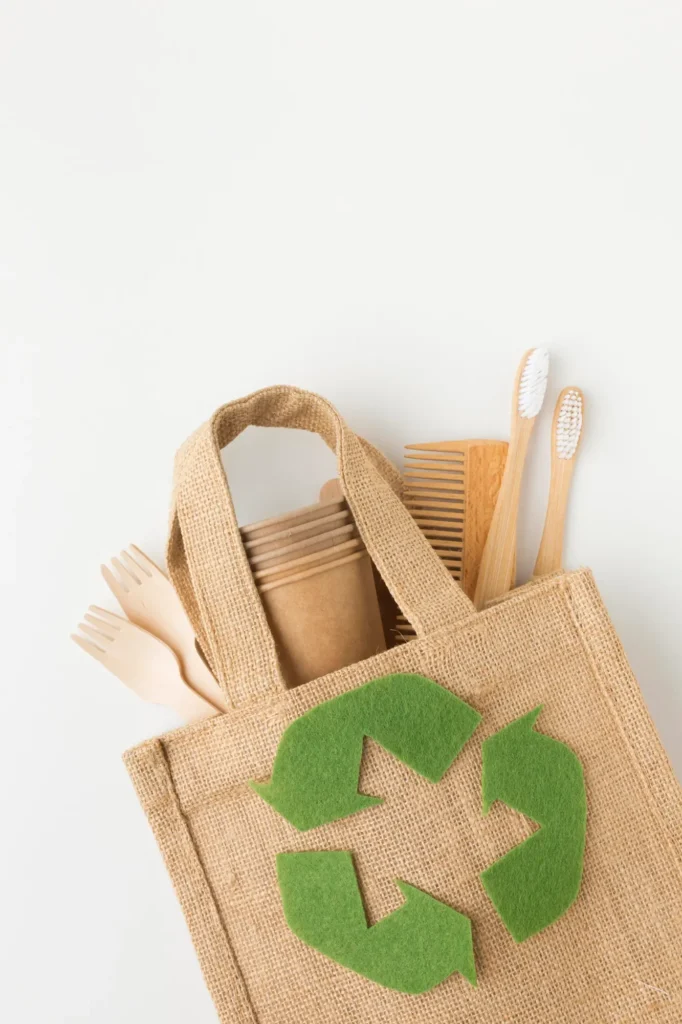
Sustainable Packaging Trends Reshaping India’s Food Industry
If you run a restaurant, cloud kitchen, or catering business in India, you already know this: your packaging choices are no longer invisible. Customers notice. Regulators notice. Delivery platforms notice. And the shift toward sustainable packaging is not a passing phase — it is the new operating standard.
But here is the honest truth. Most articles on packaging trends read like wishlists written for boardrooms in Europe. They skip the realities of running a food business in India — tight margins, FSSAI compliance, high-volume takeaway, and customers who judge your brand by the container their biryani arrives in.
This guide breaks down the packaging trends that actually matter for Indian food service operators. No fluff. Just what is changing, why it affects your bottom line, and how to stay ahead.
Key Takeaways
- Sustainable packaging is now a competitive requirement, not a premium add-on
- Compostable disposables are replacing single-use plastics across Indian food service
- Minimalist packaging cuts costs while strengthening brand perception
- State-level plastic bans and EPR regulations are accelerating the shift
- Customers on Zomato and Swiggy actively favour restaurants with sustainable packaging
- Reusable and refill models are gaining traction in dine-in and catering
Why Sustainable Packaging Is No Longer Optional for Food Businesses
Three forces are converging on Indian food service operators at the same time:
- Regulation is tightening. India’s Plastic Waste Management Rules and Extended Producer Responsibility (EPR) framework are pushing single-use plastics out. Multiple states have enforced bans on plastic cutlery, plates, and carry bags.
- Customers are choosing differently. Surveys consistently show that Indian consumers — particularly in metro and Tier-1 cities — prefer ordering from restaurants that use sustainable packaging. On delivery platforms, packaging quality directly affects ratings and repeat orders.
- Costs are shifting. Compostable disposables, once priced at a premium, have become cost-competitive as production scales up domestically. When you factor in compliance penalties and brand perception, the total cost of sticking with plastic is often higher.
As a restaurant owner or cloud kitchen founder, the question is no longer “should I switch?” It is “how fast can I make the transition without disrupting operations?”
The Packaging Trends That Actually Matter in India
1. Compostable Disposables Are Becoming the Default
This is the most significant shift in Indian food packaging. Compostable disposables — made from materials like bagasse (sugarcane fibre), PLA, and plant starch — are replacing plastic across the food service chain.
Why it matters for your business:
- FSSAI-compliant and food-grade certified
- Handles hot, oily, and gravy-heavy Indian food without leaking or warping
- Breaks down naturally in 90-180 days, unlike plastic that lingers for centuries
- Available across the full product range: plates, bowls, clamshells, containers, cutlery, and cups
| Product Category | Plastic Alternative | Compostable Option | Key Advantage |
|---|---|---|---|
| Takeaway containers | Polystyrene / thin plastic | Bagasse clamshells | Leak-proof, microwave-safe |
| Plates | Plastic / foam | Bagasse or areca plates | Sturdy, holds heavy food |
| Cups | Plastic-lined paper | PLA-lined compostable cups | No plastic coating |
| Cutlery | Plastic forks/spoons | Wooden or CPLA cutlery | Compliant with plastic bans |
| Carry bags | Single-use plastic | Paper or compostable bags | Avoids regulatory fines |
For cloud kitchens, QSRs, and takeaway brands, compostable disposables are the most practical path to compliance and customer approval.
2. Minimalist Packaging Design Is Winning
Less material. Cleaner branding. Lower costs. That is the minimalist packaging formula, and it is working.
What this looks like in practice:
- Removing unnecessary outer packaging layers (double-wrapping, oversized boxes)
- Using single-material packaging that is easier to compost or recycle
- Clean, minimal branding that lets the product speak — not loud graphics fighting for attention
- Right-sizing containers to the portion, reducing both material waste and shipping volume
The business case is straightforward:
- Lower per-unit packaging costs
- Reduced storage space requirements
- Faster packing during peak hours
- A brand image that signals quality and confidence
Customers associate minimalist, well-designed packaging with premium quality. If you are a restaurant competing on Swiggy or Zomato, your packaging is your first physical brand touchpoint. Make it count.
3. Reusable and Refill Models Are Gaining Ground
While disposables dominate delivery and takeaway, dine-in and catering are seeing a different trend: reusable packaging systems.
Where reusable models work best:
- Corporate catering and event catering: Reusable serving trays, containers, and cutlery sets that get washed and rotated
- Dine-in operations: Replacing single-use items with durable, washable alternatives
- Subscription meal services: Tiffin-style containers that customers return for refill
For high-volume catering operations, reusable systems cut recurring packaging costs significantly. The initial investment is higher, but the per-use cost drops with every cycle.
Practical tip: If you run a catering business, separate your dine-in and delivery packaging strategies. Use reusable systems where logistics allow it, and compostable disposables where single-use is unavoidable.
4. Smart Labelling and Transparency
As a food business operator, you have seen it: customers flipping over containers to check what they are made of. That behaviour is accelerating.
What food businesses should prepare for:
- Clear labelling of packaging material (compostable, recyclable, food-grade)
- Disposal instructions printed on the packaging itself
- QR codes linking to sourcing and sustainability information
- Certification marks (BPI, ASTM D6400, IS/ISO standards) visible on packaging
This is not about marketing spin. It is about earning trust at the point of use. When a customer sees that your takeaway container is certified compostable and comes with disposal guidance, that is brand credibility you cannot buy with advertising.
5. Plastic-Free Delivery Packaging
Delivery platforms are tightening their sustainability standards. Zomato and Swiggy have both signalled preferences for restaurants using sustainable packaging.
The delivery packaging checklist for food businesses:
- Compostable containers that keep food fresh during transit
- Leak-proof design that survives the delivery ride (this is non-negotiable for gravies and curries)
- Tamper-evident closures that do not rely on plastic sealing tape
- Insulated packaging options for hot food that maintain temperature without styrofoam
If you are listed on delivery platforms, your packaging directly affects:
- Customer ratings and reviews
- Repeat order likelihood
- Platform ranking algorithms (yes, packaging complaints affect visibility)
Switching to compostable delivery packaging is one of the highest-ROI moves a cloud kitchen or QSR can make.
6. Regional and Cultural Packaging Relevance
India’s food service industry is deeply tied to cultural occasions — festivals, weddings, religious gatherings, and community feasts. Packaging for these events requires specific considerations.
What works:
- Compostable plates and bowls sized for thali-style serving at large gatherings
- Bulk packaging options for temple prasad, langar, and community kitchens
- Festival-themed packaging that connects sustainability with cultural values
- Areca leaf and bagasse options that feel natural and appropriate for traditional food service
For caterers serving at Diwali events, Navratri gatherings, or wedding functions, compostable disposables are the practical choice. They handle the volume, they align with the values of the occasion, and they eliminate the post-event plastic waste problem.
What This Means for Your Business: A Practical Roadmap
If you are planning your packaging transition, here is a straightforward approach:
Phase 1 — Quick Wins (Month 1-2)
– Replace plastic cutlery and carry bags with compostable alternatives (these are often the easiest swaps)
– Audit your current packaging costs including compliance risk
Phase 2 — Core Transition (Month 3-6)
– Switch takeaway containers and plates to compostable options
– Test minimalist packaging designs with your customer base
– Update your delivery platform profiles to highlight sustainable packaging
Phase 3 — Full Integration (Month 6-12)
– Implement reusable systems for dine-in and catering where feasible
– Add transparent labelling and certification marks to all packaging
– Train kitchen staff on proper packaging selection and storage
In a Nutshell
Sustainable packaging in India’s food industry is not a trend to watch — it is a shift already underway. Compostable disposables have become the practical standard for takeaway and delivery. Minimalist design is cutting costs while improving brand perception. Regulations are eliminating plastic options. And customers are actively choosing restaurants that get their packaging right.
As a food business operator, the most important thing you can do is start your transition now. The businesses that move early are not just avoiding compliance headaches — they are building the kind of brand trust that drives repeat orders and customer loyalty.
If you are looking for compostable disposables that handle Indian food without compromise — from heavy gravies to hot rotis — explore Chuk’s full range of bagasse plates, containers, bowls, and cutlery designed specifically for food service.
Frequently Asked Questions
What are compostable disposables, and how are they different from biodegradable packaging?
Compostable disposables break down into nutrient-rich compost within 90-180 days under composting conditions. Biodegradable is a looser term — it means the material will eventually break down, but that could take years and may leave microplastic residues. For food businesses, compostable is the standard that matters for compliance and genuine environmental impact.
Are compostable disposables more expensive than plastic?
The price gap has narrowed significantly. Compostable options are now cost-competitive with mid-range plastic alternatives, especially when you factor in potential fines for plastic ban violations and the brand value of sustainable packaging. For high-volume orders, bulk pricing makes compostable disposables comparable to plastic on a per-unit basis.
Can compostable packaging handle hot and oily Indian food?
Yes. Bagasse-based packaging, for instance, is designed for hot, oily, and gravy-heavy food. Quality compostable containers are microwave-safe, leak-proof, and sturdy enough for rice, dal, curries, and fried items. The key is sourcing from manufacturers who specifically design for Indian food service conditions.
How do plastic ban regulations affect my restaurant?
India’s Plastic Waste Management Rules and state-level bans prohibit specific single-use plastic items including plates, cups, cutlery, carry bags, and straws. Non-compliance can result in fines ranging from Rs 10,000 to Rs 1,00,000 depending on the state. Switching to compostable disposables is the most straightforward way to ensure full compliance.
Will switching packaging affect my delivery ratings on Zomato and Swiggy?
Positively, in most cases. Delivery customers frequently mention packaging quality in reviews. Leaky, flimsy, or visibly cheap packaging generates complaints that hurt your ratings. Sturdy compostable packaging that keeps food intact during delivery consistently scores better in customer reviews and contributes to higher repeat order rates.
How do I start transitioning without disrupting my kitchen operations?
Start with the easiest swaps: cutlery, carry bags, and cups. These require zero changes to your kitchen workflow. Then move to containers and plates once your team is comfortable with the new products. Most compostable disposables stack and store the same way as plastic, so storage and handling changes are minimal.