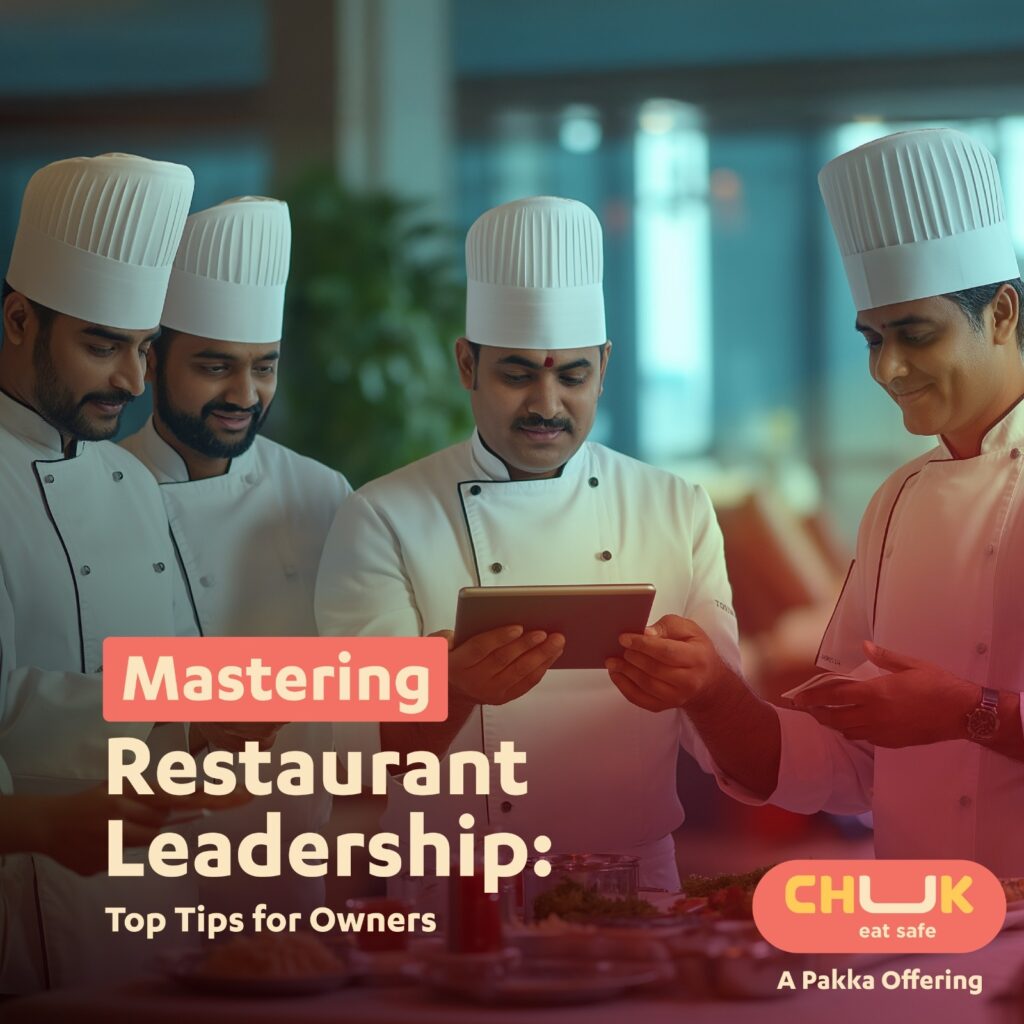
Restaurant leadership tips for owners: how to build a team that actually stays
You can have the best menu in your city, a prime location, and five-star reviews on Zomato. None of it matters if your team keeps walking out the door every few months.
The honest truth? Most restaurant owners focus on the food and the customer. Very few invest the same energy into leading the people who actually deliver both. And that gap between what you serve and who serves it is where restaurants either thrive or slowly fall apart.
India’s food service market is projected to reach USD 4.43 trillion globally by 2028. The competition is getting sharper every quarter. The restaurants that will capture that growth are not just the ones with better biryani. They are the ones with teams that show up, stay, and care.
This guide covers the leadership practices that separate restaurants with loyal, motivated crews from the ones stuck in a permanent hiring cycle.
Key Takeaways
- Staff turnover in Indian restaurants runs between 60-80% annually. Leadership, not salary, is the top reason people leave
- Creating a family-like culture is not a soft idea. It directly lowers your replacement costs and training overhead
- Investing in your team’s development pays back through better service, fewer mistakes, and stronger retention
- Transparent, authentic leadership builds trust faster than any incentive programme
- Sustainability practices, including switching to compostable disposables, give your team pride in where they work
- Conflict resolution and flexibility are skills, not personality traits. You can learn and apply both systematically
Why leadership matters more than your menu
As a restaurant owner, you set the tone for everything. The energy your staff brings to a Friday dinner rush, how they handle an angry customer, whether they bother fixing a problem or just let it slide — all of that flows directly from how you lead.
Here is what the numbers say:
- Staff turnover in the Indian food service industry runs between 60-80% annually
- Replacing a single trained employee costs INR 30,000-50,000 when you factor in hiring, onboarding, and lost productivity
- Restaurants with strong leadership cultures report 20-30% higher customer satisfaction scores
The math is straightforward. Better leadership means lower costs, happier customers, and a team that does not need to be rebuilt every quarter.
Build a culture that feels like family
This is not about being everyone’s best friend. It is about creating an environment where your staff feels like they belong to something worth showing up for.
What this looks like in practice
- Celebrate personal milestones. Birthdays, work anniversaries, a team member’s child’s first day at school. Small acknowledgements create deep loyalty
- Run team meals together. Before or after service, eating together as a team builds bonds that no corporate training session can replicate
- Share stories. Encourage your staff to talk about their backgrounds, their goals, their families. When people know each other as humans, they cover for each other during tough shifts
- Create team rituals. A pre-service huddle, a weekly debrief, a monthly outing. Consistency in connection matters more than grand gestures
Why it works
People do not quit restaurants. They quit managers who make them feel invisible. When your kitchen porter knows you remember their name, their kid’s name, and the fact that they are saving for a two-wheeler, you have built something no competitor can poach.
Invest in your team’s growth — and watch your restaurant grow with them
Most restaurant owners think development means sending someone to a cooking class. That is one small piece.
Real development looks like this:
- Cross-train across roles. Let your servers spend a day in the kitchen. Let your kitchen staff understand front-of-house. This builds empathy, flexibility, and a stronger bench when someone calls in sick
- Create a promotion pathway. Even in a 10-person team, make it clear how someone moves from helper to line cook to section lead. People stay when they can see a future
- Support outside interests. If a team member wants to take an English-speaking course or a basic accounting class, back them. The skills they build come back to your restaurant in unexpected ways
- Bring in guest trainers. A local chef, a food safety expert, a customer service coach. One session every quarter keeps your team sharp and signals that you take their growth seriously
| Development Area | Action | Impact on Your Restaurant |
|---|---|---|
| Culinary skills | Monthly recipe workshops, plating sessions | Higher food quality, more creative specials |
| Customer service | Role-play difficult scenarios, feedback loops | Better reviews, fewer complaints |
| Operations | Cross-training, shift management practice | Smoother service, lower dependency on key staff |
| Personal growth | Language courses, financial literacy support | Higher loyalty, stronger team morale |
| Food safety & hygiene | FSSAI training, safe handling refreshers | Compliance, fewer incidents, customer trust |
Lead authentically — drop the boss act
Here is something most leadership books do not tell you: your team can spot a fake in under a week.
As a restaurant owner, you are not running a corporate office. You are working alongside your team in a high-pressure, physically demanding environment. The rules are different.
What authentic leadership looks like
- Admit when you are wrong. You overordered stock. You snapped at someone during a rush. Say it out loud, apologise, and move on. Your team respects honesty far more than perfection
- Share your challenges. Rent went up. A big catering order fell through. You do not need to share every financial detail, but letting your team know the business has real pressures makes them feel included, not just employed
- Roll up your sleeves. When the dishwasher breaks down during peak service, you grab the scrubber. When someone is overwhelmed on a busy night, you jump on the line. This is not optional. This is what separates restaurant leaders from restaurant owners who just collect revenue
- Ask for input. Your tandoor cook might have a better idea for marination timing. Your server might know exactly why table 12 keeps going to the competitor across the street. Listen
Make sustainability part of your leadership identity
Sustainability is not just about doing the right thing for the planet. It is a leadership decision that impacts your brand, your team’s pride, and your bottom line.
The business case for going sustainable
- Customer preference is shifting. Over 70% of urban Indian consumers now prefer businesses that demonstrate environmental responsibility
- Regulatory compliance is tightening. Single-use plastic bans are expanding across Indian states. Getting ahead of regulation saves you from last-minute scrambles and fines
- Team pride. Staff working at a restaurant that takes a clear stand on sustainability feel better about where they work. This shows up in retention numbers
Where to start
- Switch your disposables. Replace plastic and styrofoam containers with compostable disposables made from sugarcane bagasse. Products like Chuk’s compostable plates, bowls, and delivery containers handle hot, oily, and gravy-heavy Indian food without leaking or going soggy. They break down in 90 days and keep you compliant with plastic bans
- Reduce food waste systematically. Track what gets thrown out. Adjust portions. Repurpose trimmings. Compost organic waste
- Source locally and seasonally. Lower transport emissions, fresher ingredients, better margins
- Communicate it. Put a small note on your menu. Train your delivery staff to mention that the packaging is compostable. Let customers know you are making the effort
When you lead on sustainability, you give your team something to believe in beyond just their paycheck. That matters more than most owners realise.
Set clear expectations — but stay flexible when it counts
Your team needs to know exactly what is expected of them. Arrival times, uniform standards, service protocols, hygiene practices. Ambiguity breeds frustration on both sides.
But here is the balance most owners get wrong: they treat rules as absolute and people as interchangeable.
How to get this right
- Document everything. Create a simple operations manual. Opening checklist, closing checklist, service standards, hygiene protocols. When expectations are written down, there is no confusion
- Communicate standards during onboarding. Not on day 30 when someone makes a mistake. On day 1
- Build in flexibility for life. A team member’s parent is sick. Someone needs to leave early for a college exam. A staff member is going through a tough personal phase. Accommodate where you can. Rigid attendance policies drive out your best people
- Handle underperformance privately. Never call someone out in front of the team. Pull them aside. Be specific about what needs to change. Give them a clear path to improve
The goal is not to be strict or lenient. It is to be fair and consistent. Your team will respect structure when they know it comes with genuine care.
Handle conflict with empathy, not authority
Conflict in a restaurant kitchen is inevitable. High heat, tight spaces, time pressure, and diverse personalities guarantee it.
The difference between a restaurant that implodes and one that thrives is how the owner handles disagreements.
A practical framework
- Pause before reacting. When two team members clash, do not jump in with a verdict. Let the heat cool for 10-15 minutes
- Listen to both sides separately. Give each person space to share their version without the other present
- Acknowledge emotions. Saying something as simple as “I understand why that frustrated you” goes further than any solution
- Find the root cause. Most kitchen conflicts are not personal. They are about unclear roles, overlapping responsibilities, or process gaps. Fix the system, not just the symptom
- Follow up. Check in with both parties a week later. Make sure the resolution actually stuck
When your team sees that you handle conflict fairly, they bring problems to you early instead of letting them fester into full-blown walkouts.
Celebrate every win — especially the small ones
A Zomato rating bump from 4.1 to 4.3 deserves acknowledgement. A clean FSSAI inspection deserves applause. A server who handled a difficult customer with grace deserves public recognition.
Ways to celebrate that actually work
- Call it out in the team huddle. “Ravi handled a table of 12 walk-ins on Saturday night without a single complaint. That is what great service looks like.”
- Small rewards. An extra day off, a meal voucher, a handwritten thank-you note. These cost almost nothing and build enormous goodwill
- Monthly recognition. Pick a team member of the month. Put their photo up. Let them pick the team meal for the week
- Celebrate milestones together. Hit 500 five-star reviews? Throw a small party. Use compostable plates and bowls from Chuk and make it a zero-waste celebration — your team will appreciate the consistency between what you say and what you do
- Share customer feedback directly. When a customer writes a great review mentioning a specific dish or service experience, show it to the person responsible. That feedback loop is more motivating than any bonus
Embrace diversity and build an inclusive kitchen
The best restaurant teams are built from people with different backgrounds, experiences, and perspectives. This is not a corporate talking point. It is practical business sense.
- Hire beyond your comfort zone. Give opportunities to people from different regions, age groups, and experience levels
- Accommodate dietary and cultural needs. If a team member observes Ramadan, adjust their shift schedule. If someone is vegetarian, make sure the staff meal has options for them
- Zero tolerance for discrimination. Make this explicit from day one. No exceptions
- use diverse perspectives. A team member from Kerala might suggest a fish preparation your North Indian kitchen has never tried. A young hire might understand Instagram marketing better than anyone else on your team
Diversity in your team translates directly to diversity in your menu, your service style, and your ability to connect with a wider customer base.
Stay curious and keep adapting
The restaurant industry moves fast. Delivery platforms change their algorithms. Customer preferences shift every season. New regulations appear. What worked two years ago might be dragging your margins today.
As a restaurant owner, your willingness to adapt is your strongest competitive advantage.
- Hold monthly brainstorming sessions. Ask your team: what is one thing we should start doing, stop doing, and keep doing?
- Watch your competitors. Not to copy them, but to understand what is working in your market
- Test new ideas in small batches. A new menu item as a weekend special. A different plating style. Compostable containers for delivery instead of plastic boxes — test it for a month and measure the customer response
- Invest in technology. POS systems, inventory management, online ordering integrations. The tools are more affordable and accessible than ever for Indian restaurants
Leadership is not about having all the answers. It is about staying open to new ones.
In a Nutshell
Restaurant leadership is not a title. It is a daily practice.
The owners who build restaurants that last are the ones who treat their team as their most important asset — not their menu, not their location, not their Instagram followers.
- Build a culture where people feel like they belong
- Invest in your team’s growth, not just their output
- Lead with honesty. Drop the boss persona
- Make sustainability a visible, consistent part of your operations. Switch to compostable disposables, reduce waste, and let your team take pride in working at a responsible business
- Set clear expectations, but stay human when life gets complicated
- Handle conflict with empathy. Celebrate wins loudly
- Stay curious. Keep adapting
When your team is strong, your restaurant is strong. The food, the reviews, the revenue — all of it follows from the people behind the counter. Lead them well.
Frequently Asked Questions
What is the biggest leadership mistake restaurant owners make?
Treating staff as replaceable. When restaurant owners invest no effort in relationships, communication, or development, they create a revolving door. Replacing trained staff costs INR 30,000-50,000 per person. It is cheaper and far more effective to lead well and retain.
How can I reduce staff turnover in my restaurant?
Focus on three areas: culture (make people feel they belong), growth (give them a path forward), and fairness (consistent rules applied with empathy). Restaurants that actively work on all three see turnover drop by 25-40% within six months.
How does sustainability help with restaurant leadership?
Sustainability gives your team something to believe in beyond a paycheck. When you switch to compostable disposables, reduce food waste, and source locally, your staff sees that the business stands for something. That builds pride, loyalty, and a stronger team identity.
What are some easy team-building activities for restaurant staff?
Team meals before or after service, monthly outings, pre-shift huddles, recipe contests, and cross-training days. The key is consistency. One team lunch every week matters more than one expensive annual outing.
How do I handle conflict between kitchen and front-of-house staff?
Listen to both sides separately. Acknowledge emotions before proposing solutions. Most conflicts trace back to unclear roles or process gaps, not personal grudges. Fix the system, follow up a week later, and make it clear that respectful communication is non-negotiable.
What is the best way to give feedback to restaurant employees?
Be specific, be private, and be timely. Do not wait for a monthly review. If a server handles a table well, tell them immediately. If a line cook makes a mistake, pull them aside the same shift. Always frame feedback around the behaviour, not the person.
How can compostable disposables improve my restaurant’s brand?
Customers increasingly prefer businesses that demonstrate environmental responsibility. Switching to compostable disposables from Chuk — plates, bowls, and delivery containers made from sugarcane bagasse — positions your restaurant as forward-thinking and responsible. It is also a visible, tangible change that customers notice immediately.