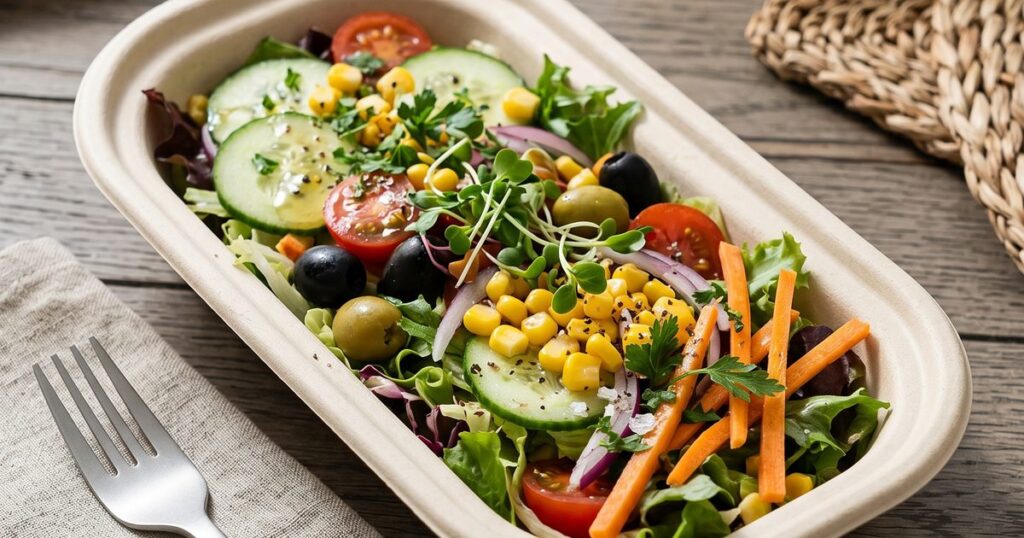
To reduce restaurant food waste, measure it for 7 days, then fix the top leaks: over-purchasing, over-prepping, and poor storage. Kitchens that execute this correctly cut waste by up to 30 percent. By controlling these variables, you prevent thousands of rupees from going into the bin—dropping those savings directly to your bottom line.
How much is food waste actually costing your restaurant?
More than you think, and the reason is compounding. When a 10 kg crate of tomatoes spoils, you don’t just lose the purchase price. You lose the labour that prepped half of them, the storage space they occupied, and the margin on the dishes they would have sold. Industry estimates put pre-plate food waste at roughly 4 to 10 percent of everything a restaurant buys. Furthermore, the UNEP Food Waste Index Report 2024 found the global food-service sector wastes over 290 million tonnes annually, accounting for 28 percent of all food wasted worldwide.
Run the math on your own numbers. If your restaurant buys ₹5 lakh of food a month and 7 percent is wasted, that’s ₹35,000 gone every month, or ₹4.2 lakh a year, with no revenue attached. For most independent restaurants, that figure is larger than a full month’s net profit. Cutting it by even 30 percent pays for a new hire or a season of marketing. This is why managing food costs without compromising quality always starts at the waste bin, not the supplier invoice.
Where does restaurant food waste actually come from?
Waste isn’t one problem, it’s four, and they need different fixes. Lumping them together is why generic advice like “buy less” rarely moves the number. Break your waste into its real sources first.
| Waste source | What it looks like | Typical cause | The fix |
| Spoilage | Produce, dairy, proteins binned before use | Over-ordering, weak FIFO, bad storage temps | Tighter par levels, first-in-first-out, sealed storage |
| Over-production | Batch-cooked food nobody ordered | Guessing demand, prepping for a rush that didn’t come | Sales-data forecasting, smaller batches, made-to-order |
| Prep waste | Excess trim, peels, offcuts | Untrained knife skills, no scrap plan | Staff training, root-to-stem menu use |
| Plate waste | Food returned uneaten | Portions too large, menu mismatches | Right-sized portions, menu engineering |
The single most useful thing here is that spoilage and over-production together usually make up the bulk of the money lost, and both are storage-and-forecasting problems, not cooking problems. That’s good news, because those are the cheapest to fix.
How do you run a food waste audit?
You can’t cut what you don’t measure. A food waste audit sounds like a consulting exercise, but for a working kitchen, it’s five steps and a cheap scale.
- Get a scale and two bins. Label one bin “spoilage/prep” and one “plate waste.” Keeping them separate tells you whether your problem is upstream (buying) or downstream (portions).
- Weigh everything for 7 days. At the end of each shift, weigh both bins and log the number with the date. Seven days captures your weekday-to-weekend swing.
- Photograph the big offenders. A quick phone photo of what’s being thrown out is worth more than a spreadsheet cell.
- Tag the top 3 items by weight. Nearly every kitchen finds that 3 or 4 ingredients account for the vast majority of the waste. Those are your entire project.
- Convert weight to rupees. Multiply wasted weight by what you paid per kg. Seeing “15 kg of paneer costing ₹9,000 binned this week” changes behaviour in a way “be careful with paneer” never will.
What are the fastest ways to cut kitchen waste?
Once the audit tells you where the money goes, these are the levers that move the number fastest:
- Tighten your par levels and order more often. Over-ordering is the number-one spoilage driver. Use your 30-day sales data to set realistic par levels. A marginally higher unit cost beats throwing away 20 percent of a crate.
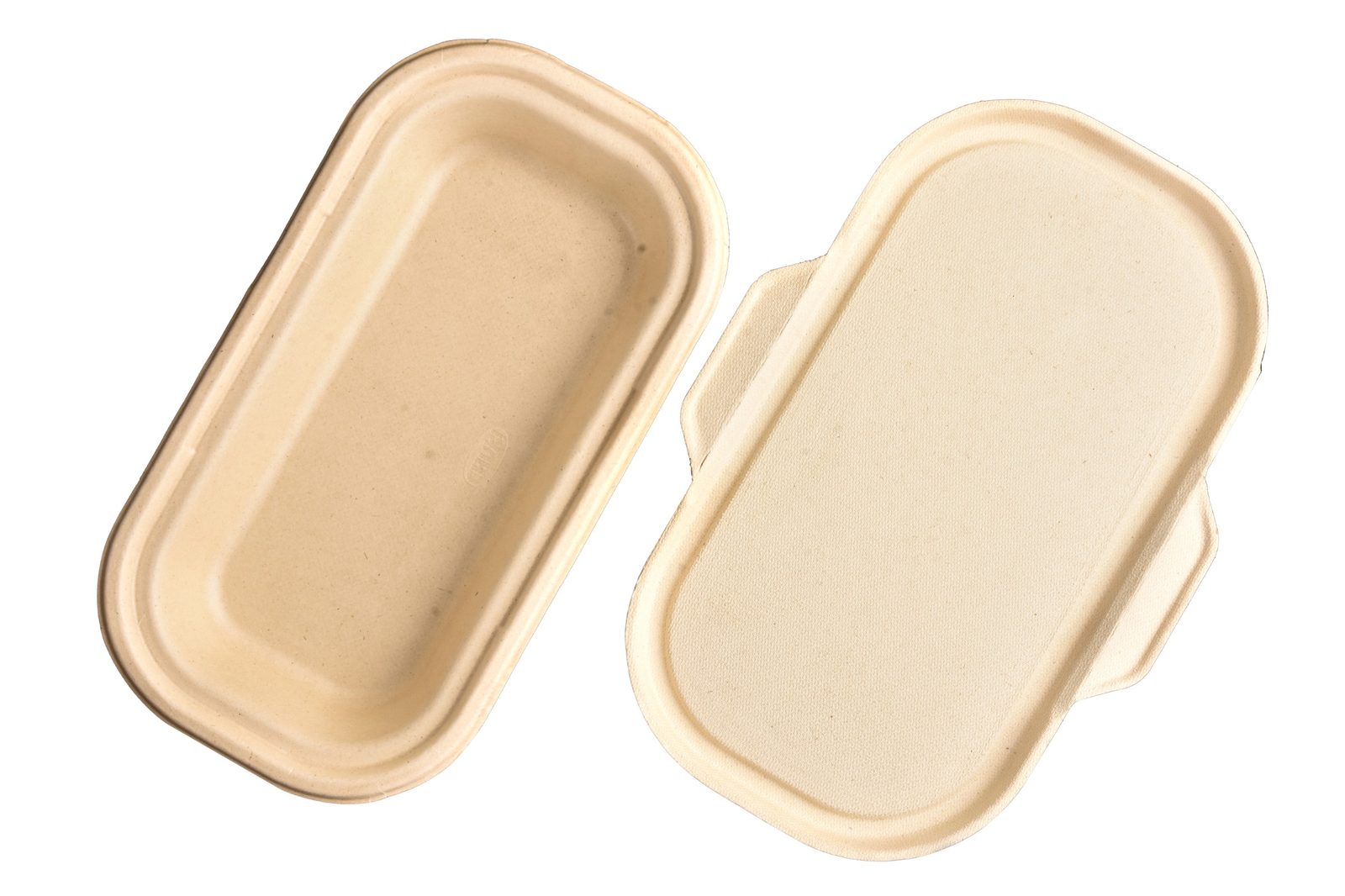
- Run strict FIFO storage. First-in, first-out works. Date every container and give prepped items a clear home with proper lids. A tidy, labelled cold room is a low-waste cold room.
- Forecast with your own data, not gut feel. Your POS already knows how many portions of each dish you sell by day. Prep to that. Over-production is demand-guessing.
- Engineer the menu and the portions. If your audit shows heavy plate waste on a dish, right-size the portion or cut the dish. Cross-utilise ingredients so nothing depends on a single low-volume item.
- Put your team on it. Show the staff the audit numbers. Make waste a line in the daily pre-shift chat, and celebrate the weeks the number drops by 10 percent or more.
How do you turn food scraps into savings (or compost)?
Some waste is unavoidable—like 5 kg of vegetable peels, bones, or coffee grounds—and the goal shifts to capturing value. Repurpose what you can inside the kitchen: vegetable trim into stock, day-old bread into croutons, bones into a house broth.
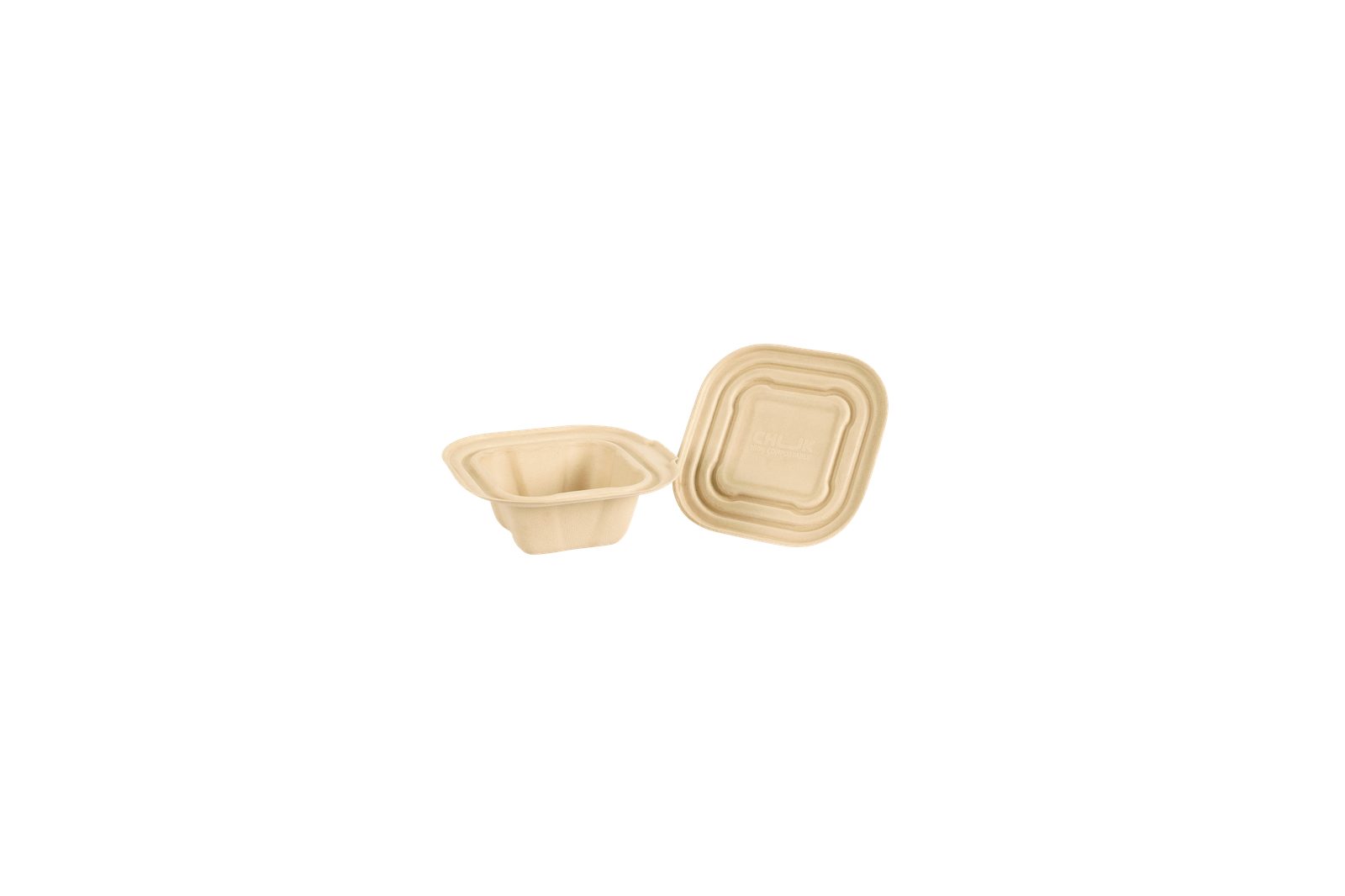
For the genuinely inedible remainder, the answer is a proper compost stream. This is where your disposables matter. If your takeaway packaging is compostable, it can be disposed of in the same organic-waste stream. Brands like Chuk make bagasse plates, bowls, and containers that break down alongside the food. It’s a small operational tidy-up that keeps your waste-disposal story clean.
In a Nutshell
Food waste is one of the few costs you can cut without cutting quality or raising prices. Measure it for 7 days, rank the leaks by rupees, and fix over-ordering first. A 30 percent reduction is a realistic target. On a typical ₹5 lakh food bill, that’s more cash than most marketing campaigns will ever bring in. Start with the scale and two bins on Monday.
Frequently Asked Questions
How much food does the average restaurant waste?
Industry estimates put pre-plate food waste at roughly 4 to 10 percent of everything purchased. The UNEP Food Waste Index Report 2024 notes the global food-service sector wastes 290 million tonnes annually, making up about 28 percent of global food waste.
What is a food waste audit and how long does it take?
It’s a short exercise where you weigh and log everything your kitchen throws out for 7 days. It produces a ranked, costed list of exactly where your money is leaking.
What causes the most food waste in a commercial kitchen?
Spoilage and over-production account for the bulk of the money lost. Poor forecasting and bad storage mean up to 20 percent of highly perishable ingredients never reach a plate.
Does reducing food waste actually improve profit?
Directly. Wasted food is money already spent. Cutting waste by 30 percent on a ₹5 lakh monthly food bill running 7 percent waste saves over ₹1.2 lakh a year—often more than a full month’s net profit.
How do compostable disposables help with restaurant waste?
Compostable packaging can be disposed of in the same organic-waste stream as your food scraps. That keeps your waste-disposal process simpler and supports a genuine sustainability claim.
Right-sized storage is where waste gets won.
A lot of spoilage happens between prep and service, in the gap where portioned food sits waiting. Sealed, stackable, compostable containers keep mise en place fresh, visible and first-in-first-out, and when they wear out they compost alongside your scraps instead of adding to the bin.
Browse CHUK dine-in & prep containers • Try a sample box before you commit • Or message us on WhatsApp for pricing.