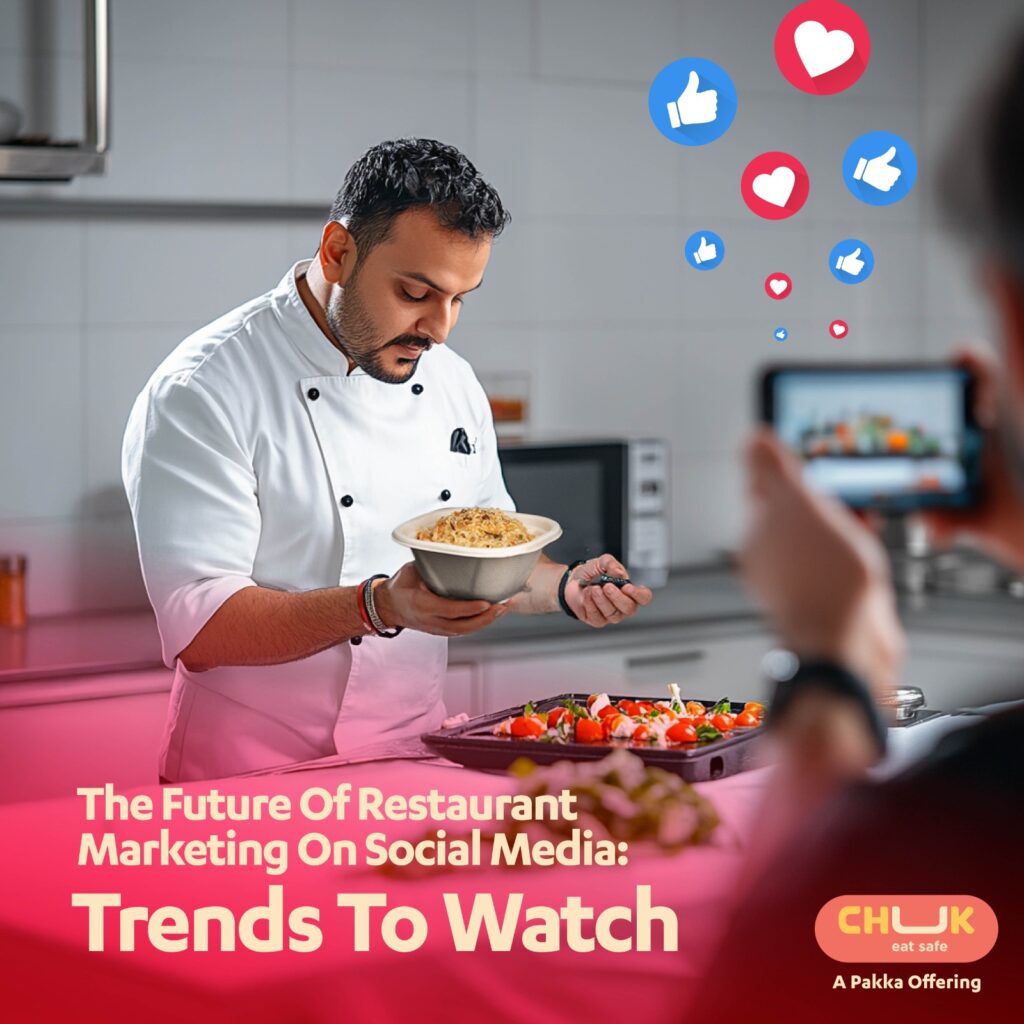
Restaurant Social Media Marketing: Trends That Actually Work
Your restaurant could have the best biryani in the city, but if your social media game is weak, the place down the street with better reels is getting the footfall. That is the honest truth about restaurant social media marketing right now.
The good news? You do not need a massive budget or a dedicated marketing team. You need the right strategies, executed consistently.
Here is what is actually working for restaurants on social media, and how you can start using these trends to fill more tables and get more delivery orders.
Why Social Media Matters More Than Ever for Restaurants
Let us put this in perspective:
- Over 70% of diners check a restaurant’s social media before visiting or ordering
- Instagram and YouTube are now discovery platforms, not just photo-sharing apps
- Local search + social proof drive more footfall than traditional advertising ever did
As a restaurant owner, your social media presence is your digital storefront. If it looks outdated, inconsistent, or lifeless, customers scroll past.
Top Restaurant Social Media Marketing Trends to Watch
1. Short-Form Video Is Non-Negotiable
Reels, YouTube Shorts, and short-form video content consistently outperform static posts in reach and engagement. Restaurants that lean into this format build stronger connections with their audience.
What works:
- Behind-the-scenes kitchen clips (plating, cooking, prep)
- Quick transitions showing a dish from raw ingredients to the final serve
- “Day in the life” content from your chef or team
- Before-and-after clips showing your switch from plastic to compostable disposables
Pro tip: Hook viewers in the first 2 seconds. Open with something visually striking, like a sizzling tawa or a perfectly layered dessert being served on a clean compostable plate.
2. User-Generated Content Builds Trust Faster Than Ads
Here is what they don’t tell you about restaurant marketing: the most effective content is not yours. It is your customers’ content.
User-generated content (UGC) carries more trust than branded posts because it comes from real people having real experiences.
How to encourage UGC:
- Create a branded hashtag and display it on your tables, packaging, and receipts
- Ask customers to tag you when they post their meal photos
- Feature their best posts on your page with a shoutout
- Offer small incentives like a discount on their next order for tagging you
When guests share photos of meals served on your compostable plates and bowls, that is organic social proof working for you around the clock.
3. Sustainability Storytelling Sets You Apart
Sustainability is no longer a niche topic. It is a competitive advantage.
Customers, especially younger diners, actively choose restaurants that demonstrate environmental responsibility. And social media is the perfect platform to show, not just tell.
Content ideas that work:
- Share your journey of switching from plastic to compostable disposables
- Post about how your packaging breaks down naturally versus sitting in a landfill for centuries
- Show your compostable plates, bowls, and containers in action during service
- Highlight the numbers: how much plastic waste your restaurant has avoided
| Sustainability Content Type | Best Platform | Engagement Level |
|---|---|---|
| Before/after packaging switch | Instagram Reels | High |
| Behind-the-scenes composting | YouTube Shorts | High |
| Infographic on waste reduction | LinkedIn, Facebook | Medium |
| Customer testimonial on eco-dining | Instagram Stories | High |
| Team talking about why sustainability matters | YouTube, Reels | Medium-High |
The key insight: You are not preaching about saving the planet. You are showing customers that you run a smarter, more responsible business. That is what resonates.
4. Influencer Partnerships With Eco-Conscious Creators
Influencer marketing continues to deliver strong results for restaurants. But the approach has evolved. Mega-influencers with millions of followers are not always the best fit.
What works better for restaurants:
- Micro-influencers (5K-50K followers) in your city who have genuine engagement
- Food bloggers who review local restaurants and street food
- Sustainability advocates whose audience aligns with your values
- Local community pages that feature neighborhood dining spots
When an influencer shares their experience dining at your restaurant and highlights your use of compostable tableware, it reaches an audience that already cares about these choices.
Practical steps:
- Identify 5-10 local food influencers in your city
- Invite them for a complimentary meal
- Brief them on your sustainability story (the switch to compostable disposables, your waste reduction goals)
- Let them create content authentically, do not script it
5. Interactive Content Drives Engagement
Static posts get likes. Interactive content gets conversations.
Formats to try:
- Instagram polls: “Which dish should we add to the menu next?”
- Quizzes in Stories: “How eco-friendly is your dining habit?”
- This or That: “Butter chicken or paneer tikka for Friday night?”
- Ask Me Anything sessions with your chef or owner
- Contests: “Share your best meal photo from our restaurant and win a free meal”
Interactive content does two things. It increases your engagement rate (which makes the algorithm show your content to more people), and it gives you direct insight into what your customers want.
6. Brand Storytelling Creates Emotional Connection
People do not connect with businesses. They connect with stories.
As a restaurant owner, you have a story worth telling:
- Why did you start this restaurant?
- What drove you to switch to compostable disposables?
- What is your team’s relationship with food and hospitality?
- How do you source your ingredients?
Use these formats for storytelling:
- Long-form Instagram captions with a personal narrative
- A short video series documenting your sustainability journey
- Behind-the-scenes content that shows the human side of your operations
- Customer stories about memorable dining experiences at your restaurant
Transparency builds trust. When you share that you chose compostable plates and containers from Chuk because you wanted your packaging to match your values, that resonates with customers far more than any promotional offer.
7. Personalized Marketing Through Social Platforms
Social media platforms now offer powerful targeting tools that let you reach exactly the right audience.
Strategies to implement:
- Retargeting ads to customers who visited your page but did not order
- Location-based targeting to reach diners within a 5-10 km radius
- Lookalike audiences based on your best existing customers
- Custom offers for repeat customers through direct messages or Stories
- Birthday and anniversary offers pushed through social ads
This is not about blasting generic promotions. It is about delivering the right message to the right person at the right time. A customer who checked your menu but did not order gets a different ad than someone who orders every weekend.
8. Community Building Over Broadcasting
The restaurants that win on social media are not just posting content. They are building communities.
How to shift from broadcasting to community building:
- Respond to every comment and DM within a few hours
- Create a sense of belonging with inside jokes, recurring themes, or signature content series
- Highlight your regular customers and loyal patrons
- Partner with local events, charities, or community initiatives and share that involvement
- Host small community events and document them on social media
When customers feel like they are part of your restaurant’s story, they become advocates. They recommend you to friends, defend you in comments, and keep coming back.
How to Get Started: A Simple Action Plan
Feeling overwhelmed? You do not need to do everything at once. Here is a practical starting point:
Week 1-2: Foundation
– Audit your current social media profiles (bio, highlights, contact info)
– Set up a content calendar with 3-4 posts per week
– Start filming short behind-the-scenes videos
Week 3-4: Engagement
– Launch one interactive content piece per week (poll, quiz, contest)
– Reach out to 3 local food influencers
– Share your first sustainability story post
Month 2 onwards: Growth
– Analyze what content performs best and double down
– Start running targeted social media ads
– Build a UGC library by encouraging and reposting customer content
In a Nutshell
Restaurant social media marketing is not about chasing every trend. It is about consistently showing up with content that reflects who you are as a business.
The strategies that deliver results right now are:
- Short-form video for reach and discovery
- User-generated content for trust and social proof
- Sustainability storytelling as a genuine differentiator
- Micro-influencer partnerships for authentic local reach
- Interactive content for engagement and customer insight
- Brand storytelling for emotional connection
- Personalized marketing for conversion
- Community building for long-term loyalty
As a restaurant owner, you already have the most shareable product in the world: food. Pair that with a genuine commitment to better practices, like switching to compostable disposables, and you have a social media story that practically tells itself.
Frequently Asked Questions
Which social media platform is best for restaurant marketing?
Instagram and YouTube are the top performers for restaurant marketing right now. Instagram works well for visual content, Stories, and Reels, while YouTube Shorts captures a different audience segment. Facebook still matters for local community engagement and older demographics. The best approach is to focus on one or two platforms and do them well rather than spreading yourself thin across five.
How often should a restaurant post on social media?
Consistency matters more than frequency. Three to four quality posts per week is a strong starting point. Mix up your content between Reels, static posts, Stories, and interactive content. Posting daily with low-quality content hurts you more than posting three times a week with content that genuinely engages your audience.
Does sustainability content actually drive more customers?
Yes, and the data backs it up. Studies consistently show that a significant majority of consumers prefer businesses that demonstrate environmental responsibility. For restaurants, showcasing your switch to compostable disposables, your waste reduction efforts, or your sourcing practices builds trust and attracts customers who are willing to pay a premium for responsible dining.
How can a small restaurant afford influencer marketing?
You do not need celebrity influencers. Micro-influencers with 5,000 to 50,000 followers in your city often deliver better results at a fraction of the cost. Many local food bloggers will review your restaurant in exchange for a complimentary meal. The key is authenticity, not follower count. One genuine review from a trusted local voice can drive more footfall than a paid post from a national influencer.
What type of content gets the most engagement for restaurants?
Short-form video consistently outperforms all other formats. Behind-the-scenes kitchen clips, plating videos, and transformation reels (raw ingredients to final dish) tend to perform especially well. After video, user-generated content and interactive polls or quizzes get the highest engagement rates.
How do I measure the success of my restaurant’s social media marketing?
Track these key metrics: engagement rate (likes, comments, shares, saves divided by reach), follower growth rate, website clicks or direction requests from your profile, DM inquiries, and ultimately, footfall or delivery orders that can be traced back to social media. Most platforms offer free analytics dashboards that make this straightforward.
Can social media marketing help with food delivery orders specifically?
Absolutely. Social media is one of the strongest drivers of delivery orders. Posting appetizing food photos and videos, sharing customer reviews, and running targeted ads with delivery offers directly impacts online orders. When your delivery packaging also looks good, using clean compostable containers instead of flimsy plastic, customers are more likely to photograph and share their order, creating a cycle of organic marketing.