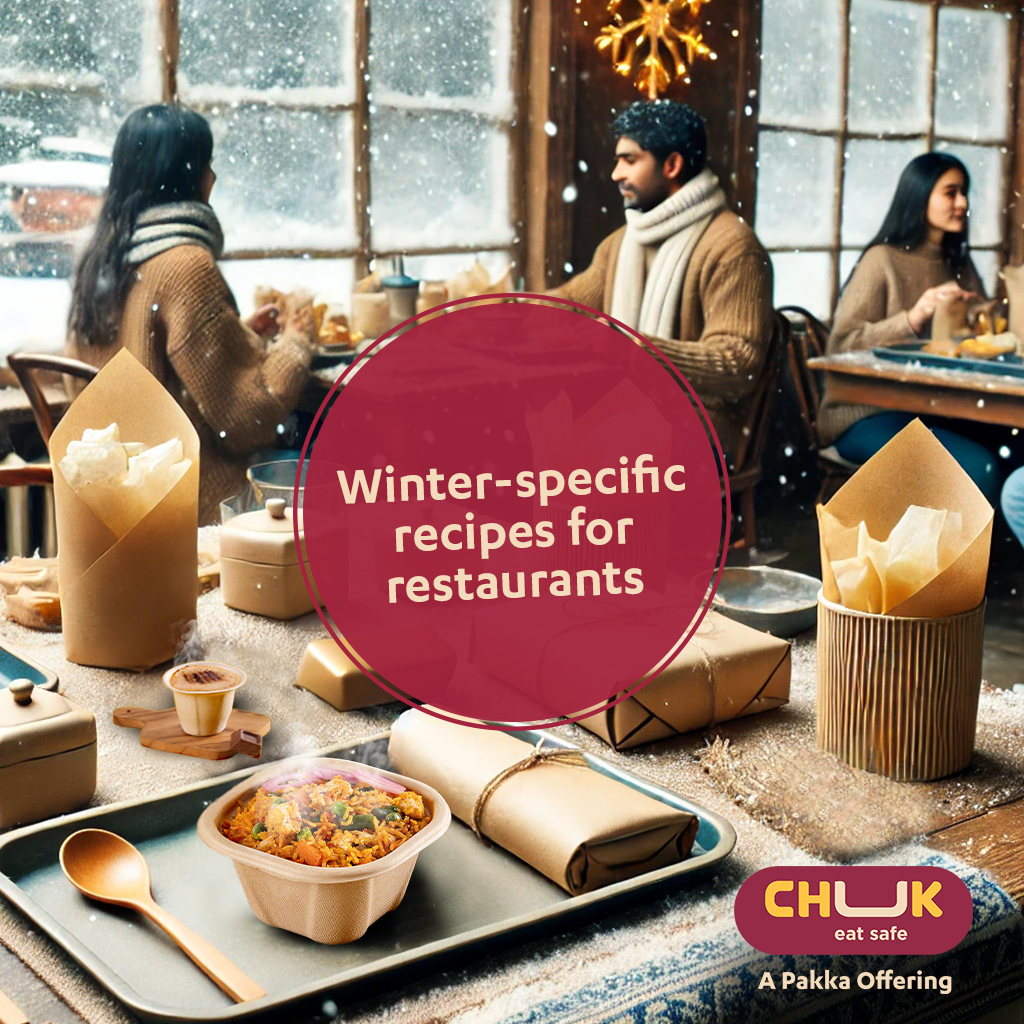
Winter-specific recipes for Indian restaurants: seasonal menu ideas that sell
The temperature drops. Customers start craving warm, spiced, soul-filling food. And the restaurants that respond fastest to that shift are the ones that see their order volumes climb through December, January, and February.
Here is the honest truth. Most Indian restaurants run the same menu year-round. Same dal. Same biryani. Same cold coffee that nobody orders in January. Meanwhile, street food vendors selling hot samosas and masala chai outside your door are pulling in crowds because they read the season right.
As a restaurant owner, winter is your highest-margin opportunity. Seasonal ingredients cost less. Comfort food carries higher perceived value. Customers order more per sitting because cold weather drives appetite. The only question is whether your menu reflects that.
This guide covers 7 categories of winter dishes you can add to your menu right now, along with practical serving tips and the right packaging choices to keep everything hot, fresh, and presentable during delivery.
Key Takeaways
- Winter menus built around seasonal ingredients cut food costs by 15-25% compared to off-season sourcing
- Comfort food categories like soups, curries, and grilled dishes carry higher perceived value and better margins
- Hot beverages are the easiest upsell in winter, adding INR 40-80 per order with minimal kitchen effort
- Seasonal fruit-based dishes add freshness and colour, balancing heavy winter menus
- Compostable disposables with insulation properties keep food warm during delivery without trapping condensation
- A focused winter menu of 8-12 seasonal additions outperforms a bloated all-season menu every time
Why a dedicated winter menu matters for your restaurant
Running the same menu in December that you ran in June is leaving money on the table. Here is what changes in winter:
- Ingredient costs drop. Carrots, mustard greens, sweet potatoes, spinach, citrus fruits, and guavas flood the market at 30-50% lower prices than off-season
- Average order value climbs. Customers order heavier meals, add desserts, and pair hot drinks with their food
- Delivery volumes spike. Nobody wants to step out in the cold. Your delivery orders go up, but only if your menu signals warmth and comfort
- Competition thins out. Most restaurants do not bother updating their menu seasonally. You stand out simply by offering what your customers are actively craving
The business case in numbers
| Metric | Without Winter Menu | With Dedicated Winter Menu |
|---|---|---|
| Average order value | INR 250-350 | INR 320-450 |
| Repeat orders (Dec-Feb) | 1.2x baseline | 1.6-2x baseline |
| Ingredient cost % | 32-38% | 26-32% (seasonal sourcing) |
| Beverage upsell rate | 15-20% | 40-55% |
| Delivery order share | 35-40% | 50-60% |
The numbers speak for themselves. A winter menu is not a creative exercise. It is a revenue strategy.
1. Hot soups and stews: your highest-margin winter starter
A bowl of hot soup is the fastest way to warm up a customer and set the tone for the rest of the meal. Soups are also one of the most cost-effective items you can add to your menu. Ingredient costs stay low, preparation scales easily, and perceived value is high.
Recipes to consider
- Mulligatawny soup. A South Indian classic made with lentils, mixed vegetables, and a hint of coconut milk. Mildly spiced, hearty, and filling. Works as a starter or a light meal on its own
- Kadhi pakora. Yogurt-based stew loaded with crispy pakoras. Serve it with steaming rice for a complete comfort meal that hits every winter craving
- Tomato rasam. Light, tangy, and loaded with black pepper and cumin. Perfect as a warming appetiser or a side with rice-based meals
- Sweet corn soup (Indo-Chinese style). High demand in QSR and fast casual formats. Quick to prepare, easy to customise with veg or chicken options
Serving and packaging tips
| Dish | Ideal Serve Temp | Recommended Packaging | Portion Size |
|---|---|---|---|
| Mulligatawny soup | 70-75 C | Chuk round bowl with lid | 250 ml (starter) / 400 ml (meal) |
| Kadhi pakora | 65-70 C | Chuk deep container with lid | 350-400 ml |
| Tomato rasam | 75-80 C | Chuk round bowl with lid | 200 ml (side) |
| Sweet corn soup | 70-75 C | Chuk round bowl with lid | 250 ml |
When you serve soups for delivery, packaging matters more than you think. Compostable disposables from Chuk hold heat well and do not trap condensation the way plastic lids do. That means your soup arrives hot without the soggy, dripping mess that turns a five-star dish into a one-star review.
2. Hearty curries and dals: the backbone of any winter menu
Winter is when your richest, most indulgent curries earn their place on the menu. Customers want thick gravies, slow-cooked dals, and bread to mop it all up with.
Recipes to consider
- Sarson da saag with makki di roti. The definitive Punjabi winter dish. Mustard greens slow-cooked with spices, served with cornmeal flatbreads and a generous dollop of white butter. Seasonal availability of sarson makes this extremely cost-effective from November through February
- Dal makhani. Slow-cooked black lentils finished with cream and butter. This dish has universal appeal across vegetarian and non-vegetarian customers alike
- Nihari. A slow-cooked meat stew popular across North India during winter. Rich, spiced, and deeply flavourful. High perceived value means you can price it at a premium
- Palak paneer. Winter spinach is sweeter, more tender, and cheaper than any other time of year. Your palak paneer in January tastes noticeably better than your palak paneer in July
Why this works for you
- Curries and dals batch-cook efficiently, reducing per-portion labour cost
- They pair with multiple accompaniments (rice, roti, naan), increasing combo meal options
- Vegetarian and non-vegetarian versions cover your full customer base
- Seasonal greens (sarson, palak, methi) at winter prices improve your food cost percentage significantly
3. Grilled and roasted dishes: smoky flavours customers crave
There is something about cold weather that makes people reach for smoky, charred, roasted food. If you have a tandoor or a grill setup, winter is when these items earn the most.
Recipes to consider
- Tandoori chicken. Marinated in yogurt, spices, and lemon, then cooked in a tandoor. The smoky flavour is irresistible in winter, and the dish photographs well for delivery app listings
- Aloo tikka. Spiced, crispy potato patties served with mint and tamarind chutneys. Low cost, high demand, and easy to prepare in bulk
- Paneer tikka. Cubed paneer marinated and grilled until charred at the edges. A top-selling vegetarian appetiser during the winter months
- Seekh kebab. Minced meat kebabs with warming spices like cinnamon and clove. Perfect for winter menus in North Indian and Mughlai restaurants
Serving and packaging tips
For grilled items heading out on delivery, your packaging needs to do two things: retain heat and let steam escape so the food stays crispy rather than turning soggy.
- Use Chuk clamshell containers for tikkas and kebabs. The vented design lets moisture escape while keeping the food warm
- Line containers with butter paper for grilled items that release oil. This keeps the presentation clean on arrival
- Pack chutneys and dips separately in small compostable sauce cups to avoid soaking the main dish
4. Spicy street-food-style snacks: your delivery volume driver
Winter street food culture in India is massive. Customers want those flavours, but they also want the convenience of ordering from their couch. This is where your menu can bridge the gap.
Recipes to consider
- Pav bhaji. Rich, spiced vegetable mash served with buttered pav. Mumbai’s favourite street food translates perfectly to a restaurant winter menu
- Samosas. Golden, crispy, stuffed with spiced potatoes or keema. Pair with tamarind and green chutneys. High volume, low cost, strong repeat orders
- Chole tikki chaat. Crispy aloo tikkis topped with chole, yogurt, and chutneys. A complete snack plate that works as a meal for many customers
- Bread pakoras. Stuffed bread slices dipped in gram flour batter and deep-fried. Classic winter comfort that is easy to add to any menu
Why snacks matter for your bottom line
- Snack items have the lowest food cost percentage on your menu (typically 18-25%)
- They drive impulse orders on delivery platforms, especially between 4-7 PM
- They work as add-ons to main meal orders, increasing average order value
- Winter snack combos (samosa + chai, pav bhaji + lassi) encourage bundling
5. Winter desserts: end the meal on a warm, sweet note
Winter desserts are not optional. They are the finishing touch that turns a good meal into a memorable one. Seasonal ingredients like carrots, jaggery, and dried fruits are at their cheapest and freshest right now.
Recipes to consider
- Gajar ka halwa. Grated winter carrots slow-cooked in milk, ghee, and sugar, topped with dry fruits. The undisputed king of Indian winter desserts. Use Desi red carrots for better colour and flavour
- Moong dal halwa. Rich, ghee-laden, and deeply satisfying. A premium dessert that commands premium pricing
- Gulab jamun (served warm). Soft, syrup-soaked dough balls served warm with a hint of saffron or cardamom. The winter twist of serving them hot instead of room temperature makes all the difference
- Gur (jaggery) based sweets. Gur ki gajak, til ladoo, and gur pare. These traditional winter sweets are low-cost to prepare and carry strong nostalgic appeal
Packaging desserts for delivery
| Dessert | Packaging Challenge | Solution |
|---|---|---|
| Gajar ka halwa | Needs to stay warm, ghee separates if cold | Chuk round bowl with lid, pack just before dispatch |
| Gulab jamun | Syrup leaks in transit | Chuk deep leak-proof container |
| Gur sweets | Moisture makes them sticky | Chuk dry snack box with butter paper lining |
| Moong dal halwa | Dense, needs insulated container | Chuk round bowl, double-walled where available |
Using compostable disposables for dessert packaging does double duty. Your food stays fresh, and your brand signals that you care about more than just the meal. Customers notice that.
6. Hot beverages: the easiest winter upsell
This is the lowest-effort, highest-return addition to your winter menu. Hot beverages cost almost nothing to prepare, carry margins of 60-80%, and customers actively seek them out in cold weather.
Recipes to consider
- Masala chai. Brewed with ginger, cardamom, cinnamon, and strong black tea. Serve it all day. In winter, chai outsells every other beverage on your menu
- Kesar badam milk. Warm milk infused with saffron and almonds. Positioned as a premium drink, it works well in fine dining and casual formats alike
- Jaggery coffee. A South Indian twist where jaggery replaces refined sugar. Earthy, warm, and distinctive
- Hot chocolate with a desi twist. Add a pinch of cinnamon and cardamom to your hot chocolate. It differentiates you from every other hot chocolate on the market
Making beverages work for delivery
Hot beverages in delivery need spill-proof, insulated packaging. Chuk compostable cups with secure sip lids are designed exactly for this. They hold heat longer than standard paper cups, and the lid seal prevents spills during transit.
Pro tip. Create a winter beverage combo on delivery apps. Pair a hot drink with any snack order at a small discount. This drives average order value up by INR 50-80 without adding kitchen complexity.
7. Seasonal fruit-based dishes: freshness to balance the heavy
A winter menu loaded with curries, fried snacks, and halwas needs balance. Seasonal fruits give you that. Oranges, pomegranates, guavas, and apples are abundant, cheap, and full of flavour right now.
Recipes to consider
- Citrus chaat. Orange segments, pomegranate arils, and a sprinkle of chaat masala and black salt. Light, refreshing, and visually striking
- Apple kheer. A twist on rice pudding using grated apples, milk, and cardamom. Light yet indulgent
- Guava smoothie bowl. Blended guava topped with nuts, seeds, and honey. A health-conscious option that appeals to a growing segment of your customer base
- Amla (Indian gooseberry) murabba. A traditional winter preserve that works as a side dish or a standalone offering. Strong nostalgic and health appeal
Why seasonal fruits work
- They cost 30-50% less than off-season alternatives
- They add colour and visual appeal to your menu photos on delivery apps
- Health-conscious customers look for lighter options even in winter
- Fruit-based items round out a meal without adding heavy prep load to your kitchen
Putting your winter menu together: a practical framework
You do not need to add all 15+ dishes at once. Start with a focused winter addition of 8-12 items across these categories:
| Category | Number of Items | Priority |
|---|---|---|
| Soups and stews | 2-3 | High (low cost, high demand) |
| Curries and dals | 2-3 | High (anchor dishes) |
| Grilled and roasted | 1-2 | Medium (depends on kitchen setup) |
| Street-food snacks | 2-3 | High (delivery volume driver) |
| Winter desserts | 1-2 | High (upsell, high margin) |
| Hot beverages | 2-3 | High (easiest add, highest margin) |
| Fruit-based dishes | 1-2 | Medium (balance and variety) |
Steps to launch your winter menu
- Audit your current ingredients. Identify what you already buy that is seasonal. Build dishes around those first
- Test with 4-5 dishes first. Track which items sell, which get reordered, and which sit idle after a week
- Update your delivery app listings. New photos, updated descriptions that mention winter, and seasonal tags boost visibility on Swiggy and Zomato
- Train your kitchen team. Make sure prep standards and portion sizes are locked in before you go live
- Choose the right packaging. Compostable disposables from Chuk are designed for hot food delivery. They insulate, they do not leak, and they look clean on arrival. That last part matters more than most restaurant owners realise
In a Nutshell
Winter is not just another season on the calendar. For restaurant owners across India, it is a three-month window where the right menu decisions translate directly into higher margins, stronger repeat orders, and better customer reviews.
The formula is straightforward:
- Source seasonal ingredients at lower costs
- Build a focused winter menu around comfort food categories
- Price for perceived value, because customers willingly pay more for warm, indulgent food in cold weather
- Package for delivery with compostable disposables that keep food hot, fresh, and presentable
- Promote seasonal additions on delivery platforms to capture the surge in at-home ordering
You do not need a massive overhaul. You need 8-12 well-chosen seasonal dishes, the right packaging, and consistent execution. The restaurants that get this right every winter are the ones that build year-round customer loyalty.
Frequently Asked Questions
How many seasonal dishes should I add to my winter menu?
Start with 8-12 items spread across soups, curries, snacks, desserts, and beverages. A focused addition outperforms a bloated menu. Test with 4-5 dishes first, track sales for a week, then expand based on what your customers actually order.
Which winter ingredients give the best cost savings for restaurants?
Mustard greens (sarson), winter carrots (red variety), spinach, sweet potatoes, citrus fruits, and guavas are 30-50% cheaper during winter months. Building your seasonal menu around these ingredients directly improves your food cost percentage without compromising on taste or quality.
How do I keep hot food warm during winter delivery without plastic packaging?
Compostable disposables from Chuk are designed for hot food. They insulate better than standard plastic containers, prevent condensation buildup, and maintain food temperature longer. Use containers with secure lids and pack items just before dispatch for best results.
What is the best upsell strategy for restaurants in winter?
Hot beverages are the single easiest upsell. A masala chai or kesar badam milk costs you INR 10-15 to prepare and sells for INR 50-80. Create combo offers pairing a hot drink with snacks or meals on your delivery platform. This can increase your average order value by INR 50-80 per order.
Should I remove summer menu items during winter?
You do not need to remove everything. Keep your bestsellers that sell year-round (biryani, butter chicken, paneer dishes). Replace low-performing items with seasonal options. Cold beverages, ice cream-based desserts, and chilled salads can be temporarily removed or deprioritised on your menu to make space for winter additions.
How do I promote my winter menu on Swiggy and Zomato?
Update your listing photos with warm, inviting images of your seasonal dishes. Add seasonal keywords like “winter special” or “seasonal” to dish names and descriptions. Use the promoted listing feature during peak cold-weather weeks (late December through January) when delivery order volumes are highest. Many platforms also offer seasonal collection banners that you can opt into.
What packaging works best for winter soups and beverages on delivery?
Round bowls with secure, well-fitting lids work best for soups. For hot beverages, use compostable cups with sip lids that prevent spills. Chuk offers both formats in compostable materials that hold heat effectively. Avoid flat containers for liquids and always check that lids seal properly before dispatching orders.
Related reading
- How to Buy Compostable Packaging in Bulk for Your Restaurant
- Food Delivery Platforms and Packaging: What Restaurants Need
- Navratri 2026: 9 Colours, 9 Bhog and Vrat Food List
Packaging that holds up is the cheapest kind
Whatever the format, the packaging is the last thing your customer touches. CHUK’s compostable bagasse range covers plates, bowls, containers and cutlery, and keeps you clear of single-use plastic rules.
Browse the CHUK range | Order a sample box | Get pricing on WhatsApp