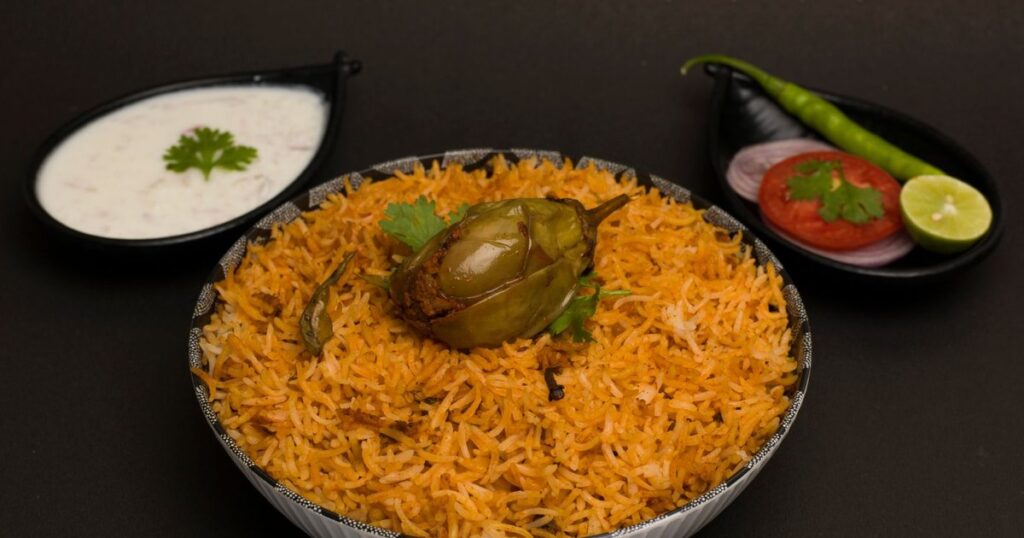
Winning Eid al-Adha catering comes down to four things: a tight menu built around biryani and kebabs, portions and prices you have actually costed, a bulk-cooking plan that keeps food safe, and packaging that survives the trip. Get those right and a single Eid weekend can outearn a normal month. Get them wrong and you are refunding cold biryani at midnight.
Quick note on timing before we go further: Eid al-Adha 2026 (Bakrid) fell on May 28 across most of India, with Jammu and Kashmir observing it on May 27. So if you are reading this in June, this year’s rush has already passed. Treat this as your post-mortem and your playbook to lock in for next year, because the same menu logic powers any large catering order, from a wedding walima to a corporate Eid lunch. Bakrid follows the lunar calendar and moves roughly 10 to 11 days earlier each year, which puts Eid al-Adha 2027 around mid-May. Start prepping six weeks out and you will never get caught flat-footed again.
When is Eid al-Adha 2026, and why does the date matter for caterers?
Eid al-Adha 2026 was May 28 (May 27 in J&K). The exact date is confirmed only when the moon is sighted, which is precisely why caterers get burned: you cannot hardcode the date a year in advance, and a one-day shift wrecks a procurement plan built around mutton, which is the single most date-sensitive, price-volatile ingredient on the menu.
Here is the practical takeaway for next year. Lock your meat supplier two to three weeks before the expected date, not the week of, because Bakrid is the single biggest demand spike for goat and mutton in the Indian calendar and prices climb hard in the final days. Confirm the date through a reliable source as the moon sighting approaches, then send order confirmations to your clients only after that. Building your timeline backwards from a confirmed date, instead of a guessed one, is the difference between a smooth Eid and a chaotic one. If you handle multiple festivals across the year, the same discipline applies to all of them, and our breakdown of how to stand out as a caterer and win more clients covers the booking side in more depth.
What should be on an Eid al-Adha catering menu?
A strong Eid al-Adha catering menu is built in layers: one showstopper main, two or three supporting mains, a couple of kebabs and starters, breads and rice, and at least one iconic dessert. You do not need forty dishes. You need eight to twelve dishes that you can execute flawlessly at volume.
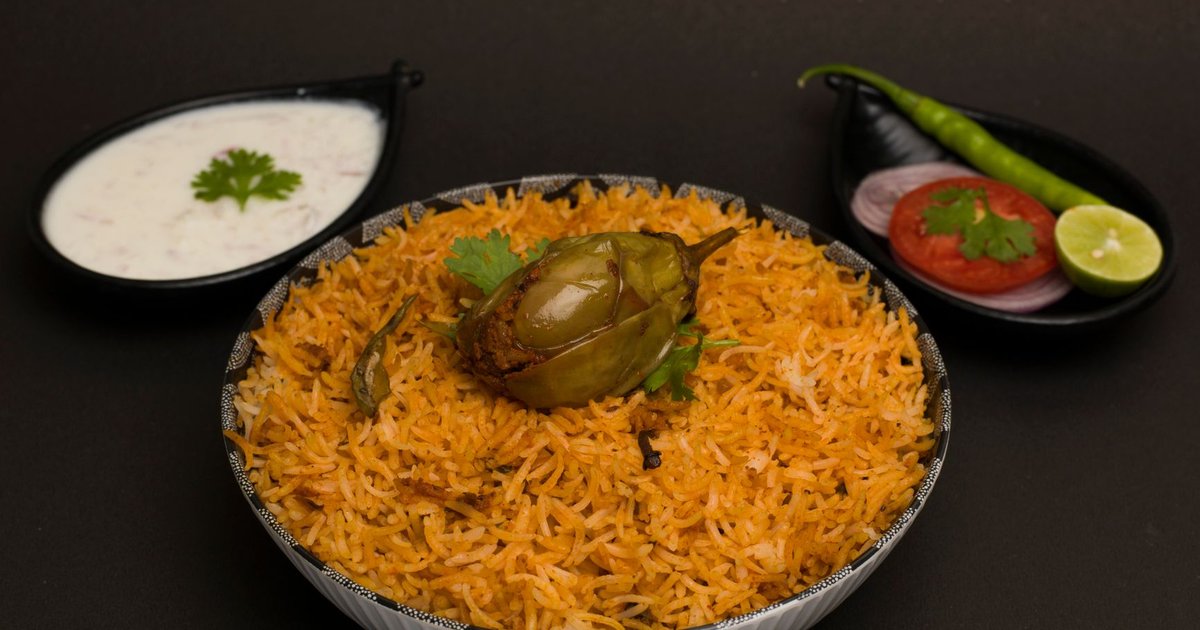
Biryani is non-negotiable as the anchor. For Eid al-Adha specifically, mutton or goat biryani carries the most cultural weight, but always offer a chicken version too, because it is cheaper, faster, and broadens the order. Around that centrepiece, build out the supporting cast.
| Course | Crowd-pleasers | Why it earns its place |
|---|---|---|
| Anchor main | Mutton/goat biryani, chicken biryani | Highest perceived value, defines the order |
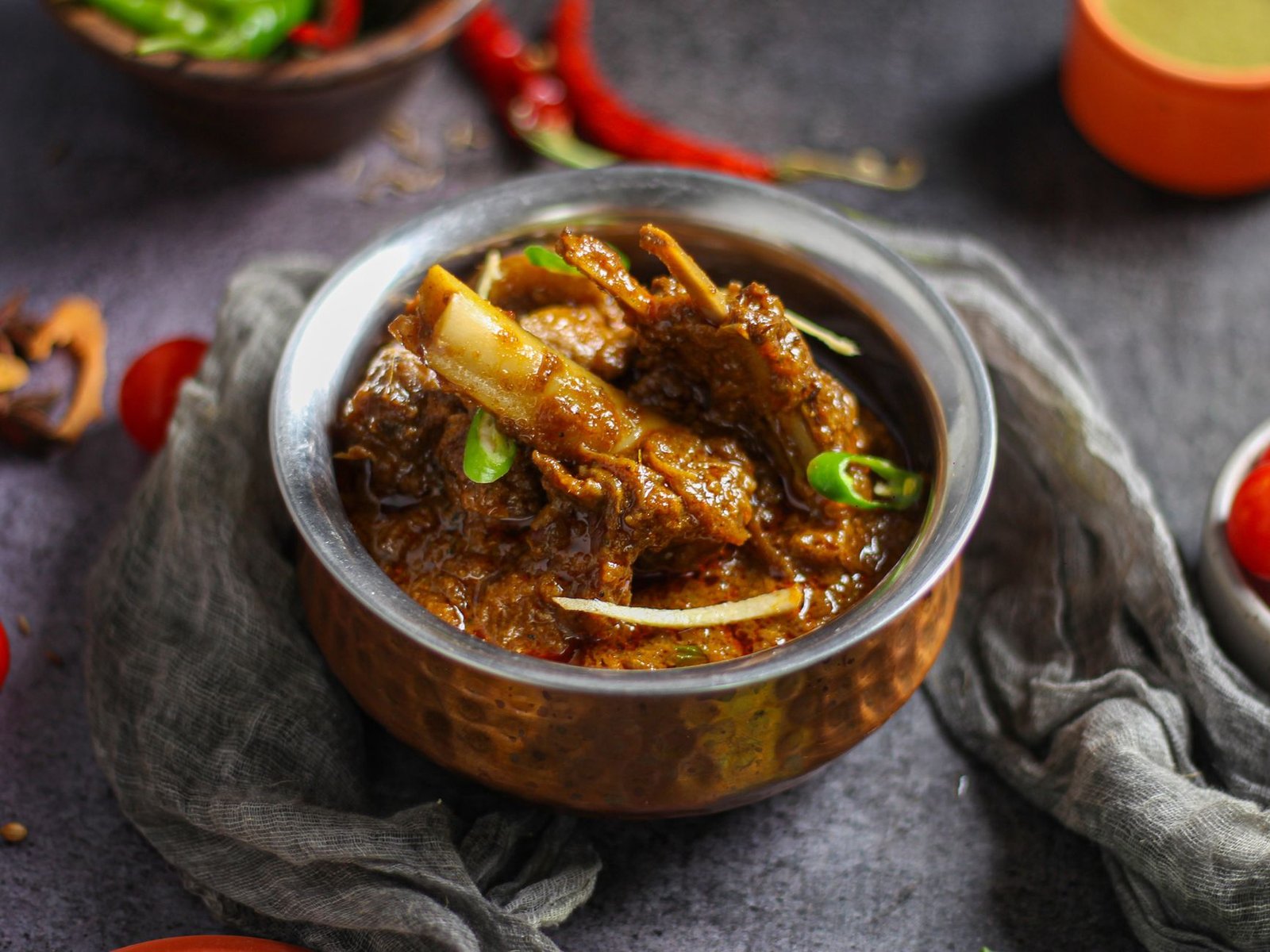
| Supporting mains | Mutton korma, chicken curry, nihari, haleem | Adds variety, uses the same protein prep |
| Kebabs & starters | Seekh kebab, shami kebab, chicken tikka, galouti | High margin, travels well, easy to scale |
| Breads & rice | Sheermal, roomali roti, naan, plain rice | Cheap filler that lifts perceived portion size |
| Desserts | Sheer khurma, kulfi, phirni, shahi tukda | The emotional close; sheer khurma is the Eid signature |
| Sides | Raita, salan, onion-lemon salad, mirchi ka salan | Tiny cost, big completeness signal |
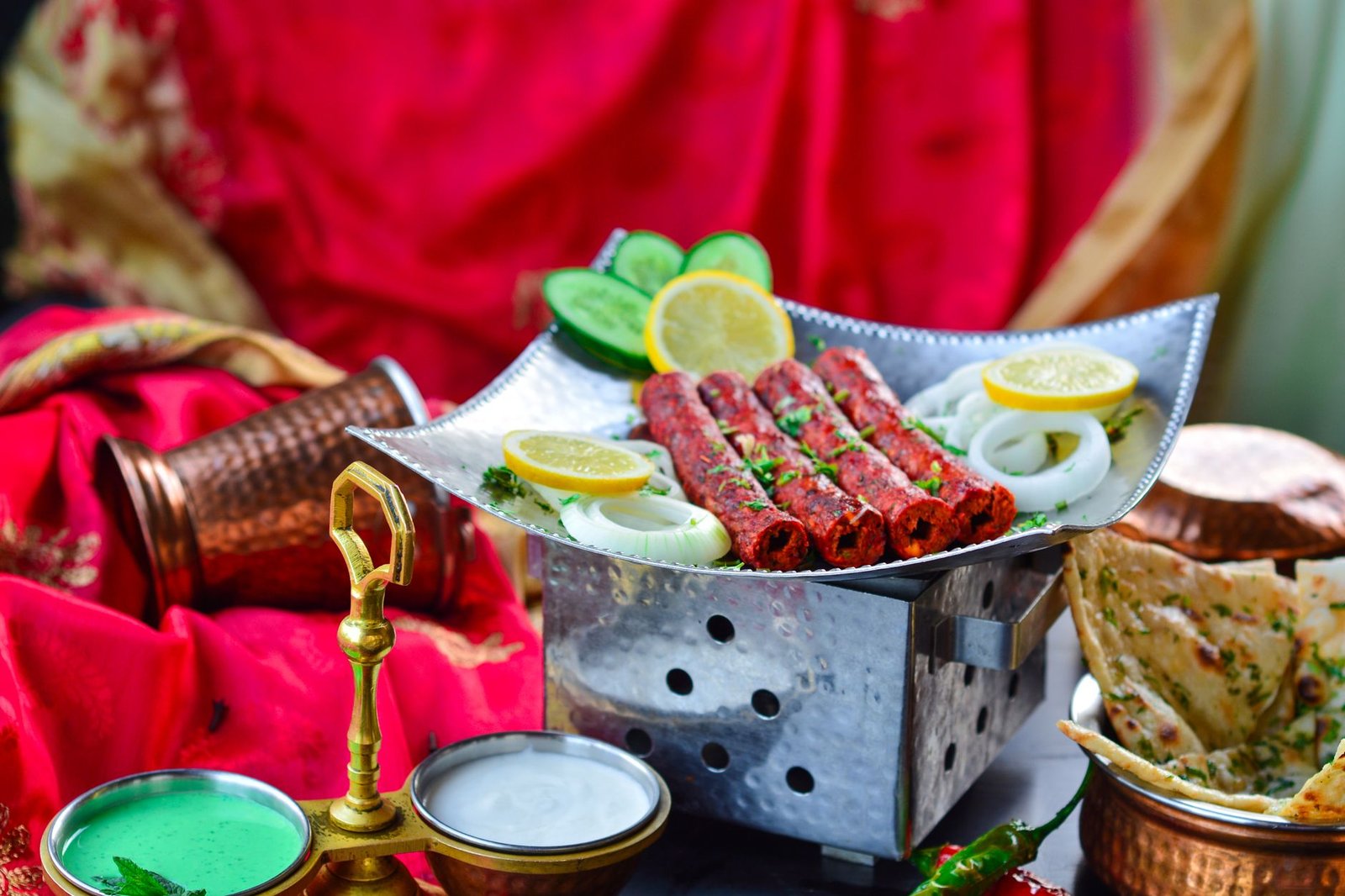
Kebabs are where your margins quietly hide. They are cheap to produce, they survive transit better than almost anything else on the menu, and customers happily pay a premium for them. So lean into seekh and shami kebabs as add-ons and combo upsells, because every extra kebab on an order is close to free money. The same logic applies to drinks: a chilled rooh afza, a jaljeera, or a simple lemon-mint cooler costs you very little and rounds out the spread, and our guide to refreshing summer drinks with a costing breakdown shows just how thin the cost is against the price you can charge.
On desserts, sheer khurma is to Eid what gujiya is to Holi. It is the dish people remember. If you have ever managed serving for a big festival spread, the Janmashtami 56-bhog serving playbook carries over neatly: large-format festive serving is its own skill, separate from cooking, and it is worth getting right.
How do you price and portion an Eid catering order?
Price every Eid catering order off a known per-head food cost, then mark it up to hit a healthy gross margin, rather than guessing a round number per plate. The festival pricing trap is quoting a familiar rate while your mutton cost has quietly jumped 30 to 40 percent in the run-up to Bakrid. If your ingredient cost moves and your quote does not, the busiest weekend of your year can actually lose you money.
Work it out in this order:
- Cost the recipe per portion. Break each dish down to grams of protein, rice, ghee, and spice, and price it at your festival-week purchase cost, not your everyday cost.
- Set your per-head menu. Decide how many grams of biryani, how many kebabs, and which sides make one “head.” Be honest about real appetites at a feast.
- Add packaging, fuel, and labour. These are real costs that disappear if you do not count them. Festival labour often means overtime.
- Apply your margin. Aim for a gross margin in the 60 to 65 percent range on catering, then sanity-check the final per-head number against what the local market will bear.
- Quote tiered packages. Offer a value, standard, and premium tier so clients self-select up instead of haggling you down.
Portioning is where margin quietly leaks. Over-serve and you eat the cost; under-serve and you get a bad review that follows you to the next Eid. Standardise your scoops, weigh during plating for the first few orders until your team has the muscle memory, and treat breads and rice as the cheap levers that make a portion feel generous without blowing the protein budget. The broader discipline here is the same one that runs a profitable kitchen year-round, which we lay out in managing food costs without compromising quality.
How do you keep bulk Eid food safe and fresh?
Bulk Eid cooking is a food-safety stress test, because you are holding large volumes of meat-heavy, gravy-rich food across hours of prep, transport, and serving, which is exactly the temperature danger zone where bacteria multiply fastest. The rules you can bend for a small dine-in service are the ones that cause trouble at festival scale.
Keep it boringly disciplined. Cook proteins to a safe core temperature and do not let cooked food sit at room temperature for more than two hours, less in peak summer heat, which is exactly when Bakrid lands in these years. Keep raw and cooked strictly separate, especially with the extra meat volume Eid brings into your kitchen. Hold hot food hot and cold food cold right up to the moment it leaves, and label every batch with a cook time so nothing ancient slips into a delivery. The WHO five keys to safer food are the cleanest summary of the principles, and they map directly onto a catering line.
Then there is the paperwork, because food safety and compliance are the same conversation. Any catering operation needs a valid FSSAI licence, and if yours is anywhere near lapsing, a festival is the worst possible time to discover it. Our FSSAI license renewal checklist walks through the renewal so it never becomes a fire drill, and if any of the terms in this section are unfamiliar, the restaurant operations glossary defines them in plain language.
How should you pack Eid catering for delivery and takeaway?
Pack Eid catering so the food arrives hot, intact, and presentable, because for delivery and takeaway orders the packaging is the only thing the customer touches before they taste your cooking. Biryani that arrives mushy, kebabs swimming in their own steam, or sheer khurma that has leaked across the bag will sink your rating no matter how good the food actually was.
A few things matter at festival volume. Use containers that hold heat and resist gravy seepage, vent biryani so the rice does not steam into a paste, and pack wet and dry items separately so a leaking salan does not ruin the kebabs. This is also where a lot of caterers quietly upgrade: with delivery and takeaway demand spiking over a festival, a growing number of food businesses now pack festival orders in sturdy compostable bagasse containers (Chuk being one of them), which handle hot, oily biryani without going soft and double as a small sustainability signal customers notice. The deeper case for that switch is in our piece on why eco-friendly packaging is the future of food takeaway in India.
How do you plan ahead for the next Eid?
The caterers who clean up at Eid are the ones who start six weeks out. Here is a simple backwards timeline you can reuse every year, anchored to the confirmed date once the moon is sighted:
- Six weeks before: finalise your menu and tier packages, and open bookings.
- Three weeks before: lock your meat and grocery suppliers at agreed rates before prices spike.
- One week before: confirm orders with clients, schedule staff and overtime, and stock packaging.
- Two to three days before: prep what keeps, like marinades, fried onions, and ground spice mixes.
- Eid day: cook in timed batches, hold at safe temperatures, and pack to order.
Plan it like this and the festival stops being a scramble at 6am. It turns into the one weekend a year you actually look forward to, because the work is done before the orders even land.
In a Nutshell
Eid al-Adha catering rewards preparation over improvisation. Build a tight menu around mutton and chicken biryani, layer in high-margin kebabs and an unmissable sheer khurma, and cost every portion against festival-week prices so a busy weekend actually pays. Keep bulk food safe with strict temperature discipline, pack it so it survives the journey, and work backwards from a confirmed date instead of a guessed one. This year’s Bakrid (May 28) is behind us, but the playbook is evergreen, so save it, refine it on your own numbers, and walk into the next Eid ready to sell out.
FAQ
When is Eid al-Adha in 2026 and 2027?
Eid al-Adha 2026 fell on May 28 across most of India, and on May 27 in Jammu and Kashmir. Because the Islamic calendar is lunar, the festival moves about 10 to 11 days earlier each year, which places Eid al-Adha 2027 around mid-May. Always confirm the exact date through a reliable source close to the moon sighting before finalising a catering plan.
What is the most important dish for an Eid al-Adha catering menu?
Biryani is the anchor, and for Eid al-Adha specifically, mutton or goat biryani carries the most cultural weight. Always offer a chicken version alongside it, since it is cheaper and faster and widens the order. Build the rest of the menu, kebabs, curries, breads, and a signature dessert like sheer khurma, around that centrepiece.
How far in advance should I take Eid catering bookings?
Open bookings around six weeks out and lock your meat suppliers two to three weeks before the festival, before Bakrid demand pushes mutton prices up. Confirm final orders with clients about a week before, once the date is certain, so your procurement and staffing are built on a confirmed date rather than a guess.
How do I price an Eid catering order so I do not lose money?
Cost each dish per portion at your festival-week purchase price, not your everyday cost, then add packaging, fuel, and labour before applying a 60 to 65 percent gross margin. Quote tiered packages so clients trade up rather than negotiate down. The common mistake is reusing last year’s per-plate rate while ingredient costs have quietly climbed.
What packaging works best for Eid biryani delivery?
Use sturdy, heat-retaining containers that resist gravy seepage, vent biryani so the rice does not turn to paste, and separate wet and dry items. Many caterers now use compostable bagasse containers, which handle hot, oily food well and signal sustainability. Good packaging protects both the food and your delivery rating during a high-volume festival.
Catering a few hundred plates this festival season?
Chuk’s compostable bagasse meal trays keep biryani hot and gravies where they belong. Or grab a sample box and test them with your own menu first.