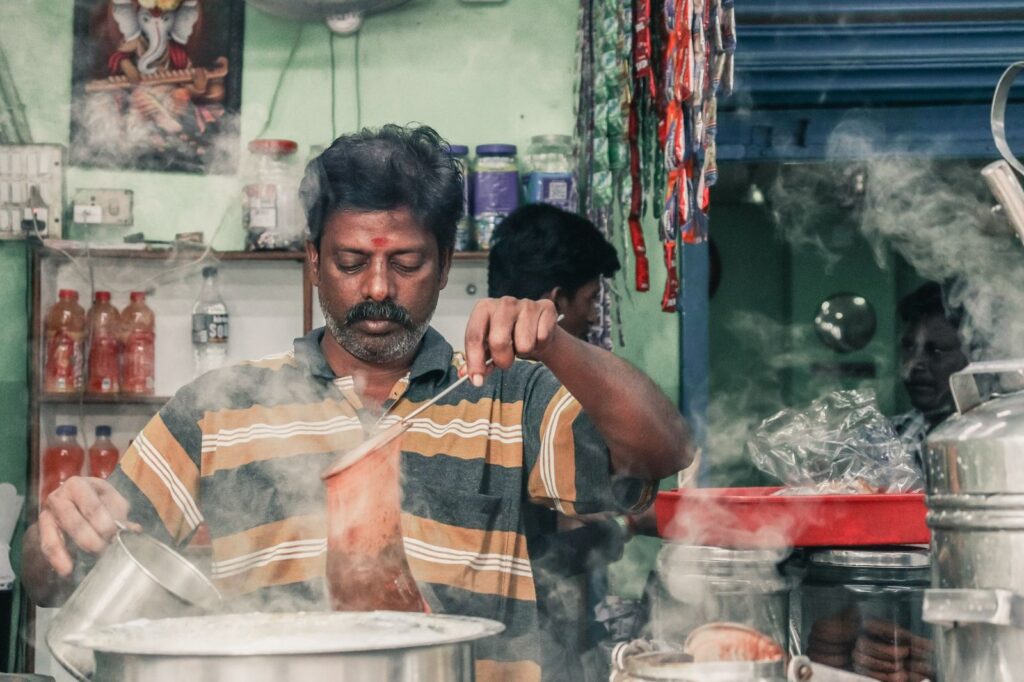
A monsoon special menu for a restaurant works best when you treat the rain as an occasion, not a problem: lean into hot, fried, spiced comfort food, price a few high-margin chai-and-snack combos, and build a small rainy-day menu you can run from now until September. Do that and the slow season becomes a steady one.
Father’s Day landed on 21 June this year, and if you ran a brunch or a set dinner for it, you have just seen something useful: families will show up in numbers for a reason to eat out. The rains are the next reason, and they last fourteen weeks, not one day. The trick is to stop waiting for the monsoon dip and start selling into it.
What is the smartest monsoon special menu strategy for restaurants?
The smartest play is the cheapest one: build a short, focused rainy-season add-on to your regular menu rather than reinventing the whole thing. Pick six to eight dishes that scream comfort, cost little to make, and travel well for delivery. Print them on a single insert card, push them hard on your aggregator listings, and run them as a named “Monsoon Menu” so customers know it is special and temporary.
The 2026 monsoon reached Kerala on 4 June and had spread across most of the country by late June, according to the India Meteorological Department. That means the craving is already here. People want pakoras and hot chai the moment the sky turns grey, and they will happily order in when stepping out means getting soaked. Your job is to have the menu ready before your competitor does, not three weeks into the season.
This is the same occasion logic that powers every good seasonal beverage push: name it, time it, and price it for margin. Summer had its coolers; the rains have their fritters. Treat the swap as routine, and you keep a fresh hook on your menu all year.
Why does monsoon comfort food sell so well?
Monsoon comfort food sells because the weather does your marketing for you. Cool, damp days trigger a real craving for hot, crisp, spicy textures — the exact opposite of the rain outside. That is why a plate of pakoras and a cutting chai feel almost compulsory the moment it pours. For a restaurant, this is a gift: demand spikes for items that are cheap, fast, and forgiving to cook in bulk.
There is a margin story underneath the nostalgia. Fritters, chaats, soups, and chai are built on flour, gram flour, oil, and spices, all low-cost staples with a long shelf life, which also makes them safer to stock in a season when fresh produce spoils fast. You are selling comfort and craving, and charging for the experience, not the ingredient cost. Few menu categories give you that kind of room.
Which monsoon dishes should your restaurant put on the menu?
Keep the list tight and weather-perfect. These travel well, cost little, and almost sell themselves once it starts raining:
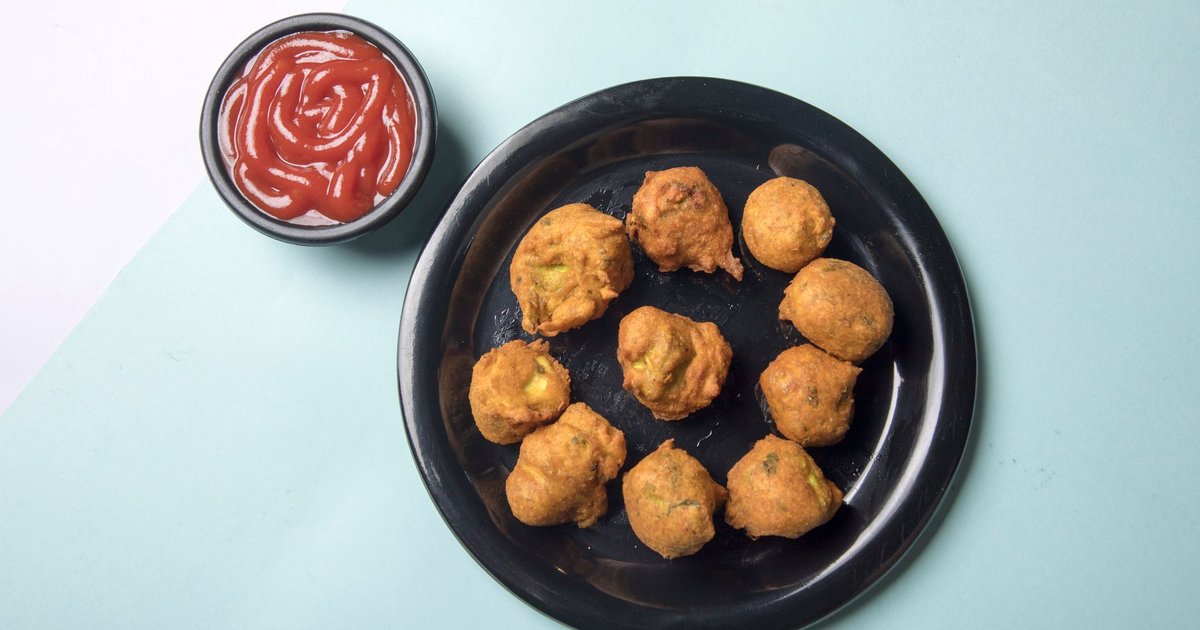
- Assorted pakoras and bhajiyas — onion, potato, palak, paneer, and mirchi. The undisputed king of monsoon snacking and the highest-margin item on this list.
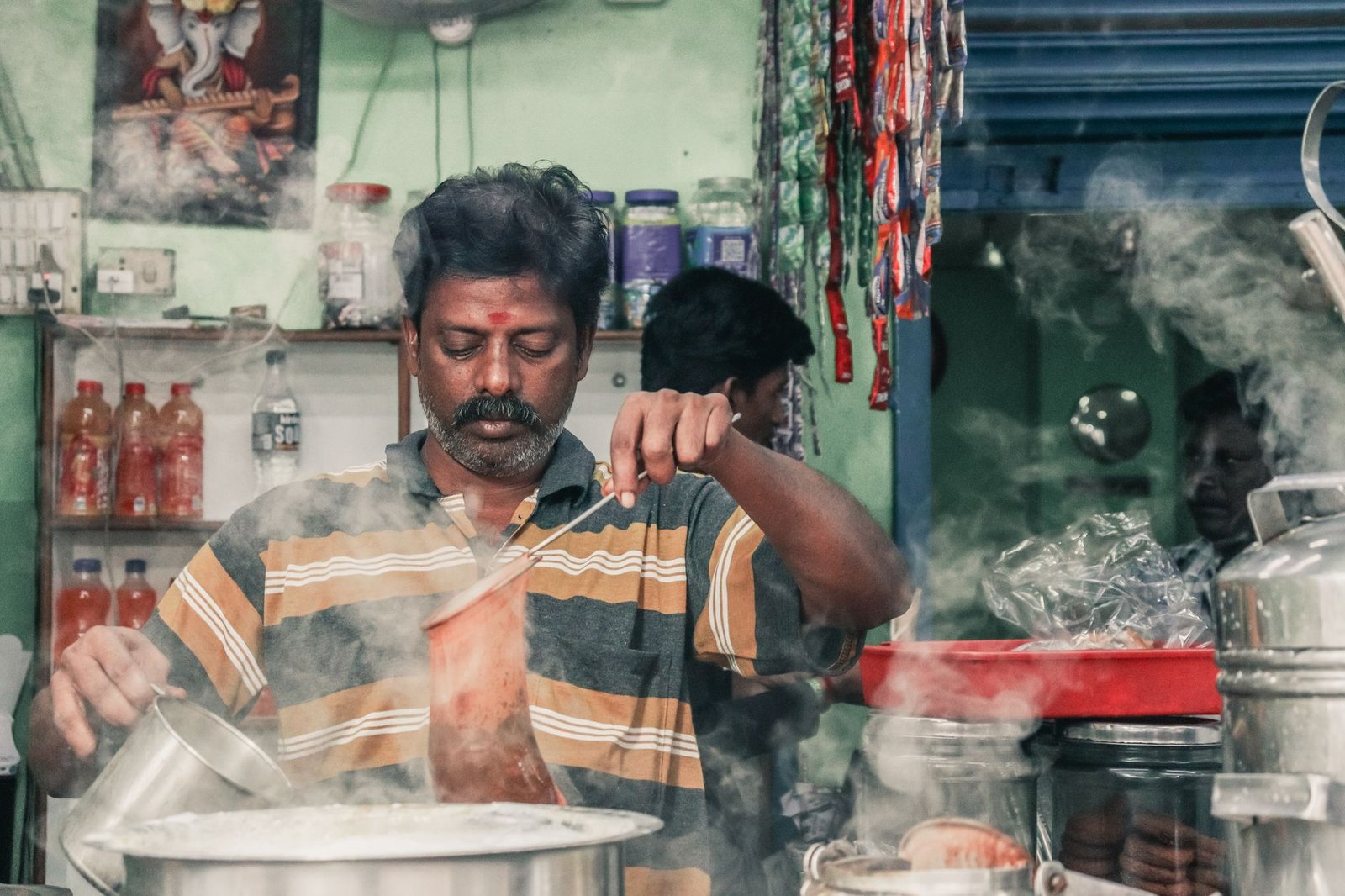
- Masala chai and filter coffee — the natural pairing for everything fried. Bundle it; never sell the snack alone.
- Hot soups — a simple tomato-shorba or a sweetcorn soup warms the room and costs almost nothing to plate.
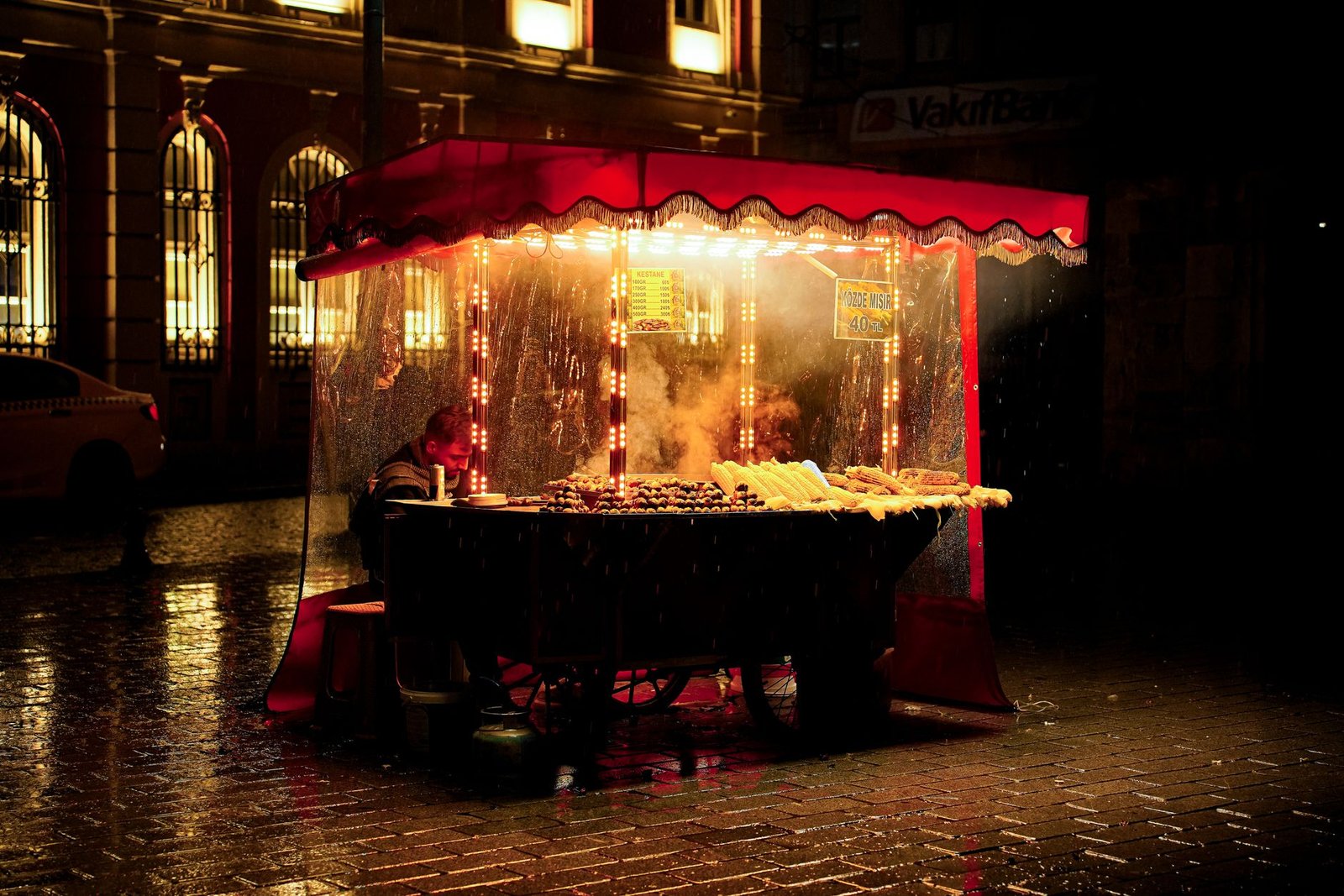
- Corn and chaat — bhutta, masala corn, and a quick sev-puri or bhel hit the rainy-day street-food craving.
- Vada pav and samosa — portable, beloved, and perfect for delivery riders to carry without damage.
- Maggi and ramen bowls — unbeatable margins, fast to fire, and a guaranteed pull for younger diners.
- Pav bhaji and hot Indian-Chinese — the indulgent, saucy plates people treat themselves to when the weather is gloomy.
| Monsoon hero dish | Rough food cost | Typical menu price | Why it works |
|---|---|---|---|
| Onion pakora (plate) | Rs 25-35 | Rs 120-160 | Cheap inputs, premium craving |
| Masala chai (cup) | Rs 8-12 | Rs 40-60 | Pure margin, pairs with everything |
| Sweetcorn soup | Rs 20-30 | Rs 110-150 | Warms diners, low cost |
| Maggi bowl | Rs 18-25 | Rs 90-130 | Fast fire, strong markup |
Run two or three of these as combos, like a “pakora platter plus two chais,” and your average order value climbs without a single new customer walking in. For more on building menus around the season instead of against it, the same thinking shapes a strong festival catering menu too.
What did Father’s Day just teach you about occasion menus?
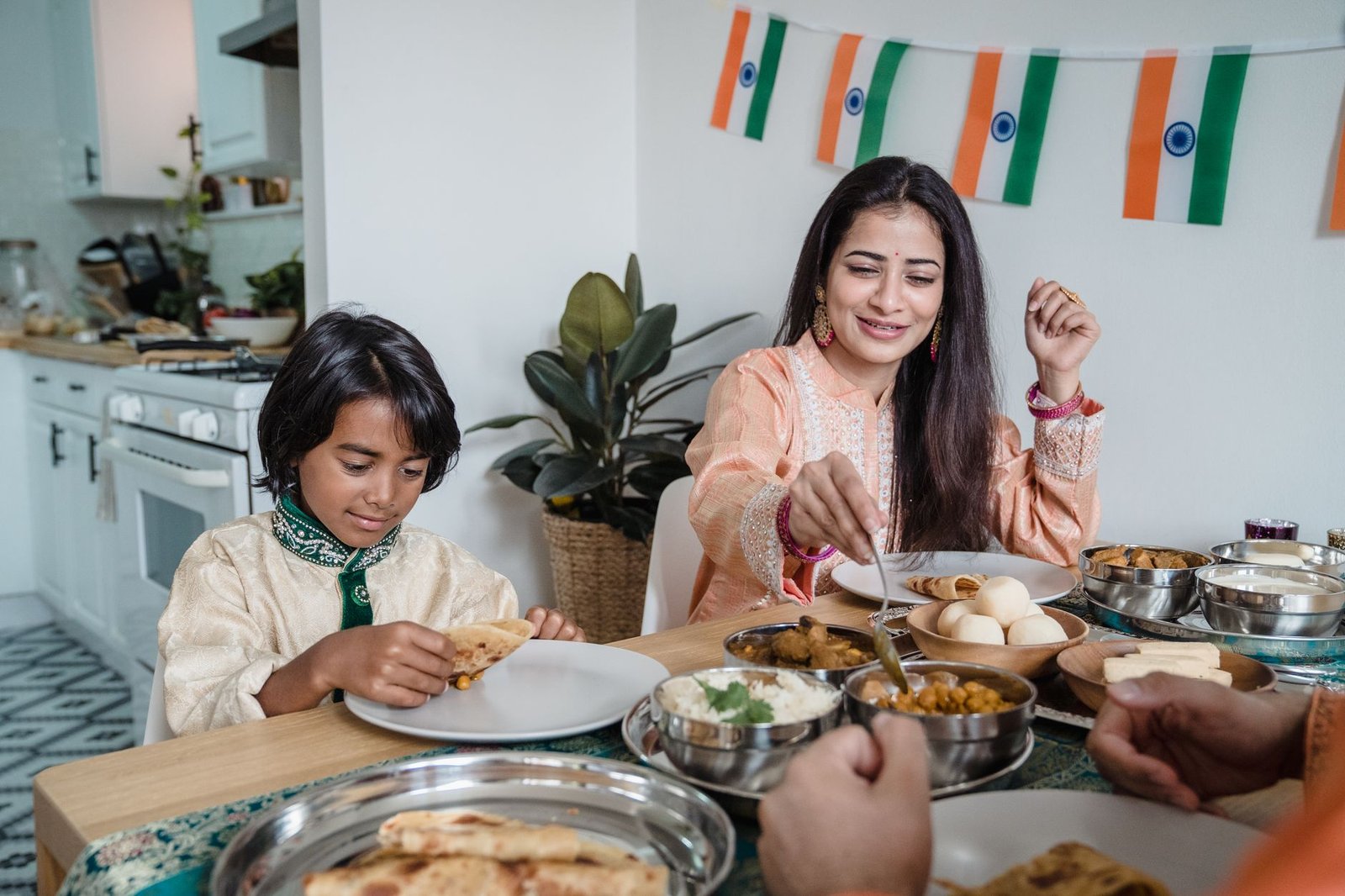
Father’s Day on 21 June was a dress rehearsal for the rest of the season. If you put out a set menu or a family combo and it filled tables, you proved the one thing that matters: people want a reason and a ready-made offer, and they will pick the restaurant that hands them both. Most owners overthink this. A named menu, a clear price, and a single social post did more than a month of generic discounting.
Carry that lesson straight into the rains. A “Rainy Day Family Feast” works on the same instinct a Father’s Day brunch did. It removes the decision fatigue and gives a group a reason to gather. If the festival or weekend just passed taught you which combos your regulars actually bought, lean harder into those for monsoon. The occasion changes; the playbook of name-it, price-it, post-it does not. Save your winning Father’s Day combo and rerun a tweaked version next June, too.
How do you protect monsoon delivery orders from arriving soggy?
Delivery is where monsoon menus quietly fall apart. Rain means more orders — nobody wants to step out — but it also means longer rider times, jostled bags, and steam turning a crisp pakora into a limp disappointment by the time it lands. A soggy box is a refund, a one-star review, and a customer who blames your kitchen for the weather. Get your aggregator listing and delivery flow tight before the volume hits.
Packaging is the fix most kitchens underrate. Vent fried items so steam escapes instead of condensing, separate wet and dry components, and use containers that hold their shape when the bag gets wet. A lot of restaurants switch to compostable bagasse containers (Chuk among them) for the rains because they stay sturdy against gravy and steam and then go into the wet-waste stream rather than the bin, and you can see the range here. Whatever you pick, the rule holds: pack hot food hot, vent the steam, and get it out the door fast.
One more reason packaging matters in monsoon: the same humidity that ruins a delivery box is a food-safety risk in your kitchen, the kind FSSAI’s hygiene rules hold you to. Tighter packaging and tighter storage are two halves of the same rainy-season habit, and both lean on the basics any good operations checklist already covers.
In a Nutshell
The monsoon is not a season to survive. It is a season to sell into. Build a short, named rainy-day menu of hot, fried, high-margin comfort food, bundle the chai with the snack, and price the combos for value. Use what Father’s Day just taught you: people show up for a reason and a ready offer. Then protect every delivery order with packaging that beats the damp, and the fourteen weeks of rain become fourteen weeks of steady covers instead of a slow stretch you wait out. Name it, price it, post it, pack it well. That is the whole monsoon game.
Frequently Asked Questions
What dishes sell best on a monsoon restaurant menu?
Hot, fried, and spiced comfort food wins: pakoras and bhajiyas, samosas, vada pav, hot soups, corn chaat, Maggi or ramen bowls, pav bhaji, and plenty of masala chai. They are cheap to make, quick to fire in bulk, and match exactly what customers crave when it rains.
When should I launch my monsoon special menu in 2026?
Now. The 2026 monsoon reached Kerala on 4 June and covered most of India by late June, so the craving is already live. Launch a short rainy-season menu as soon as the rains arrive in your city and run it through September.
How do I keep fried food crisp for monsoon delivery?
Vent the packaging so steam escapes, keep wet curries separate from dry, fried items, and use sturdy containers that do not soften when the bag gets wet. Pack hot food hot and dispatch fast, because rider times stretch in the rain.
Can I reuse my Father’s Day menu idea for the monsoon?
Yes. The same logic applies: a named offer, a clear price, and a simple group combo. Rename a “Father’s Day family set” into a “Rainy Day Family Feast,” lean on the combos your regulars actually bought, and you keep the occasion habit running through the season.
Are monsoon menu items profitable for restaurants?
Very. Fritters, chai, soups, and noodles are built on low-cost, long-shelf-life staples like flour, gram flour, and spices, so the food cost is small while the craving lets you charge a premium. Bundling snacks with beverages pushes the average order value higher still.
Soups, Maggi bowls, and chai-time snacks need bowls that can take the heat.
Chuk’s compostable bagasse bowls hold hot, saucy food without going soft. Or grab a sample box and test them with your own menu first.