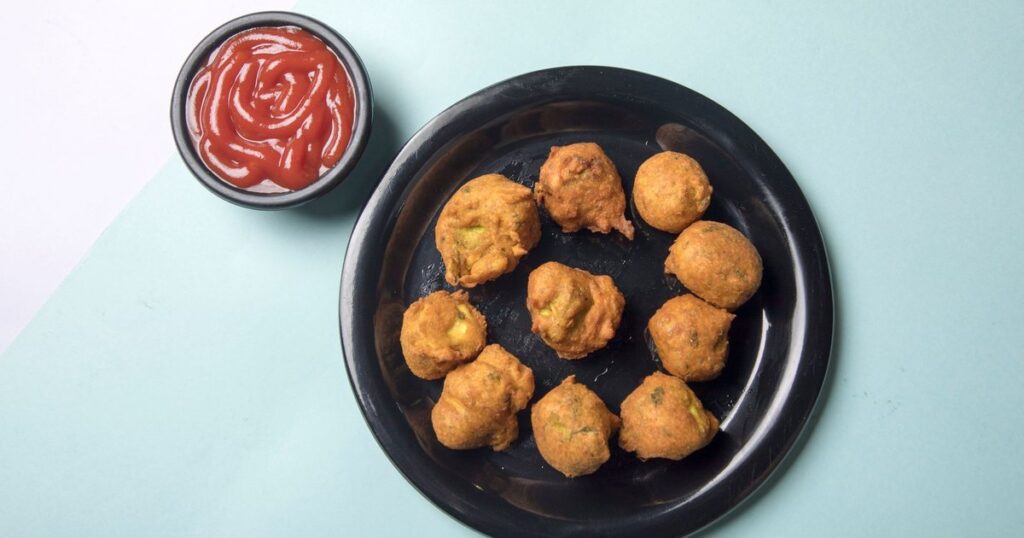
The best monsoon menu ideas for a restaurant are the cheap, craveable ones: pakoras, chai, hot soups and chaat cost very little to make but sell at full comfort-food prices, so a tight rainy-season special can run gross margins north of 75 percent. Cost them right, bundle them, and the slow season starts paying.
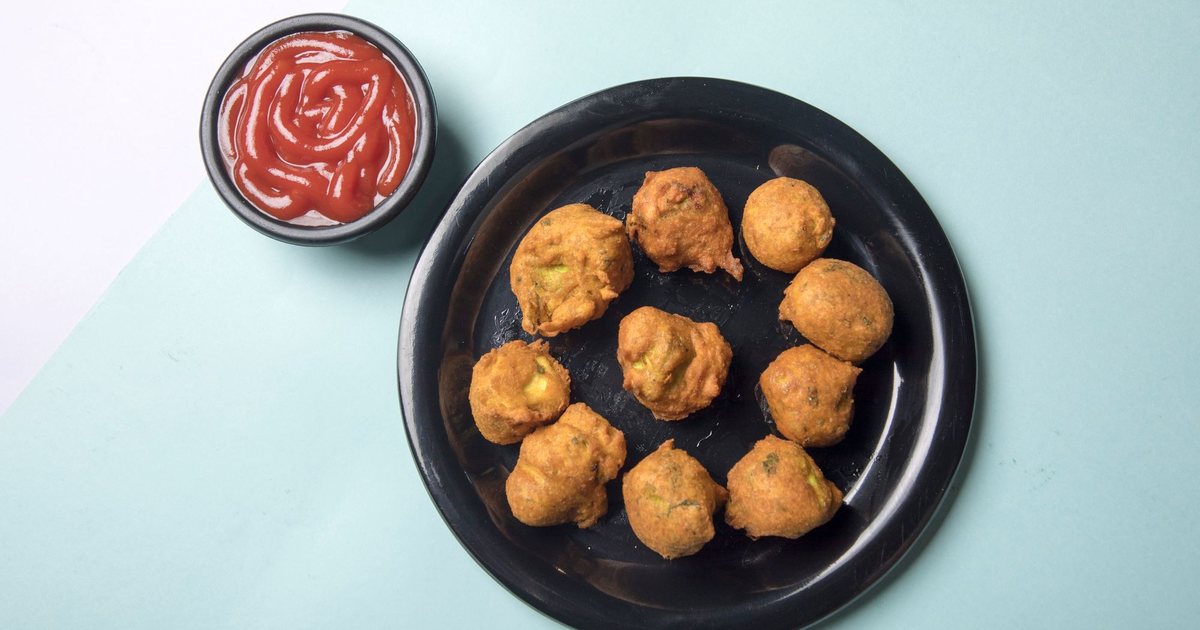
Here is the thing most owners miss. The monsoon does not just change what people want to eat. It changes the maths of your kitchen in your favour. The 2026 season is already in an active phase across central and western India as of early July, according to the India Meteorological Department, and July alone carries a long-period rainfall average of 280 mm. That is fourteen-odd weeks of built-in craving for hot, fried, spiced food. The trick is to sell into it with items engineered for margin, not just for the menu insert.
This is a different job from simply deciding what to cook. If you want the “what dishes and why” version, our monsoon special menu playbook covers the strategy. This post is about the money: which specials print the best margins, what they actually cost, and how to bundle and pack them so the profit survives the trip to the customer.
What makes a monsoon menu actually profitable?
A monsoon menu is profitable because it is built on the cheapest, most forgiving ingredients in your store. Gram flour, potatoes, onions, oil, tea, and basic spices are low-cost, long-shelf-life staples, which matters even more in a season when fresh produce spoils fast and wastage creeps up. You are not selling expensive protein. You are selling craving and warmth, and you can charge for the experience rather than the raw plate cost. The gap between what a fritter costs and what a soaked, hungry customer will happily pay for it is unusually wide during the rains, because the weather quietly removes the need to discount. Nobody haggles over a hot pakora when it is pouring outside. A restaurant that leans into this, with a short list of low-cost comfort items priced with confidence, can lift its blended food-cost percentage across the whole season, not just on the specials themselves.
That gap between cost and price is the whole game. A plate of mixed pakoras might carry 20 to 25 rupees of ingredients and sit happily on the menu at 120 to 140. A cutting of masala chai costs you loose change and sells for 40. When the weather itself is doing your marketing, you do not need to discount to move these items. You just need every order to pull a second high-margin thing along with it. Get that right and a rainy Tuesday outperforms a dry one.
Which 10 monsoon comfort food specials deliver the best margins?
Keep the list short, weather-perfect, and priced for profit. These ten travel well, cook in bulk, and almost sell themselves the moment it pours:
- Mixed pakora platter — onion, potato, palak, paneer and mirchi. The highest-margin item on any rainy-day menu and the anchor of the whole section.
- Masala chai — the natural partner to everything fried. Never sell a snack without offering it.
- Pakora-and-chai combo — your single most important SKU. Bundle the two above at a small “discount” that is really a margin boost.
- Bread pakora / aloo bonda — filling, cheap, and perfect for the delivery crowd who want a proper snack.
- Hot shorba or sweetcorn soup — warms the room, costs almost nothing, and lifts the average bill.
- Masala corn cup — bhutta and buttered masala corn hit the street-food craving at a near-zero food cost.
- Sev puri / bhel — assembled to order, no cooking, high perceived value.
- Vada pav or samosa — regional comfort staples that need no explanation and no discount.
- Maggi / masala noodles — unbeatable rainy-day nostalgia and one of the best food-cost ratios in the building.
- Filter coffee or adrak-tulsi kadha — a warm-drink alternative for the non-chai crowd, same lovely margins.
Here is roughly how the economics look on the core items. Treat these as illustrative, because your mandi and rent will move the numbers, but the shape holds everywhere:
| Special | Typical food cost | Menu price | Gross margin |
|---|---|---|---|
| Mixed pakora platter | Rs 22 | Rs 129 | ~83% |
| Masala chai (cutting) | Rs 8 | Rs 40 | ~80% |
| Pakora + chai combo | Rs 30 | Rs 149 | ~80% |
| Hot shorba / soup | Rs 15 | Rs 89 | ~83% |
| Masala corn cup | Rs 12 | Rs 69 | ~83% |
| Bread pakora (2 pc) | Rs 14 | Rs 79 | ~82% |
No other menu category hands you that kind of room. A dry-season biryani might do 55 to 60 percent; these rainy-day specials sit comfortably in the 80s.

How do you package monsoon food for the delivery surge?
When it rains, footfall drops but delivery climbs. People still want pakoras; they just refuse to get soaked fetching them. That shift is where most monsoon menus quietly leak profit. Fried food that arrives soggy gets a one-star review and no repeat order, no matter how good it was leaving your kitchen. Steam is the enemy: trapped heat with nowhere to go turns a crisp pakora limp in fifteen minutes.
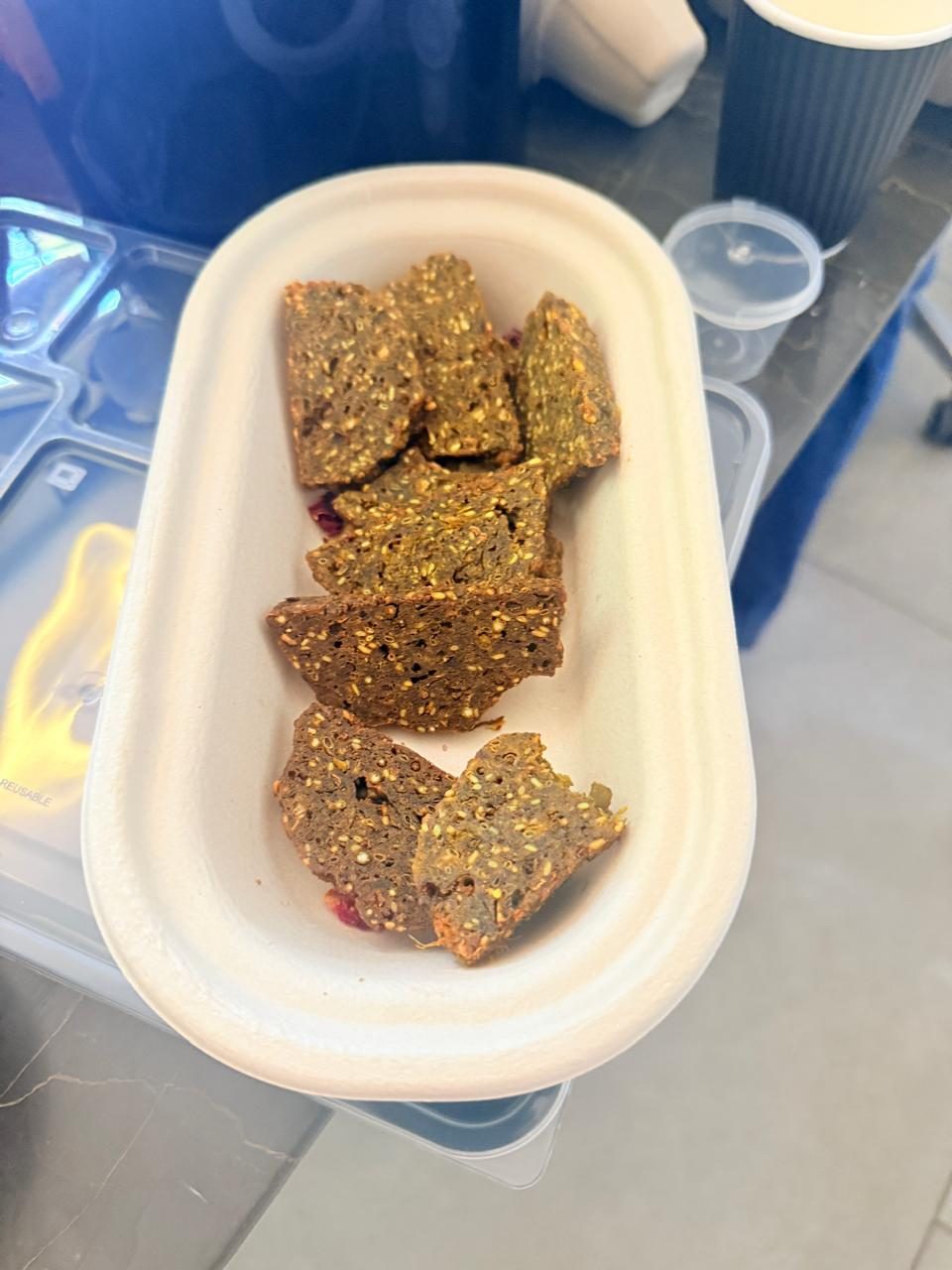
The fix is packaging that vents and holds heat without sweating. A few brands — Chuk among them — now make compostable bagasse containers and snack trays with enough rigidity and breathability to keep fried items crisp on a 20-minute ride, which also keeps you on the right side of tightening single-use plastic rules. Pair that with a simple rule: pack wet and dry separately, and never seal chai in the same bag as fritters. There is a hygiene angle too, and it is not optional. Humid weather is exactly when food-borne risk climbs, and the FSSAI expects hot food to be held and transported at safe temperatures right through the delivery chain. Trapped condensation stops being a soggy-snack problem and becomes a food-safety one. Your delivery ratings in monsoon are a packaging decision as much as a kitchen one, and it ties straight into the food-safety habits that keep hot food safe in humid weather.
How should you price and bundle monsoon specials?
Pricing monsoon items is less about the number and more about the pairing. The mistake is selling a 40-rupee chai on its own; the win is refusing to. Every fried snack should be offered with a drink, every drink should suggest a snack, and your menu insert should make the combo the obvious default. This is the same occasion logic that powers a good seasonal beverage push — name it, time it, and price it so the bundle beats the single.
Push the combos hard on your aggregator listings too, because that is where the rainy-day orders land first. A well-photographed “Monsoon Munchies” combo pinned to the top of your Zomato listing will outsell a buried a-la-carte pakora every single time. Run the whole thing as a named, temporary “Monsoon Menu” so customers feel the urgency, and lean on the terms in our restaurant operations glossary if any of the costing language is new. The scarcity is real, because the season does end, and that honesty sells.
In a Nutshell
Monsoon is a high-margin window, as long as you set it up to be one. Build a short list of cheap, craveable comfort specials, cost them properly, bundle every snack with a drink, and pack them so they arrive crisp. The ingredients cost little, the weather sells them for you, and the margins are among the best on your whole menu. Set it up once in early July and it prints quietly until September.
FAQ
What are the best-selling monsoon menu items for a restaurant?
Pakoras, masala chai, hot soups, bhel and chaat, vada pav, and warm noodles are the reliable monsoon sellers. They are cheap to produce, quick to plate in bulk, and match the exact craving that rainy weather triggers.
How much margin can monsoon comfort food specials make?
Well-costed monsoon specials typically run 75 to 85 percent gross margin, because they use low-cost staples like gram flour, potatoes and tea. That is well above a typical main course, which is why a focused rainy-season menu lifts overall profitability.
How do I stop delivered pakoras from going soggy?
Use vented, rigid packaging that lets steam escape, and pack wet and dry items separately. Compostable bagasse trays and containers hold heat without sweating, which keeps fried food crisp on a 15 to 20 minute delivery run.
When should I launch a monsoon menu in India?
Launch by the first week of July. The monsoon is usually active across most of the country by then, so having the menu ready early means you capture the craving before your competitors do.
Pack your monsoon rush so it arrives crisp
Rainy-day orders live or die on packaging. CHUK’s compostable bagasse delivery containers and snack trays vent steam, hold heat, and keep fried food crisp all the way to the customer. Fully compostable, and plastic-ban ready.
Browse delivery containers & trays | Order a sample box | Get pricing on WhatsApp