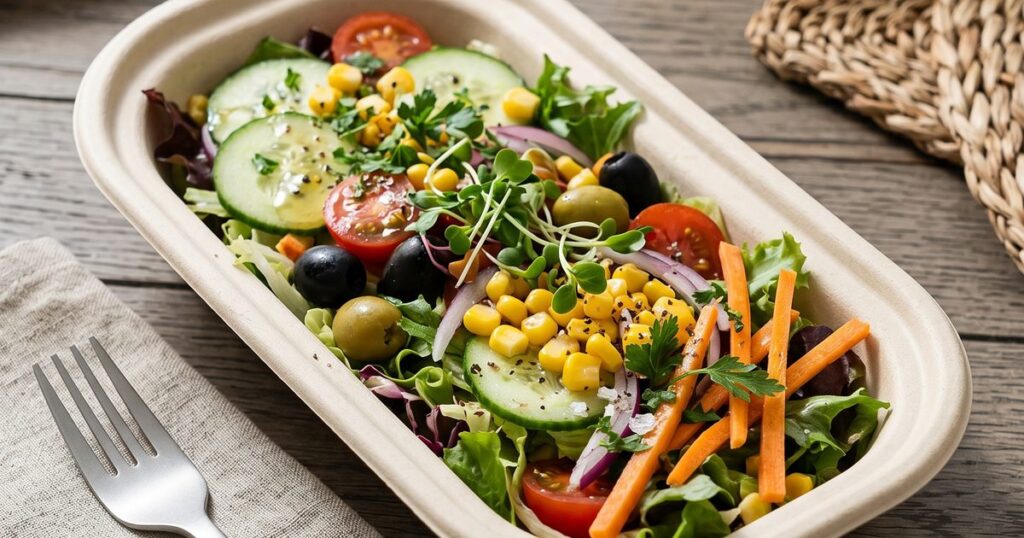
If you want to reduce food waste in a restaurant, start by measuring it for one week, then attack the three biggest leaks in order: over-purchasing, over-prepping, and poor storage. Most kitchens that do this cut waste by 20-30% within a couple of months, and because wasted food is money you already paid for, that reduction lands straight on your bottom line.
Here’s the uncomfortable part. Food waste doesn’t show up as a line item on your P&L. It hides inside your food cost percentage, so a kitchen bleeding 8% of its purchases into the bin looks exactly like a kitchen running tight, until you actually weigh what goes out the back door. This guide is the system for finding that leak and closing it.
How much is food waste actually costing your restaurant?
More than you think, and the reason is compounding. When a crate of tomatoes spoils, you don’t just lose the purchase price. You lose the labour that prepped half of them, the storage space they occupied, and the margin on the dishes they would have sold. Industry estimates put pre-plate food waste at roughly 4-10% of everything a restaurant buys, and the UNEP Food Waste Index Report 2024 found the global food-service sector accounts for around 28% of all food wasted worldwide, so this is not a rounding error.
Run the math on your own numbers. If your restaurant buys Rs 5,00,000 of food a month and 7% is wasted, that’s Rs 35,000 gone every month, Rs 4,20,000 a year, with no revenue attached. For most independent restaurants that figure is larger than a full month’s net profit. Cutting it by even a third pays for a new hire or a season of marketing. This is why managing food costs without compromising quality always starts at the waste bin, not the supplier invoice, and why “food cost control” and “waste control” are two names for one job.
Where does restaurant food waste actually come from?
Waste isn’t one problem, it’s four, and they need different fixes. Lumping them together is why generic advice like “buy less” rarely moves the number. Break your waste into its real sources first, because the fix for spoilage is nothing like the fix for plate scrapings. Most of these terms are defined in plain English in our restaurant operations glossary if any are new to you.
| Waste source | What it looks like | Typical cause | The fix |
|---|---|---|---|
| Spoilage | Produce, dairy, proteins binned before use | Over-ordering, weak FIFO, bad storage temps | Tighter par levels, first-in-first-out, sealed storage |
| Over-production | Batch-cooked food nobody ordered | Guessing demand, prepping for a rush that didn’t come | Sales-data forecasting, smaller batches, made-to-order |
| Prep waste | Excess trim, peels, offcuts | Untrained knife skills, no scrap plan | Staff training, root-to-stem menu use |
| Plate waste | Food returned uneaten | Portions too large, menu mismatches | Right-sized portions, menu engineering |
The single most useful thing here is that spoilage and over-production together usually make up the bulk of the money lost, and both are storage-and-forecasting problems, not cooking problems. That’s good news, because those are the cheapest to fix. Get your kitchen storage and food-safety basics right and a large slice of spoilage disappears before you’ve touched a recipe.
How do you run a food waste audit?
You can’t cut what you don’t measure, so before changing a single process, spend one week putting a number on the problem. A food waste audit sounds like a consulting exercise, but for a working kitchen it’s five steps and a cheap scale.
- Get a scale and two bins. Label one bin “spoilage/prep” (food that never reached a customer) and one “plate waste” (food that came back). Keeping them separate tells you whether your problem is upstream (buying and prep) or downstream (portions and menu).
- Weigh everything for seven days. At the end of each shift, weigh both bins and log the number with the date and day of week. Seven days captures your weekday-to-weekend swing.
- Photograph the big offenders. A quick phone photo of what’s being thrown out is worth more than a spreadsheet cell. You’ll spot the same over-prepped item again and again.
- Tag the top three items by weight. Nearly every kitchen finds that three or four ingredients account for most of the waste. Those are your entire project. Ignore the long tail for now.
- Convert weight to rupees. Multiply wasted weight by what you paid per kilo. Seeing “Rs 9,000 of paneer binned this week” changes behaviour in a way “be careful with paneer” never will.
At the end of the week you’ll have a ranked, costed list of exactly where your money is leaking. Most owners are genuinely shocked, and that shock is the whole point, because it’s what makes the next steps stick with the team. Repeat the audit quarterly, or after any menu change, to make sure old habits haven’t crept back.
What are the fastest ways to cut kitchen waste?
Once the audit tells you where the money goes, these are the levers that move the number fastest, roughly in order of payback.
Tighten your par levels and order more often. Over-ordering is the number-one spoilage driver. Use your last few weeks of sales to set realistic par levels for each ingredient, and lean toward ordering smaller quantities more frequently, even if the per-unit price is slightly higher. A marginally higher unit cost beats throwing away a third of the crate. Your suppliers would rather deliver twice than lose you as a customer.
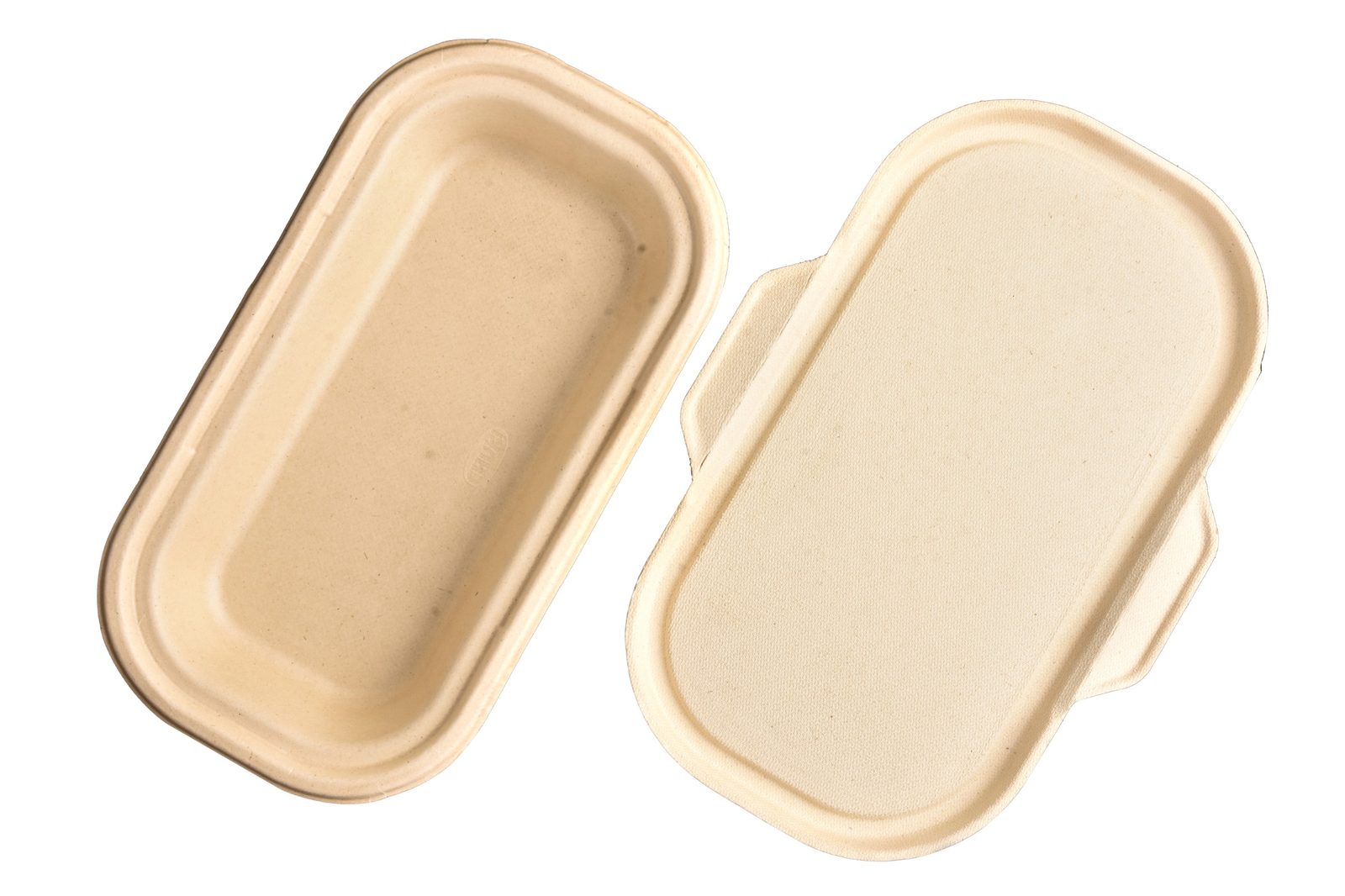
Run strict FIFO storage. First-in, first-out is unglamorous and it works. Date every container, store older stock in front, and give prepped items a clear home with proper lids so nothing dries out, gets forgotten, or absorbs fridge odours. Sealed, stackable storage for batch-prepped items is where a lot of quiet spoilage is won or lost; this is exactly what dine-in and prep containers are for, keeping portioned mise en place fresh and visible rather than clingfilmed into oblivion at the back of the walk-in. A tidy, labelled cold room is a low-waste cold room.
Forecast with your own data, not gut feel. Your POS already knows how many portions of each dish you sell by day and weather. Prep to that, not to “let’s make a big batch to be safe.” Over-production is demand-guessing, and the cure is looking at the demand you already have on record.
Engineer the menu and the portions. If your audit shows heavy plate waste on a dish, the portion is probably too big or the dish is a poor seller dragging inventory. Right-size the portion (customers rarely complain, and your food cost drops twice over) or cut the dish and stop stocking its one-off ingredients. Cross-utilise ingredients across the menu so nothing depends on a single low-volume item. If you want the quick-hit version of these tactics, our 8 practical tips to reduce food waste is a handy checklist to pin up in the kitchen.
Put your team on it. None of this survives without buy-in. Show the staff the audit numbers, make waste a line in the daily pre-shift chat, and celebrate the weeks the number drops. People protect what they can see, and most cooks genuinely hate throwing away food they worked on.
How do you turn food scraps into savings (or compost)?
Some waste is unavoidable, peels, bones, coffee grounds, trim, and the goal there shifts from “eliminate” to “capture value.” Repurpose what you can inside the kitchen: vegetable trim into stock, day-old bread into croutons, bones into a house broth. Root-to-stem and nose-to-tail thinking turns yesterday’s offcut into today’s special.
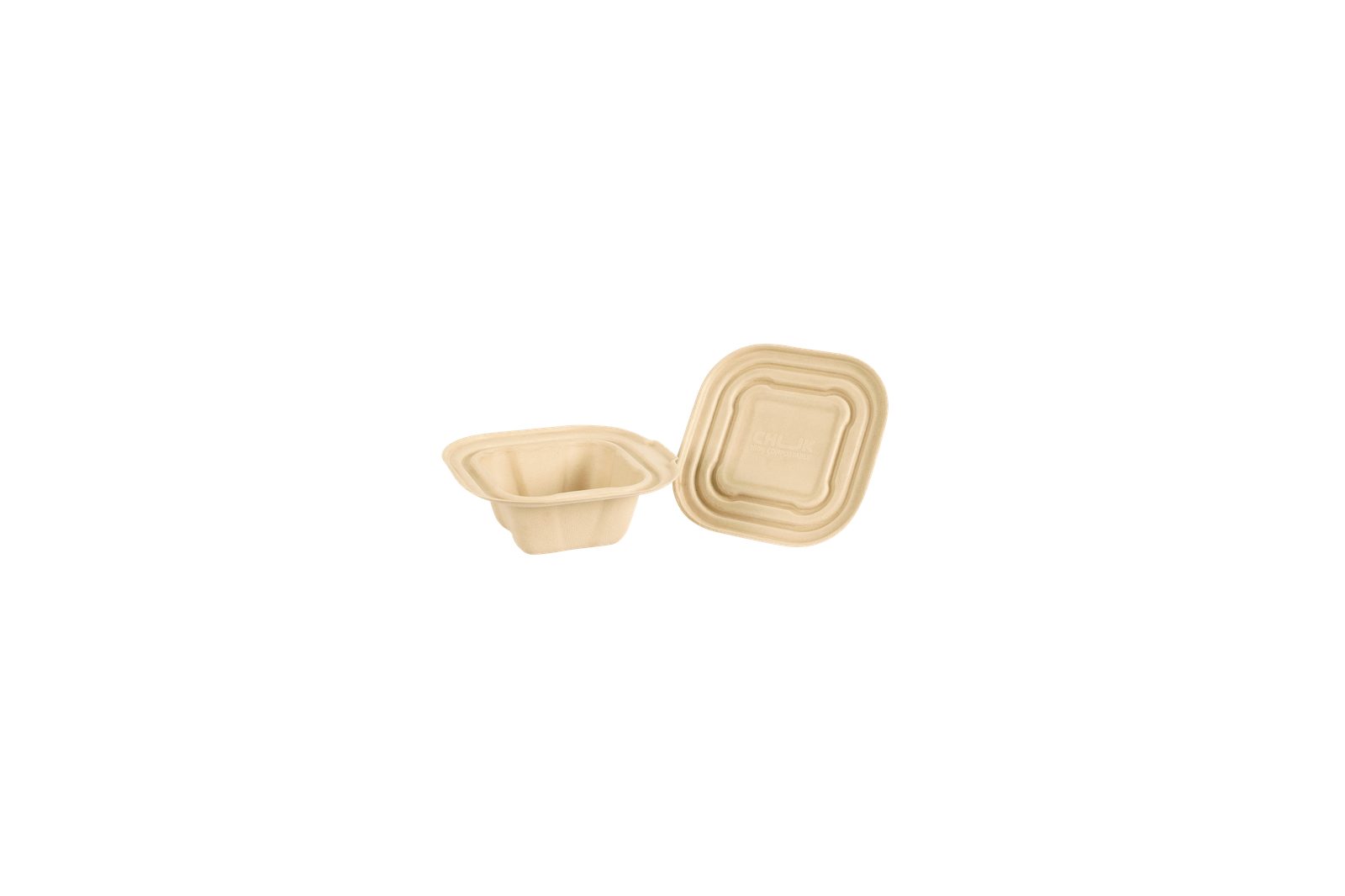
For the genuinely inedible remainder, the answer is a proper compost stream rather than a landfill bag. This is also where your disposables matter more than most owners realise. If your takeaway and dine-in packaging is compostable, it can be disposed of in the same organic-waste stream as food scraps instead of contaminating it, and a few brands, Chuk among them, make bagasse plates, bowls and containers that break down alongside the food rather than outliving it. It’s a small operational tidy-up that keeps your waste-disposal story clean and turns a cost centre into part of your sustainability positioning. If you’re serious about the disposal side, our step-by-step guide to composting at your restaurant walks through setting up a bin that actually works.
Beyond composting, look into local surplus-food redistribution. Several Indian cities have networks that collect safe, unsold prepared food for community kitchens, which handles your end-of-day surplus responsibly and does quiet good for your brand. Just make sure anything you donate meets FSSAI food-safety standards for handling and temperature, the same rules that keep your kitchen compliant apply to food that leaves it.
In a Nutshell
Food waste is one of the few costs you can cut without cutting quality, raising prices, or spending money, because you’re simply keeping what you already bought. Measure it for a week, rank the leaks by rupees, fix over-ordering and storage first, and put the team on the number. A 30% reduction is a realistic target for most kitchens, and on a typical food bill that’s more cash than most marketing campaigns will ever bring in. Start with the scale and two bins on Monday.
Frequently Asked Questions
How much food does the average restaurant waste?
Industry estimates put pre-plate food waste at roughly 4-10% of everything a restaurant purchases, before any plate waste is counted. The UNEP Food Waste Index Report 2024 attributes about 28% of global food waste to the food-service sector. The only number that matters, though, is your own, which a one-week weigh-and-log audit will give you.
What is a food waste audit and how long does it take?
It’s a short exercise where you weigh and log everything your kitchen throws out, split into “spoilage/prep” and “plate waste,” for about a week. It needs a cheap scale and a logbook, costs almost nothing, and produces a ranked, costed list of exactly where your money is leaking. Repeat it quarterly or after any menu change.
What causes the most food waste in a commercial kitchen?
For most kitchens, spoilage (from over-ordering and weak storage) and over-production (from guessing demand instead of using sales data) together account for the bulk of the money lost. Both are forecasting-and-storage problems rather than cooking problems, which makes them the cheapest and fastest to fix.
Does reducing food waste actually improve profit?
Directly. Wasted food is money you’ve already spent with no revenue attached, so every rupee of waste you eliminate drops straight to your bottom line. Cutting waste by 30% on a Rs 5,00,000 monthly food bill running 7% waste saves over Rs 1,25,000 a year, often more than a full month’s net profit.
How do compostable disposables help with restaurant waste?
Compostable packaging can be disposed of in the same organic-waste stream as your food scraps, rather than contaminating a recycling or landfill stream. That keeps your waste-disposal process simpler and supports a genuine sustainability claim, provided you have a working compost or organic-collection pathway set up.
Right-sized storage is where waste gets won.
A lot of spoilage happens between prep and service, in the gap where portioned food sits waiting. Sealed, stackable, compostable containers keep mise en place fresh, visible and first-in-first-out, and when they wear out they compost alongside your scraps instead of adding to the bin.
Browse CHUK dine-in & prep containers • Try a sample box before you commit • Or message us on WhatsApp for pricing.