8 tips to reduce food waste as a restaurant owner (and save real money doing it)
Food waste is not a sustainability talking point for you. It is money leaving your kitchen in garbage bags.
Indian restaurants waste roughly 40% of the food they purchase, according to the Indian Institute of Waste Management. Run that against your own numbers. If your monthly procurement bill is INR 5 lakh, something close to INR 2 lakh is going into the bin. Not the customer’s plate. The bin.
The honest truth? Most of this waste is fixable. Not through good intentions or “going green” initiatives, but through better systems. You already run a tight operation. What nobody has handed you are the specific changes that actually move the needle in an Indian commercial kitchen.
Here are eight. Some are obvious, some are not, and they work best together.
Key Takeaways
- Weekly waste audits alone cut kitchen waste by 20-30% within three months
- Portion flexibility (half-portions, sharing plates) reduces plate waste while giving customers more reasons to order
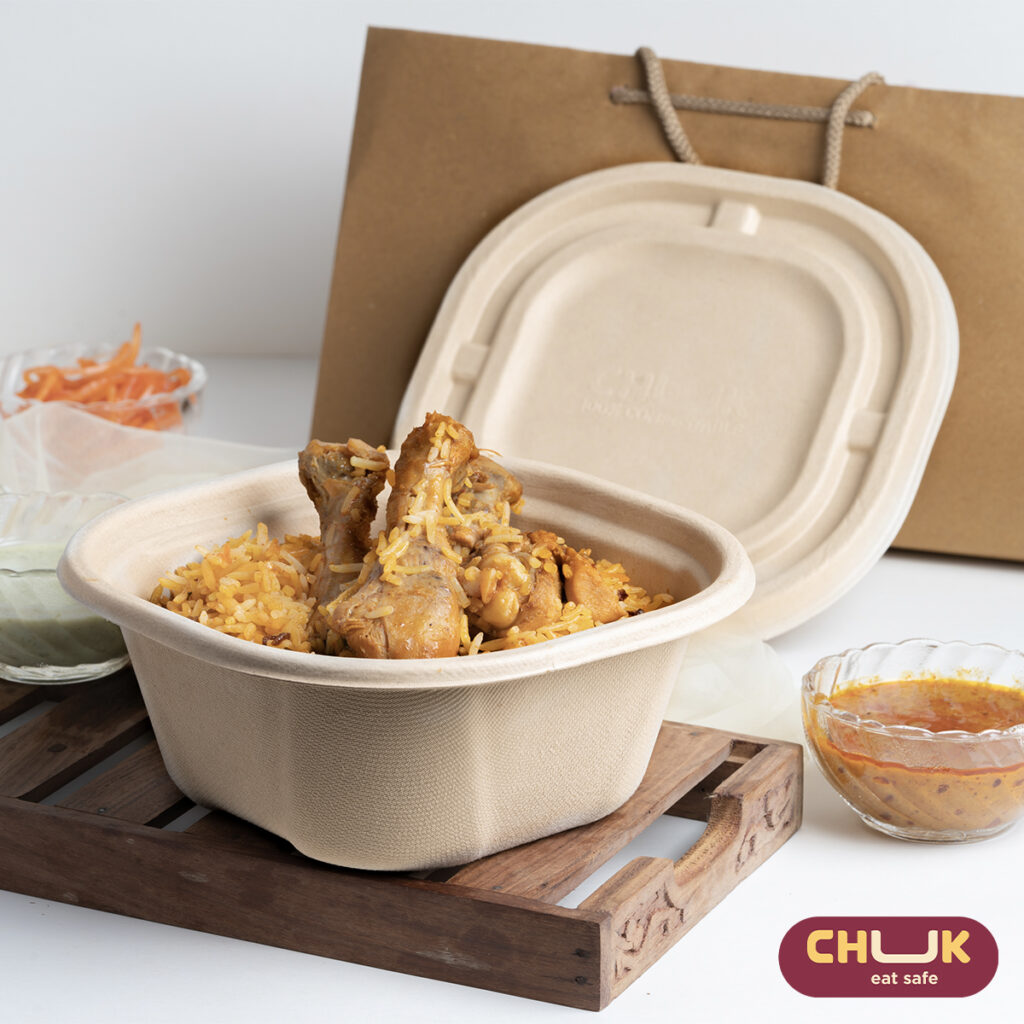
- Compostable disposables for takeaway and delivery lower disposal costs and keep you ahead of tightening regulations
- Staff training on waste aware prep methods has the highest ROI of any single change you can make
- Smart supplier relationships prevent over-ordering, which is the single largest source of restaurant food waste
- Combined, these strategies save INR 50,000-1,50,000 per month for a mid-sized restaurant
Waste reduction tips at a glance
| Tip | Effort level | Estimated monthly savings | Payback period |
|---|---|---|---|
| Weekly waste audits | Low (2-3 hrs/week) | INR 15,000-30,000 in reduced procurement | Immediate |
| Compostable packaging switch | Medium (one-time transition) | INR 3,000-6,000 in disposal costs | 2-3 months |
| Portion control and flexibility | Low (menu redesign) | INR 10,000-25,000 in reduced plate waste | 1-2 weeks |
| Efficient water systems | Medium (equipment upgrade) | INR 2,000-5,000 in utility savings | 3-6 months |
| Supplier relationship management | Low (process change) | INR 20,000-40,000 in reduced spoilage | Immediate |
| Staff training programme | Medium (ongoing) | INR 15,000-35,000 across all waste categories | 1 month |
| Sustainability certification | High (application process) | Variable (tax benefits + customer premium) | 6-12 months |
| Virtual kitchen model | High (operational shift) | INR 30,000-60,000 in overhead reduction | 3-6 months |
1. Conduct weekly waste audits
You cannot reduce what you have not measured. That sounds like a cliche, and it is, but most kitchens skip this step entirely and jump straight to buying smaller quantities. Then they have no idea whether the change worked.
A waste audit for a restaurant doing 150-300 covers a day does not need to be complicated:
- Separate waste into four categories: prep waste (trimmings, peels), plate waste (food returned uneaten), spoilage (expired or damaged stock), and overproduction (cooked but never served)
- Weigh each category daily. Log it in a shared spreadsheet. You do not need software.
- After one week, look at which five items account for most of the weight. In most Indian kitchens, 80% of waste comes from the same handful of ingredients.
- Set a 10% reduction target for month one. Kitchens that audit consistently reach 20-30% reduction within a quarter.
Everything else on this list gets better when you have audit data to work from. It tells you what to order less of, which portions to rethink, and where your prep process is leaking money.
2. Switch to compostable disposables for takeaway and delivery
If you are running delivery alongside dine-in, your packaging waste is a growing cost problem that most owners do not track separately from food waste. But it shows up on your disposal bill just the same.
Here is what changes when you move to compostable disposables:
- Your disposal costs drop. Compostable containers go into organic waste streams. In cities with wet-dry segregation (Bengaluru, Pune, Chennai, Mumbai), that means lower per-kg rates and no penalties for incorrect sorting.
- Regulatory risk disappears. India’s Plastic Waste Management Rules are tightening every year. Maharashtra, Tamil Nadu, and Karnataka are already running active enforcement drives. Compostable packaging takes this entire problem off your desk.
- Food actually arrives better. Containers made from sugarcane bagasse hold heat longer than polypropylene, handle oil and grease without chemical coatings, and do not trap condensation the way plastic does. Less soggy food, fewer delivery complaints.
Where food waste and packaging overlap
This is the part most operators miss. When your takeaway containers are compostable, food waste and packaging waste go into the same organic waste stream. One bin category instead of two.
No more sorting food scraps from plastic containers. No mixed waste surcharges when the sorting is imperfect (and it is always imperfect on a busy night). Prep trimmings, plate scraps, used containers, all one category.
For delivery operations doing 300+ orders daily, that consolidation alone cuts waste management time and cost roughly in half.
3. Offer flexible portions instead of just smaller ones
Plate waste is the kind that gets under your skin. You prepped it, cooked it, plated it, served it, and then watched it get scraped into the bin.
But the fix is not just making everything smaller. Customers push back on that. The fix is giving them flexibility so they order what they actually want to eat.
What works in Indian restaurants specifically:
- Half-portion options on rice, dal, and bread. These three categories account for the most plate waste on Indian menus. Customers routinely leave half the rice.
- Sharing-friendly plating for biryanis and larger dishes. Two people splitting a biryani waste far less than two individual plates. Price it as a slight incentive.
- Build-your-own thali. Let customers pick 3-4 items from a selection instead of serving a fixed 6-item thali where 2 items go untouched.
- Rice and bread on request, not by default. This single change reduces starch waste by 30-40% at restaurants that have tried it.
Here is what most owners do not expect: portion flexibility often increases revenue per table. When customers know they can get a half-portion of rice, they are more willing to add a side or try another dish. Your per-cover spend goes up and your waste goes down.
4. Upgrade your water and rinse systems
Water waste and food waste are connected in every commercial kitchen, but water gets overlooked because it is cheap. Relatively cheap. INR 15,000-25,000 monthly adds up, and inefficient rinse systems wash usable food particles straight down the drain.
Three upgrades that pay for themselves:
- Low flow pre-rinse spray valves use 20% less water than standard ones. The investment is INR 3,000-8,000 per valve. Most kitchens recoup that in 2-3 months through lower water bills.
- Reuse grey water from vegetable washing for floor cleaning. Check your local municipal norms, but most Indian cities allow this.
- Train your dish wash team to soak and batch instead of running water continuously. This cuts both water usage and the amount of food waste going into drainage.
Not glamorous. But a 20% reduction on a INR 20,000 monthly water bill is INR 4,000 back in your pocket. Every month, without doing anything differently after the initial change.
5. Build supplier relationships around data, not habit
Over-ordering is the single largest source of food waste in Indian restaurants. And it almost always happens because ordering runs on habit instead of numbers.
Your procurement cycle should look like this:
- Share your waste audit data with your vendors. When your vegetable supplier knows you waste 15 kg of tomatoes every week, they can help adjust quantities or increase delivery frequency.
- Shift to smaller, more frequent deliveries for perishables. Two deliveries per week instead of one large order. The added delivery cost is almost always less than what you save in spoilage.
- Negotiate return or exchange policies for produce that arrives below quality. This works when you are a regular, communicative buyer. Vendors want to keep your business.
- Match ordering to your menu plan. If you run weekly specials, buy for those specials. Most waste comes from ingredients purchased for dishes that never got enough orders to justify the purchase.
The target: buy what you will use within 3-4 days for perishables. Anything sitting longer than that has a good chance of becoming waste.
6. Train your staff (this is where most plans fall apart)
Every strategy on this list requires your team to actually do it. The best waste reduction system in the world fails if your kitchen staff does not understand or care about it.
Here is what a realistic training programme looks like:
- Monthly 30-minute waste awareness sessions. Show the actual rupee cost of waste from your audits. When a line cook sees that the kitchen loses INR 1,500 worth of onions per week through sloppy trimming, they start trimming differently.
- Visual prep guides at every station. Photograph the correct way to trim each vegetable and protein. Pin it where people can see it. The difference between good trimming and bad trimming is 15-20% of ingredient volume.
- FIFO enforcement without exceptions. First-in, first-out is the oldest rule in the book, and kitchens that do not enforce it lose thousands to spoilage every month. Label everything with dates.
- Reference portion photos. Plate one perfect portion, photograph it, pin the photo at the station. Eliminates the guesswork that leads to oversized plates.
- Cross-utilisation training. Vegetable trimmings go into stocks. Stale bread becomes croutons. Overripe fruit turns into chutneys. One cook’s waste is another dish’s ingredient.
Your people are the highest ROI investment in waste reduction. Equipment helps. Systems help. But people make all of it work or not.
7. Pursue sustainability certification
This one takes longer. B Corp certification is a 6-12 month process involving documentation of your environmental and governance practices. It is not simple.
But it compounds:
- Tax benefits. Several state governments offer incentives for certified sustainable businesses. Talk to your CA about what is available in your state.
- Premium pricing. Certified restaurants can charge 5-10% more without losing customers. Sustainability works as a trust signal.
- Staff retention. Younger team members stay longer at businesses with visible sustainability commitments. In an industry with high turnover, this matters more than most owners realise.
- Investor interest. If you are looking to raise funds for expansion, impact focused investors prefer certified businesses.
- Platform visibility. Both Zomato and Swiggy have sustainability badges and tags. Certification strengthens your eligibility for those.
For a single-outlet restaurant, this might be overkill. For multi-outlet operators or anyone with growth plans, it creates an advantage that is hard for competitors to copy quickly.
8. Consider a virtual kitchen model
If you are thinking about expansion or testing a new cuisine, a virtual (cloud) kitchen wastes less food than a full dine-in setup. The model is built for efficiency in a way that traditional restaurants are not.
Why:
- Tighter menus mean fewer ingredients and more accurate demand forecasting. You are not stocking for 50 menu items when 15 do the work.
- No walk-in variability. You cook based on confirmed orders, which eliminates the overproduction problem that plagues buffets and specials.
- Standardised container sizes from day one. Less packaging waste from mismatched containers. Better portion-to-container fit.
For delivery first operations, compostable delivery containers designed for specific portion sizes cut food spillage during transit and packaging waste at the same time. When the container fits the portion, you are not overpacking or underpacking.
Virtual kitchen operators report 20-30% lower food costs compared to equivalent dine-in operations. Most of that gap comes from waste reduction and tighter inventory management.
In a Nutshell
Food waste reduction is not a side project. It is how you run a more profitable kitchen.
These eight tips work as a system. Audits tell you where the waste is. Portion flexibility and staff training cut it at the source. Supplier relationships stop it from entering your kitchen in the first place. Compostable disposables and efficient systems reduce the cost of whatever waste remains. Certification and virtual models build longer term advantages.
For a mid-sized restaurant in India, the combined savings run INR 50,000-1,50,000 per month. Real money, from changes that mostly cost nothing to start.
Start with the audit. The data will tell you what to fix next.
Frequently asked questions
How quickly will I see results from food waste reduction efforts?
Weekly audits show results within the first month. Most restaurant owners report a 10-15% drop in food procurement costs within 4-6 weeks of starting systematic tracking. Changes that involve staff training and supplier renegotiation take longer, usually 2-3 months before they show up clearly in your numbers.
What is the single most impactful change I can make to reduce food waste?
Start with a weekly waste audit. It costs nothing, takes 2-3 hours per week, and gives you data to prioritise everything else. Without measuring, you are guessing. With measuring, you can go after the specific ingredients and processes that account for most of the waste.
How does switching to compostable disposables help with food waste management?
Compostable containers and food scraps go into the same organic waste stream, which means one bin category instead of two. That simplifies sorting, reduces mixed waste surcharges, and eliminates the risk of municipal penalties for incorrect segregation. For high volume delivery operations, the disposal cost savings run INR 3,000-6,000 monthly.
Are food waste audits realistic for small restaurants with limited staff?
Absolutely. You do not need a dedicated person for this. Assign one team member to weigh waste by category at end of shift and log it in a spreadsheet. That is 15-20 minutes. A restaurant with 5-10 staff can handle it without any disruption to service.
What does portion control look like for Indian restaurant menus?
The biggest wins come from making rice, dal, and bread serve-on-request rather than automatic. Half-portions on high waste starch items, sharing-friendly pricing on biryanis, and customisable thalis where customers pick their own items. These changes reduce plate waste by 30-40% without hurting customer satisfaction.
How do I get my kitchen staff on board with waste reduction?
Show them the money. When your team sees that the kitchen loses INR 1,500 worth of onions every week because of inconsistent trimming, they start paying attention. Put visual prep guides at each station so the standard is visible, not verbal. Run a 30-minute refresher monthly. And recognise the people who consistently reduce waste in their area. Behaviour follows what gets noticed.