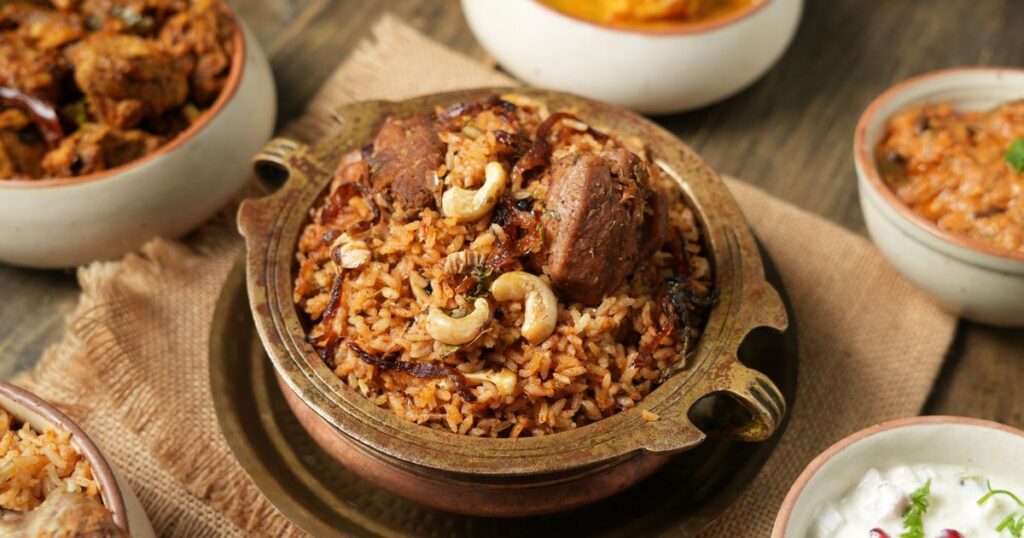
To start a cloud kitchen business in India in 2026, you need a commercial cooking space, an FSSAI licence, GST registration, a delivery-only menu, and listings on Zomato and Swiggy. Budget roughly Rs 3-15 lakh depending on whether you share a kitchen or build your own. The whole thing can be live in about a month.
That is the short version. The longer version, the one that decides whether you are still running in year two, is mostly about the boring stuff: licences, unit economics, and a few mistakes that look harmless until they quietly drain your account. Let us walk through all of it.
If you are weighing a dine-in format instead, our guide on how to open a restaurant in India covers licences, location and startup costs for a full-service setup.
What Is a Cloud Kitchen, and Why Is Everyone Starting One in 2026?
A cloud kitchen (also called a dark kitchen or delivery-only kitchen) is a food business with no dine-in seating. You cook, you pack, and a delivery rider takes it away. There is no waiter, no fancy frontage, no prime-location rent eating 25% of your revenue every month. Every rupee goes into the food and the marketing.
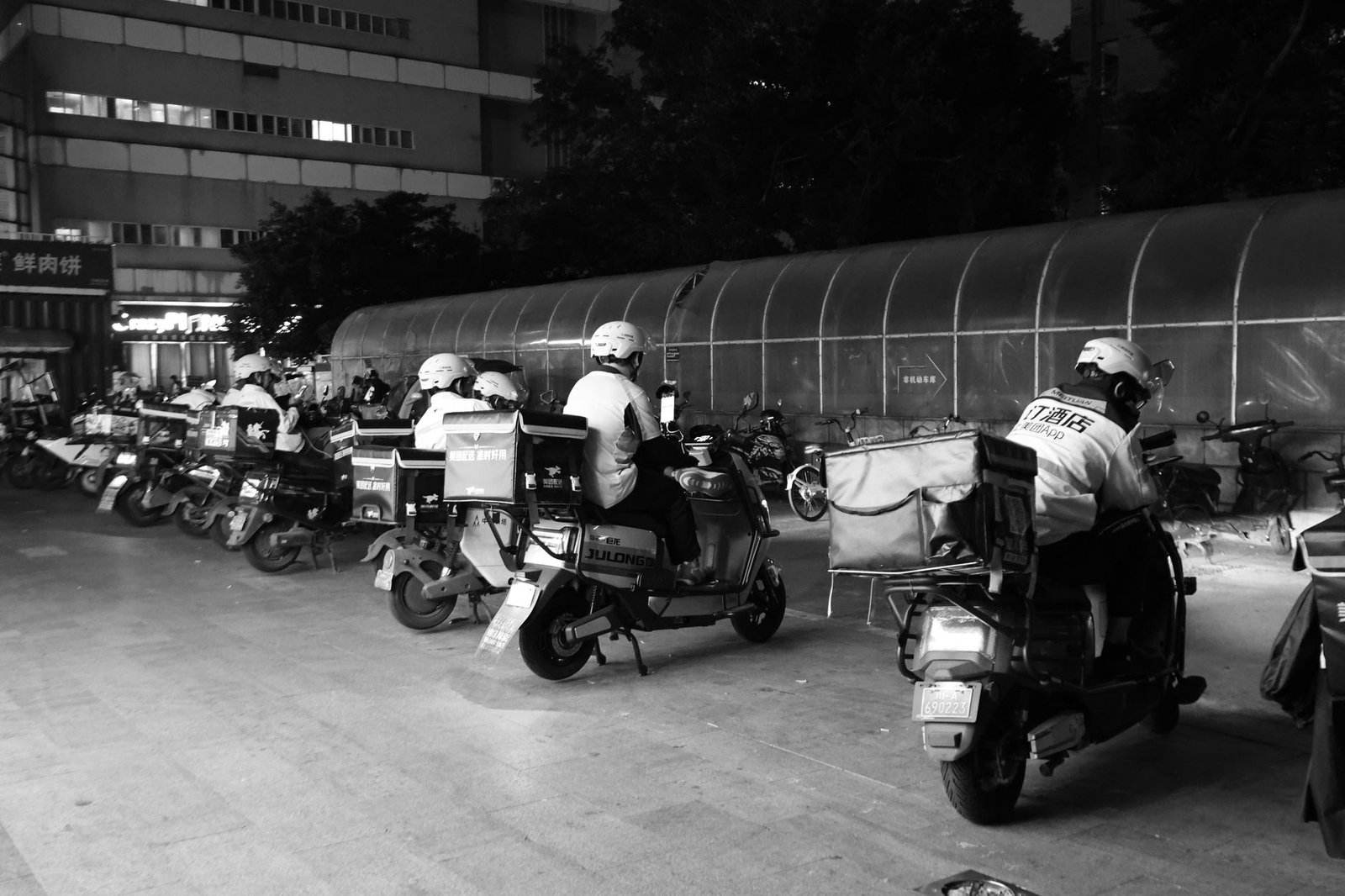
The reason 2026 is a good year to start one is simple: the demand is there. India’s online food delivery market was valued at around USD 31.77 billion in 2024 and is projected to cross USD 140 billion by 2030. The cloud kitchen segment alone is heading toward the Rs 5,000 crore mark. People order in more often, from more brands, at more hours of the day than they did even three years ago. A small operator with a tight menu and good packaging can serve thousands of orders a month out of a 250 sq ft room in a back lane, no signboard required.
If some of the terms in this guide feel unfamiliar, our restaurant operations glossary breaks down everything from AOV to FoSTaC in plain language.
How Much Does It Cost to Start a Cloud Kitchen in India?
Here is where most “how to start cloud kitchen” articles wave their hands. Let us be specific instead. The total upfront cost for a cloud kitchen in India in 2026 runs between Rs 3 lakh and Rs 15 lakh. The spread is wide because it depends almost entirely on one decision: do you rent space in a shared kitchen, or build your own from scratch?
| Cost head | Shared / small setup | Standalone kitchen |
|---|---|---|
| Kitchen space (rent + deposit) | Rs 20,000-40,000/mo | Rs 60,000-1,00,000/mo |
| Equipment (burners, chimney, fridge, storage) | Rs 1,00,000-2,00,000 | Rs 2,50,000-5,00,000 |
| Licences (FSSAI, GST, trade, fire) | Rs 5,000-15,000 | Rs 10,000-25,000 |
| Tech (POS, aggregator onboarding, billing) | Rs 10,000-25,000 | Rs 25,000-50,000 |
| Initial raw material + packaging | Rs 40,000-75,000 | Rs 75,000-1,50,000 |
| Branding, photography, listings | Rs 20,000-50,000 | Rs 50,000-1,00,000 |
A tier-2 city shared kitchen can put you live for under Rs 3 lakh. A standalone metro kitchen with multiple brands runs to Rs 12-15 lakh. The smart move for a first-timer is to start small, prove the menu sells, then reinvest. Keeping a close eye on your raw-material ratios from day one matters more than the size of your fit-out, and our guide on managing food costs without cutting quality is worth reading before you sign any supplier contract.
What Licenses Do You Need to Open a Cloud Kitchen?
You cannot legally cook for sale in India without an FSSAI licence, and aggregators will not list you without one. This is non-negotiable, so handle it first.
The Food Safety and Standards Authority of India (FSSAI) issues three tiers based on your turnover. Most cloud kitchens start on the State Licence. You apply online through the FoSCoS portal, and the licence typically arrives in anywhere from 10 days to a few weeks. Get the FSSAI piece exactly right at the start, because renewing it late is painful and expensive. Our FSSAI licence and renewal checklist covers the full process, fees, and the deadline traps people fall into.
Beyond FSSAI, here is the standard licence stack for a cloud kitchen:
- FSSAI Registration or State Licence — mandatory, turnover-dependent.
- GST registration — required once you cross the threshold, and aggregators deduct TCS regardless.
- Trade licence from your municipal corporation.
- Fire safety NOC — needed in many states once you run commercial gas lines.
- Shop and Establishment registration if you employ staff.
Do not treat licences as paperwork to rush. A surprise inspection is a real possibility, and a missing or expired document can shut you down on the spot. If your kitchen is also a registration-from-scratch situation, our step-by-step cloud kitchen registration guide walks through each form in order.
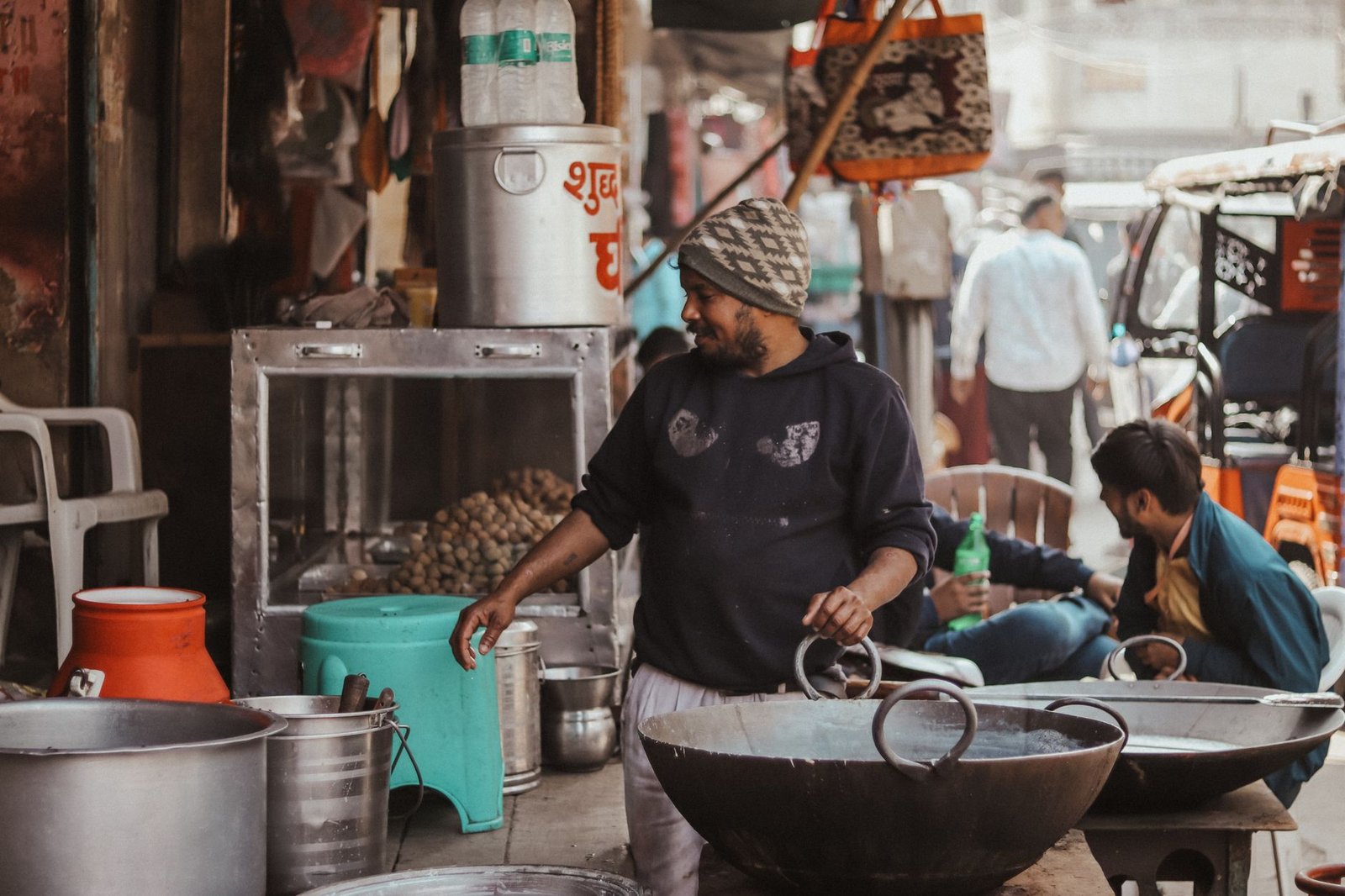
How Do You Set Up a Cloud Kitchen Step by Step?
Once your licences are in motion, the build-out is fairly linear. Here is the order that wastes the least time and money.
- Lock your concept and menu first. Pick one cuisine you can execute brilliantly with 12-18 items. A focused biryani-and-kebab menu beats a 60-item “multi-cuisine” mess every time. Fewer SKUs means less wastage and faster tickets.
- Choose your location for logistics, not footfall. Nobody walks in. What matters is being within a 4-6 km delivery radius of dense residential demand, with reliable power and water.
- Set up the kitchen and equipment. Commercial burners, exhaust, refrigeration, prep tables, and storage. Buy second-hand where it makes sense; spend on refrigeration and exhaust where it does not.
- Get your licences in hand. FSSAI, GST, trade licence, fire NOC. Display the FSSAI number; aggregators ask for it.
- Sort your packaging before your first order. This is the part founders underestimate. Cloud kitchens in Bengaluru can source disposable plates in Bangalore in bulk from Chuk, delivered citywide. Food that arrives leaking or soggy gets a one-star review no matter how good it tasted leaving your kitchen.
- List on Zomato and Swiggy, and open a direct channel. Professional photos, clear descriptions, honest prep times. A weak listing throttles your orders before customers ever taste the food — our walkthrough on 9 fixes that improve a Zomato listing in 15 minutes is a quick win here.
- Soft-launch, gather reviews, then push marketing. Get your first 50 orders right before you spend on ads. Early ratings shape your ranking for months.
A quick word on step five, because it is the one people learn the hard way: packaging decides your ratings as much as the recipe does. A curry that tips over in transit, or a container that warps under hot food, becomes a refund and an angry review. Plenty of delivery-first brands have switched to sturdy compostable bagasse containers (Chuk being one of the options) precisely because they hold hot, oily Indian food without leaking and double as a small sustainability story for the listing. It is a Rs 4-6 per-unit decision that protects a Rs 350 order. When you are ready to compare options, you can browse Chuk’s range here.
Is a Cloud Kitchen Profitable in India?
Yes, a well-run cloud kitchen in India is profitable, typically at a 20-40% gross margin, but the net number depends heavily on how much of your revenue the aggregators take. This is the question that decides whether you survive, so let us put real figures on it.
A healthy small cloud kitchen doing roughly Rs 3,00,000 in monthly revenue, with about Rs 2,20,000 in total costs (food, rent, packaging, staff, commissions), nets around Rs 80,000 a month. That is a solid return on a Rs 3-5 lakh setup. But notice the silent line item: aggregator commissions of 18-30% per order. On a Rs 300 order, Zomato or Swiggy may keep Rs 60-90 before you account for the discount you funded to win the order in the first place.
That is why the founders who win in 2026 obsess over two things: building a direct-ordering channel to escape commission on repeat customers, and ranking high enough organically that they stop paying for every order. Our guide on how to rank higher on Zomato and Swiggy is the cheapest growth lever you have, because organic orders carry no extra ad cost.
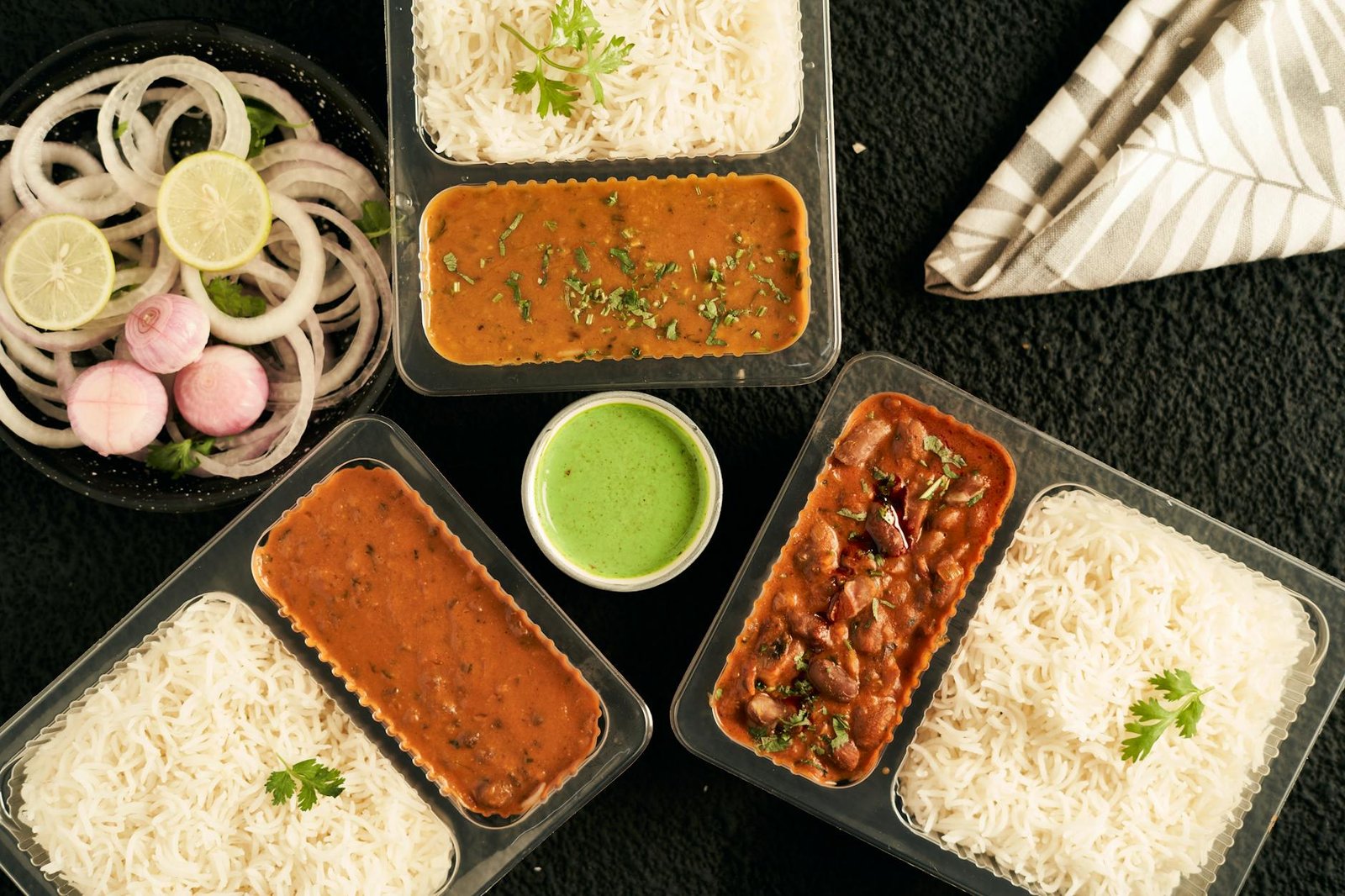
How Do You Win Your First 100 Orders Without Burning Cash?
Your first hundred orders are not about scale, they are about ratings. A cluster of early five-star reviews tells the Zomato and Swiggy algorithms that your kitchen is worth showing, and that ranking is what feeds you cheap, organic orders for months afterward. So spend your energy here, not on a big ad budget.
Start by getting friends, family, and your immediate locality to order in the first week, and make every one of those orders flawless. Time the launch around demand: weekends, match days, and festivals all bring a spike of hungry, ready-to-try customers. A delivery-only brand that leans into seasonal cravings — think cooling drinks and combos in peak summer, the way we mapped out in our high-margin summer beverages guide — can ride those waves without paying for reach. Add a small handwritten thank-you note or a free add-on for the first orders, and you turn one-time triers into the repeat customers who actually make a cloud kitchen profitable.
Only once you are consistently hitting 4.3-plus ratings should you switch on paid promotion. Buying visibility for a kitchen that is still ironing out its packaging or prep times just pays to show customers your worst version.
Should You Buy a Cloud Kitchen Franchise or Build Your Own?
If cooking and brand-building are not your strengths, a franchise can shortcut the learning curve. Among the names people search for in any “top 10 cloud kitchen franchise in India” list, you will find established multi-brand operators that hand you recipes, supply chains, and a ready customer base in exchange for a franchise fee and a royalty cut.
The trade-off is real. A franchise gives you a proven menu and brand recognition, but it takes a slice of margins you might have kept, and you cook to someone else’s rules. Building your own brand is slower and riskier, but every customer and every rupee of brand equity is yours. For a first-time operator with limited capital and no kitchen experience, a franchise lowers the failure risk. For someone with a genuine food edge, your own brand almost always pays better over three years.
What Mistakes Sink Most Cloud Kitchen Founders?
The businesses that fail rarely fail because of bad food. They fail on the unglamorous things. Here are the patterns that show up again and again.
- Over-relying on aggregators. When 100% of orders come through Zomato and Swiggy, you do not own your customers, and a commission hike or a ranking dip can halve your revenue overnight. Build a direct channel early. Quick-commerce apps are a third channel worth understanding before you lean on any one of them — our explainer on Bistro by Blinkit covers how it works and what listing on it means for a kitchen.
- Ignoring packaging. A great dish that arrives ruined is a refund, a bad review, and a customer who never returns. Packaging is part of the product, not an afterthought.
- Menu sprawl. Forty items across five cuisines means slow tickets, high wastage, and a kitchen that does nothing brilliantly. Stay narrow.
- Underpricing to chase orders. Discounts win the first order; they do not build a business. Know your unit economics before you run a single offer.
- Skipping the boring compliance. An expired FSSAI licence or a missing fire NOC can end you in a single inspection.
Get those five right and you are already ahead of most of the market.
Frequently Asked Questions
How much does it cost to start a cloud kitchen in India in 2026?
Expect Rs 3-15 lakh upfront. A shared-kitchen setup in a tier-2 city can go live for under Rs 3 lakh, while a standalone metro kitchen running multiple brands can reach Rs 12-15 lakh. The biggest variables are rent, equipment, and how much you spend on branding and photography before launch.
Is a cloud kitchen profitable in India?
Yes, most well-run cloud kitchens operate at 20-40% gross margins. A kitchen doing Rs 3,00,000 in monthly revenue against roughly Rs 2,20,000 in costs nets around Rs 80,000 a month. Profitability hinges on controlling food costs and reducing dependence on aggregator commissions of 18-30% per order.
Do I need an FSSAI licence for a cloud kitchen?
Yes, an FSSAI licence is mandatory for every food business in India, including delivery-only kitchens. You apply online through the FoSCoS portal, and aggregators will not list you without a valid FSSAI number. Most cloud kitchens start on the State Licence based on their turnover.
How long does it take to set up a cloud kitchen?
With licences in motion, a focused cloud kitchen can be live in about three to five weeks. The FSSAI licence itself takes 10 days to a few weeks, which is usually the longest single wait, so apply for it first.
Is it better to buy a cloud kitchen franchise or start my own brand?
A franchise lowers risk for first-timers by providing a proven menu, brand, and supply chain, but it takes a royalty cut. Building your own brand is slower and riskier but keeps all the margin and brand equity. Choose a franchise if you lack kitchen experience; build your own if you have a real food edge.
In a Nutshell
Starting a cloud kitchen business in India in 2026 is genuinely within reach: a tight menu, an FSSAI licence, the right packaging, and a smart listing strategy can put you in business for as little as Rs 3 lakh. The opportunity is real and growing. The founders who last are not the ones with the fanciest kitchens, they are the ones who get the licences right, watch their unit economics like hawks, refuse to let bad packaging undo good cooking, and slowly wean themselves off aggregator dependence. Start small, prove the food sells, and reinvest. The rest is just consistency.
Sorting your packaging before the first order goes out?
Chuk’s compostable delivery containers are leak-proof and heat-stable, so the food lands the way it left your kitchen. Or grab a sample box and test them with your own menu first.