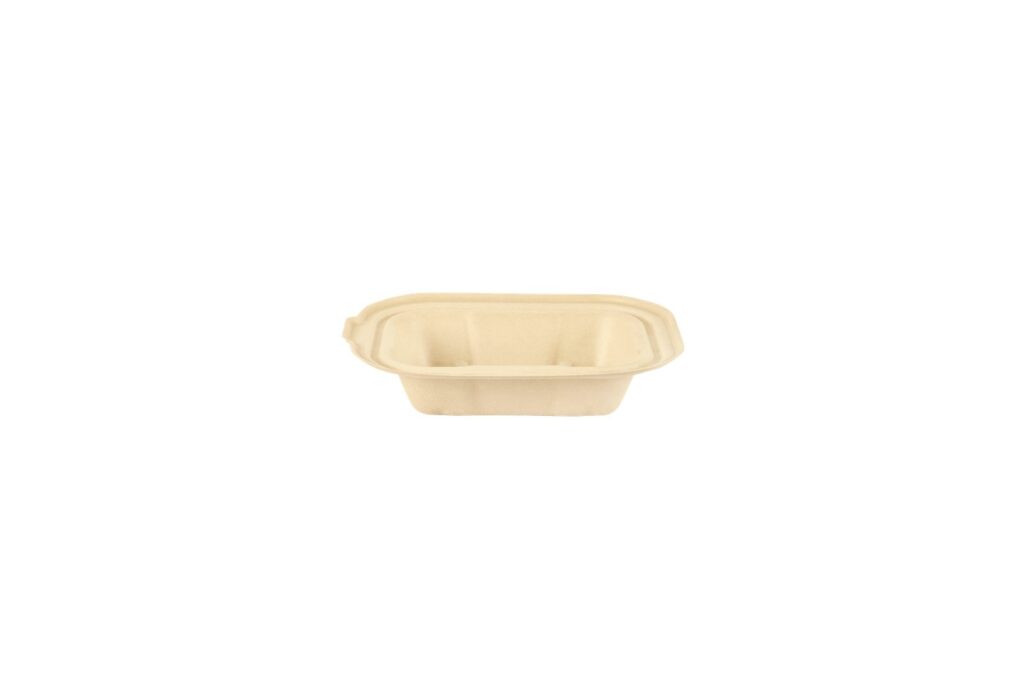
Takeaway food arrives like dine-in when the packaging does three jobs at once: holds heat, stops leaks, and vents steam so nothing goes soggy. Match the container to the dish, pack gravies and crisp items separately, seal before the food travels, and most delivery complaints disappear before they start.
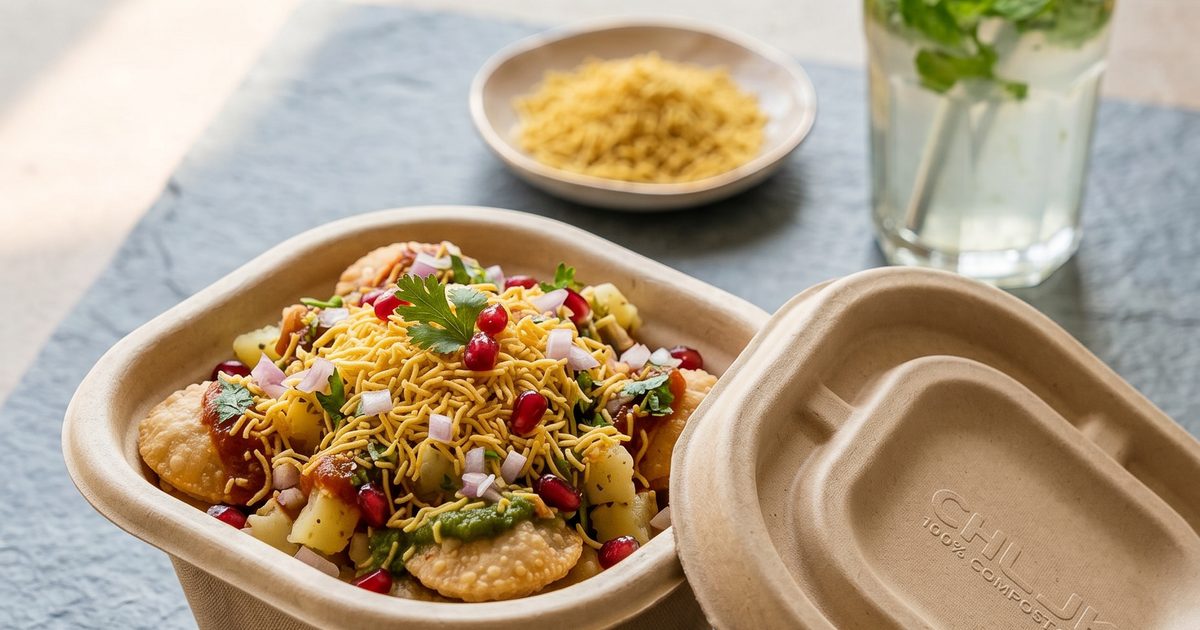
Most kitchens obsess over the recipe and treat the box as an afterthought, which is backwards. The customer never tastes your reduction technique if the lid pops in a delivery bag and the curry ends up on the rider’s seat. Packaging is the last thirty seconds of your kitchen and the first thirty seconds of the customer’s meal, and on a delivery order it is the only part of the experience they touch before the food. Getting it right is cheaper than a single refund and it is almost entirely within your control, unlike traffic, rider allocation or the aggregator economics we broke down for Swiggy and Zomato.
What makes takeaway food packaging actually work?
Good takeaway packaging manages four enemies, and every packing decision traces back to one of them. Heat loss makes food arrive lukewarm. Trapped steam turns anything fried or crisp into a limp disappointment within ten minutes. Leaks ruin the order and the delivery bag. And crushing collapses the presentation you plated so carefully. A container that solves one while ignoring the others is not solving the problem, which is why the cheapest box is rarely the cheapest decision once refunds are counted.
The trade-off that trips up most owners is heat versus steam. Seal a hot biryani airtight and you keep the heat but steam-cook the rice into mush; leave it open and it cools. The answer is a container that holds temperature while venting a little moisture, and then pairing it with how you pack rather than expecting the box to do everything. Our restaurant operations glossary defines the material terms you will see on supplier spec sheets, so you are comparing like for like rather than marketing words. Separating components is the other half of the job, and it costs nothing but a second container.
How do you pack food for delivery so it doesn’t leak or go soggy?
Work through the order in this sequence and leaks and sogginess mostly stop being your problem:
- Match the container to the dish first. Gravies and dals need a deep, round, leak-resistant container with a locking lid. Dry items and rice need a flat, wide base. Crisp items need airflow, not a sealed box.
- Keep wet and dry apart. Never pour curry over rice in the same compartment for delivery. Pack gravies in their own sealed container and let the customer combine at home, exactly as they would at your table.
- Give fried food a vent. Samosas, pakoras, fries and dosas should travel in a container with a small vent or a paper liner that absorbs steam. A fully sealed lid is what turns a crisp pakora into a soft one.
- Seal before it moves, not after. Press-fit or lock every lid at the pass and check it with a light shake before the bag leaves. A lid that is “mostly on” is a leak in transit.
- Fill to the line, not the brim. Overfilled containers force the lid open under the first bump. Leave a finger’s width of headroom.
- Immobilise the order in the bag. A rattling container tips. Pack snugly, keep it flat, and use a paper bag or insert so nothing slides on a two-wheeler.
That sequence is the whole discipline. It is worth writing on a laminated card by the packing station, because on a busy Friday the person boxing orders is often the newest member of staff, and a leak from a rushed lid costs you the same one-star review whether the kitchen was brilliant or not.
| Dish type | Container to use | Packing technique |
|---|---|---|
| Gravies, dals, curries | Deep round container, locking lid | Fill to line, seal, pack upright |
| Rice, biryani, pulao | Wide flat container | Keep separate from gravy, vent lid slightly |
| Fried and crisp items | Vented container or paper liner | Never fully seal; let steam escape |
| Rotis, parathas, naan | Foil-free paper wrap or flat box | Wrap warm, keep flat, away from gravies |
| Desserts, mithai, curd | Small rigid container | Pack last, on top, never under heavy items |
| Beverages | Sealed cup with dome or flat lid | Upright, in a separate holder or corner |
Which container should you use for which dish?
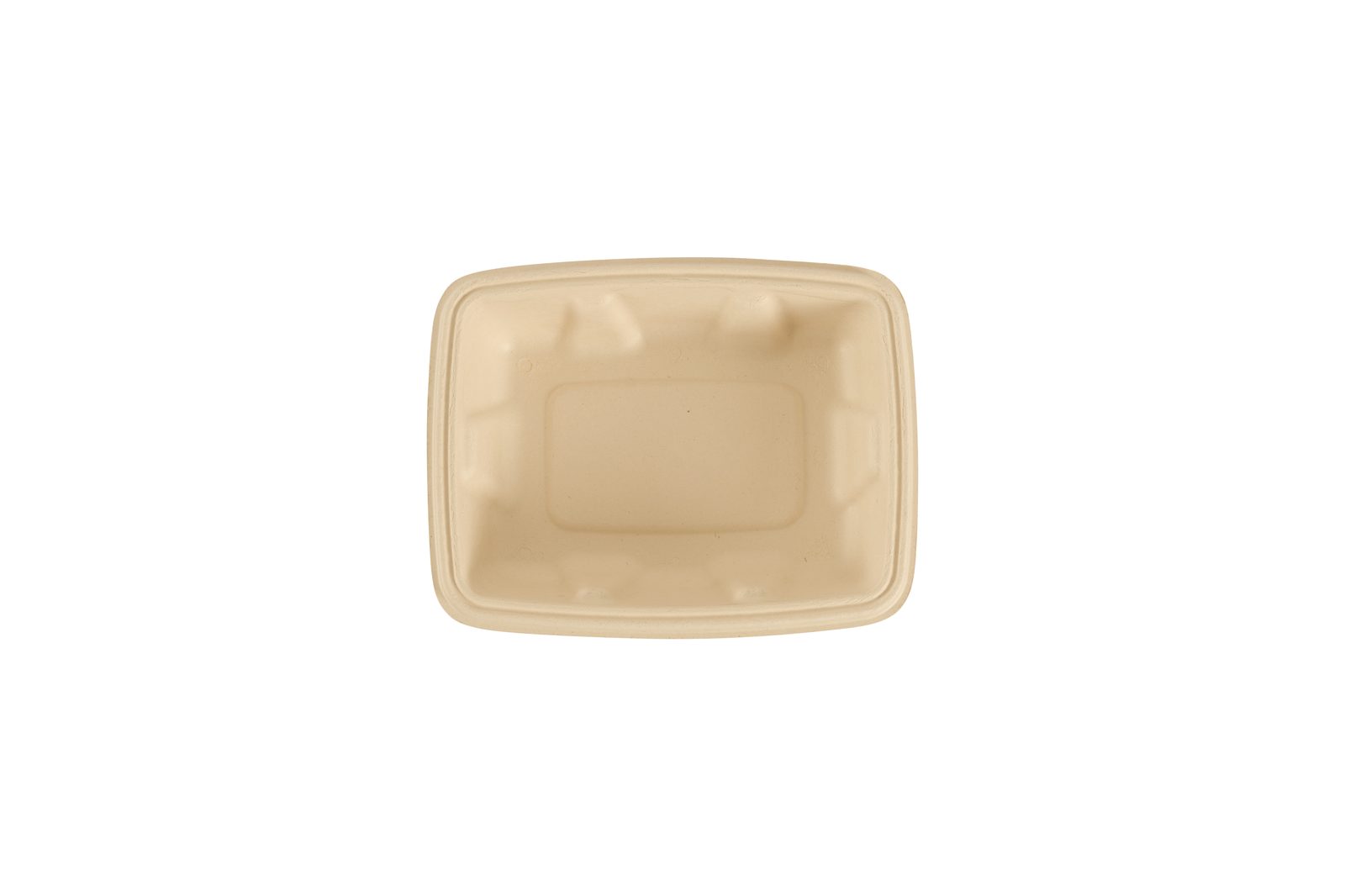
The honest answer is that no single container does everything, and trying to standardise on one size to simplify ordering is a false economy that shows up in your ratings. A delivery-heavy kitchen needs a small range: a deep round container for anything with gravy, a wide flat one for rice and dry mains, a vented option for fried food, and small rigid tubs for desserts and chutneys. Four formats cover almost every Indian menu, and buying them as a set keeps your packing station fast because the staff are not hunting for the right box mid-rush. If you run a delivery-first model where every rupee of packaging lands on every order, our guide to starting a cloud kitchen business in India works through how to cost packaging into your unit economics from day one.
Material matters as much as shape. Bagasse (sugarcane-fibre) containers hold heat well, handle oil and gravy without going soft, and take a hot lid without warping, which is why they have largely replaced flimsy plastic and thermocol for hot Indian food. They also sidestep the plastic rules covered further down. Whatever you choose, test it with your actual food on a real delivery route before you commit to a pallet, because a container that performs on the counter can still fail on a forty-minute monsoon ride.
Does packaging quality really affect your delivery ratings?
More than almost anything else you can fix in an afternoon. Delivery ratings punish leaks, cold food, sogginess and collapsed lids far harder than they punish a slightly slow kitchen, because a bad unboxing is the customer’s whole memory of the order. A diner who has one curry leak in the bag does not blame the rider or the road; they blame you, they leave the review, and they drift back to the app where refunds are one tap away. Refunds for spilled or cold food also come straight off your payout, so poor packaging is a double cost: the lost order value and the lost repeat customer. This is the same reason packaging quality and platform economics are more connected than they look, and why fixing your boxes often lifts ratings faster than fixing your menu.
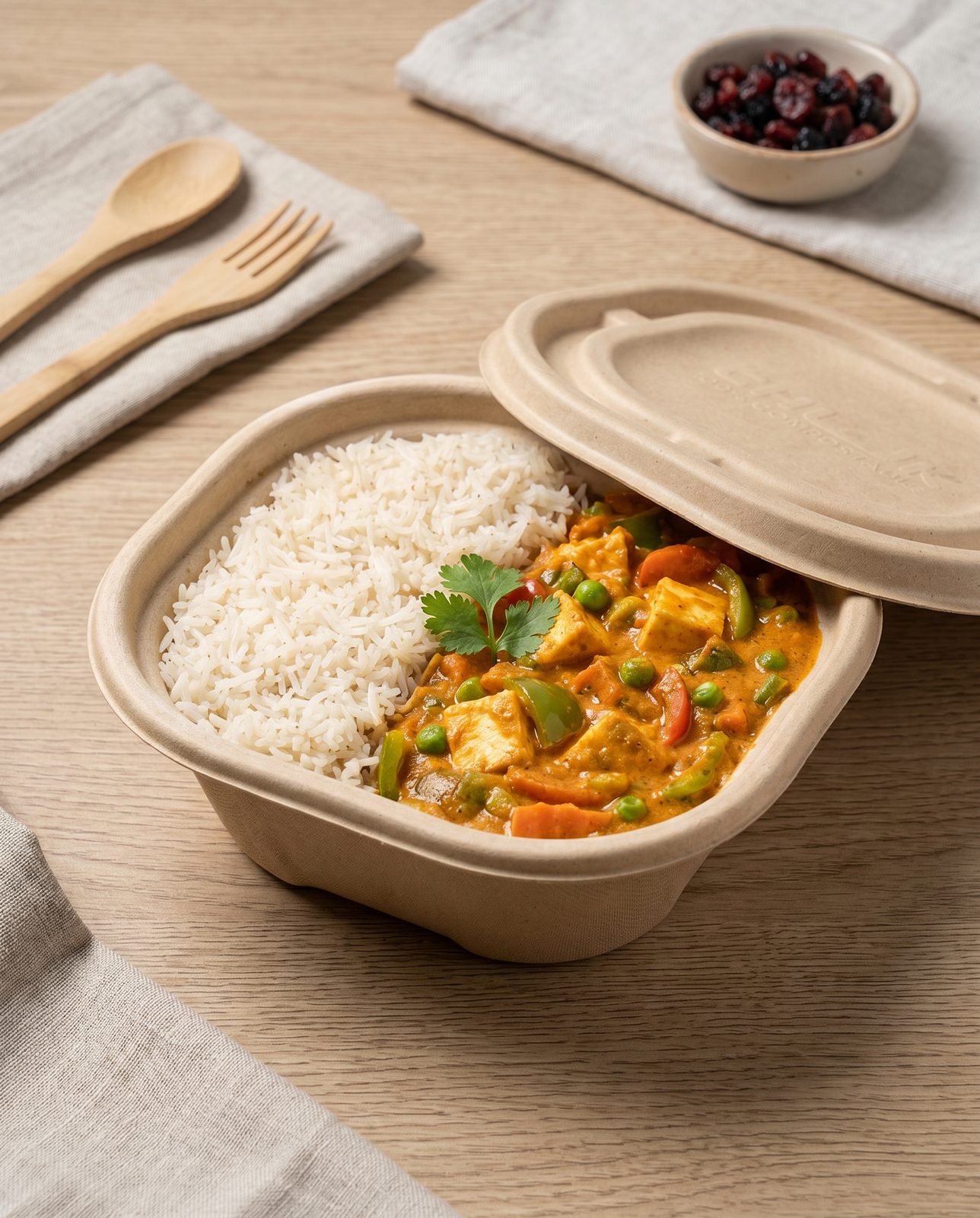
There is a retention angle too. The first direct order a customer places is a leap of faith; whether they place a second one is decided largely by whether the first arrived intact. Plenty of kitchens have switched to compostable bagasse delivery containers for exactly this reliability (Chuk being one of the options), which has the side benefit of keeping them clear of single-use plastic rules. If your ratings are slipping and you have already worked through the nine fixes that lift a Zomato listing, packaging is very often the invisible line item dragging the score down.
Is your takeaway packaging compliant with India’s plastic rules?
This is where a lot of kitchens are quietly exposed. India’s ban on identified single-use plastic items has been in force since 1 July 2022 under the Plastic Waste Management Rules notified by the Ministry of Environment, Forest and Climate Change, and enforcement has tightened city by city since. Plastic cutlery, stirrers and thin carry bags are squarely in scope, and several states have gone further on food-contact plastics. Running takeaway on banned packaging is not just a fine risk; it is an aggregator risk, because platforms increasingly ask for compliant packaging and a violation can affect your listing.
Food safety rules stack on top of the plastic ones. Packaging that touches food must meet the Food Safety and Standards (Packaging) Regulations enforced by the FSSAI, which set out which materials are permitted in direct contact with food and require that packaging not transfer anything harmful into it. The practical takeaway is that your container has to clear two bars at once: legal to use, and safe for hot, oily food. Bagasse and other compostable fibre packaging generally clears both, which is part of why it has become the default for delivery. Keep this in view alongside your licence paperwork, because the FSSAI licence renewal checklist and your packaging compliance tend to get audited in the same breath, and there is a broader case for eco-friendly packaging being the future of food takeaway in India that goes well beyond avoiding penalties.
Frequently asked questions
How do I stop curry and gravy from leaking during delivery?
Use a deep, round container with a locking or press-fit lid, fill only to the line with a finger’s width of headroom, seal it at the pass and check with a light shake before the bag leaves. Pack gravies in their own container rather than poured over rice, and keep the container upright and snug in the bag so it cannot tip.
How do I keep fried food crisp for delivery?
Do not seal it airtight. Fried and crisp items need a vented container or a paper liner that absorbs steam, because trapped moisture is what turns a crisp pakora or dosa soft within minutes. Pack fried items separately from anything with gravy or steam.
What is the best packaging material for hot Indian food?
Bagasse (sugarcane-fibre) containers are widely used for hot Indian food because they hold heat, resist oil and gravy without softening, take a hot lid without warping, and comply with plastic-ban rules. Test any material with your actual dishes on a real delivery route before committing to bulk.
Is plastic food packaging still legal for restaurants in India?
Identified single-use plastic items such as cutlery, stirrers and thin carry bags have been banned since 1 July 2022 under the Plastic Waste Management Rules, and several states restrict more. Food-contact packaging must also meet FSSAI packaging regulations. Compostable fibre packaging avoids both problems.
Does better packaging actually improve my delivery ratings?
Yes. Leaks, cold food and sogginess drive far more low ratings and refunds than a slightly slow kitchen, and refunds come off your payout directly. Reliable packaging protects both the rating and the repeat order, which is why it is often the fastest rating fix available.
In a nutshell
Takeaway food arrives like dine-in when the packaging holds heat, stops leaks and vents steam, and when your team packs to a fixed sequence instead of improvising under pressure. Match the container to the dish, keep wet and dry apart, give fried food a vent, seal before the food moves, and immobilise the order in the bag. Keep a small range of the right formats rather than one compromise box, choose a material that is both legal under India’s plastic rules and safe for hot food, and test everything on a real route before you buy in bulk. Do that and packaging stops being your top source of one-star reviews and quietly becomes the reason customers order again.
The box decides whether they order a second time
However the order comes in, the container is what the customer touches first and remembers longest. CHUK’s compostable bagasse delivery containers hold heat, resist leaks and gravy, take a hot lid without warping, and keep you clear of single-use plastic rules.
Browse delivery containers | Order a sample box | Get pricing on WhatsApp