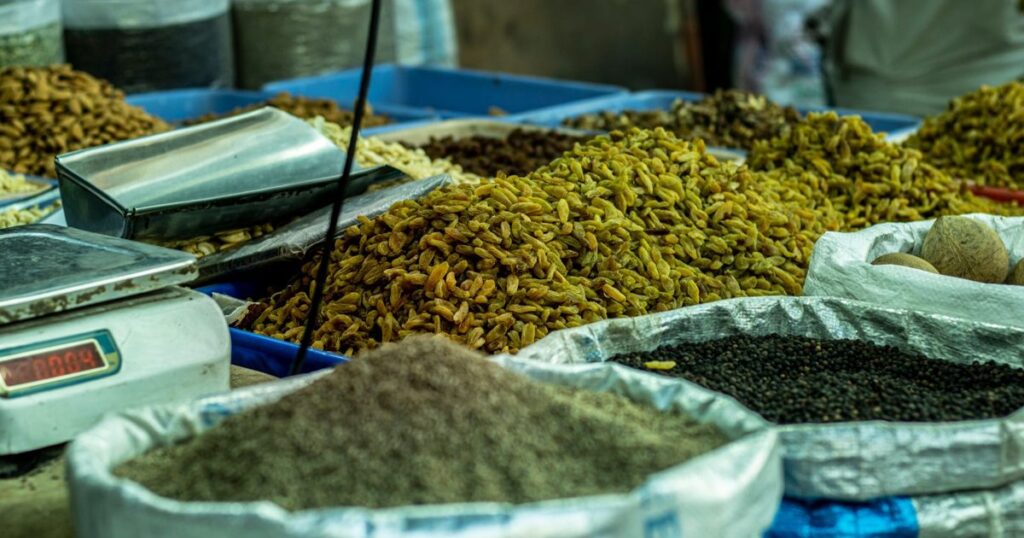
To recover your restaurant profit margin after Diwali, spend the next seven days on one job a day: count what is left, work out October’s food cost percentage, cut the festive dishes that did not earn, reprice with suppliers, clear leftover stock, check delivery costs, and book the wedding-season orders. Together they show you where the festival month’s money went.
What does a post-Diwali margin reset look like, day by day?
Diwali fell on Sunday 8 November this year, with Bhai Dooj on 10 or 11 November depending on your panchang. The week after is the quietest you will get before weddings pick up after Dev Uthani Ekadashi on 20 November, so use it.
| Day | Job | What you finish with |
|---|---|---|
| 1 | Count leftover stock | A closing-stock sheet with rupee values |
| 2 | Work out October’s food cost percentage | One number per category, compared with your target |
| 3 | Review the festive menu | A keep, rework or drop call on every special |
| 4 | Reset supplier prices and order sizes | New par levels and two quotes for your top five items |
| 5 | Clear leftover stock and packaging | A use-by plan for every line over two weeks old |
| 6 | Check delivery and aggregator costs | Net margin per order on your top ten delivery dishes |
| 7 | Plan the next demand window | Wedding-season and Chhath order prices on paper |
Why does restaurant profit margin drop after Diwali?
Restaurant profit margin usually drops in the weeks after Diwali because the festival month inflates three costs at once and the bills land after the sales have gone. Ghee, khoya, dry fruits and sugar cost more in October, and most kitchens buy them in bulk without a fresh quote. Staff work overtime or get festival bonuses, which sit in the same month as the rush. Packaging, gift boxes and decorations get ordered for a peak that may not fully arrive, so some of that spend sits on a shelf as dead stock. Then footfall falls in the second week of November as families eat at home, travel or fast, and the fixed costs of rent, salaries and electricity are spread over fewer covers. A healthy festival sales figure can hide a thin month, and you only see it once costs and sales sit on the same sheet.
Day 1: How do you count leftover stock after the festival?
Start with a physical count of everything in the store, the cold room and the bar, and put a rupee value next to each line using the last purchase price. It is dull work, but you need the closing stock for October. Without it, every food cost figure you calculate on Day 2 is a guess.
Count in this order, so the expensive and perishable items get checked first:
- Dairy and sweets: paneer, khoya, cream, ghee, and any mithai still on the counter.
- Dry fruits and spices: cashew, almond, kishmish, saffron, cardamom, which are high value and easy to lose track of.
- Oils and flours: refined oil, mustard oil, maida, besan, atta.
- Meat and frozen stock, with the date each lot came in.
- Beverages and bar stock.
- Packaging, gift boxes and disposables.
Mark anything older than two weeks in red. If terms like par level, FIFO or closing stock are new to your team, our restaurant operations glossary explains each one in a line.
Day 2: What is your real food cost percentage for October?
Food cost percentage is the share of your food sales that went on the ingredients used to make that food. The formula is simple: opening stock, plus purchases, minus closing stock, divided by food sales, times 100. Most Indian restaurants aim for somewhere around 28 to 35 percent, though a sweet shop or a fine-dine kitchen will sit outside that range. Compare your own October figure with your own September figure; the gap between them is roughly what the festival cost you. If September was 31 percent and October came in at 38, then seven of every hundred rupees of food sales went somewhere they did not go the month before. That is usually price rises you did not pass on, waste from overbuying, free sweets given to regulars, and staff meals that grew during long shifts. Work it out per category and the culprit tends to show itself.
Here is a worked example for a 60-cover restaurant. The numbers are illustrative, so swap in your own:
| Line | September | October |
|---|---|---|
| Opening stock | Rs 1,20,000 | Rs 1,15,000 |
| Purchases | Rs 3,40,000 | Rs 5,10,000 |
| Closing stock | Rs 1,15,000 | Rs 1,85,000 |
| Food cost used | Rs 3,45,000 | Rs 4,40,000 |
| Food sales | Rs 11,10,000 | Rs 11,60,000 |
| Food cost percentage | 31.1% | 37.9% |
Sales went up by Rs 50,000 while food cost went up by Rs 95,000, so the busier month left less on the table. For a longer look at day-to-day food cost control, see our guide on managing food costs without compromising quality.
Day 3: Which festive menu items should you keep?
Pull the October sales report and list every festive special next to its plate cost and the number sold. Then sort each dish into one of three calls:
- Keep: sold well and the plate cost is under your target. Move it to the regular menu or bring it back for weddings and Christmas.
- Rework: sold well but costs too much. Cut the portion of the expensive ingredient, change the garnish, or raise the price by Rs 20 to 30.
- Drop: sold badly, whatever the cost. Do not keep it to use up ingredients bought for it.
Sweets need a separate look. If you sold mithai boxes, check which sweets in the box cost the most per piece against how often customers asked for them. A kaju katli that costs three times as much as a besan laddoo has to sell a lot more easily to earn its place in next year’s box.
Day 4: How do you reset supplier prices after the festive peak?
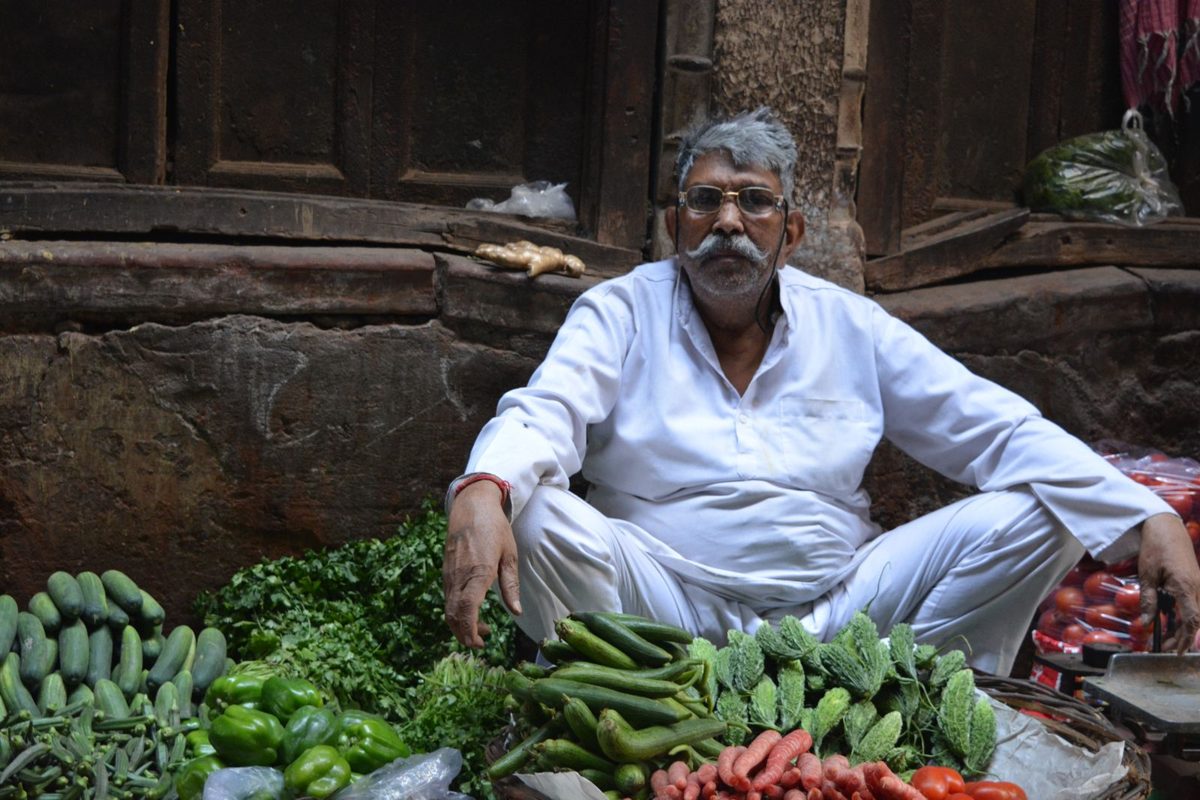
Suppliers raise prices before Diwali and are slower to bring them back down. Take your top five purchase items by rupee value (usually oil, paneer, ghee, onion and one meat or dry fruit line) and get two fresh quotes for each. A second quote is often enough to bring your regular supplier back to September rates, so you may not need to switch at all.
Then reset your par levels. A par level is the stock you need to cover service until the next delivery, plus a small buffer. Festival par levels were set for festival covers. If you keep ordering to them in a slow November, the extra goes to waste. Cut each par back to your September usage, and raise it again in steps as wedding orders come in.
Day 5: What should you do with leftover stock and packaging?
Go back to the red-marked lines from Day 1 and give each one a use-by plan. Leftover khoya and dry fruits can go into a winter dessert special, such as gajar halwa or dry fruit kheer. Extra paneer can become a lunch combo. Surplus atta and besan last, so they only need to come off the next order. For anything that is close to going off, our restaurant food waste management guide covers tracking, portioning and what to do with food you cannot sell.
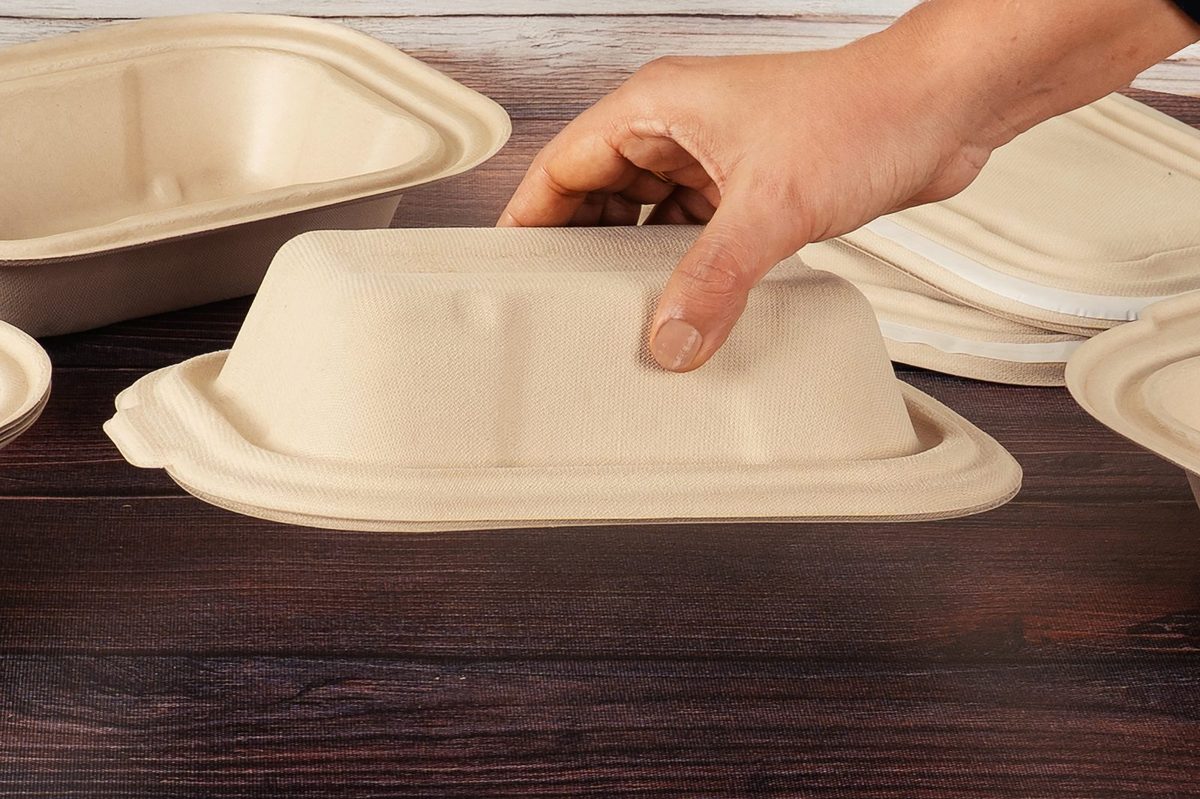
Packaging is the line most restaurants forget to count. Count delivery containers, gift boxes, carry bags and plates against your normal weekly use. If you are holding six weeks of stock, stop ordering until it runs down. If you are about to restock anyway, it is a good point to check whether your containers leaked or went soggy during the rush, because those complaints cost you ratings. Some restaurants use the slow week to trial compostable bagasse containers, such as Chuk’s, before the wedding and party season starts. Our takeaway food packaging guide compares the options by dish type.
India’s households already waste around 55 kg of food per person each year, according to the UNEP Food Waste Index Report 2024. Restaurants add to that figure, and every kilo that leaves your kitchen in a bin was paid for at October prices. If you donate surplus food, follow the FSSAI rules on the recovery and distribution of surplus food and donate only what is still safe to eat.
Day 6: How much are delivery orders really earning you?
Delivery volume often stays high after Diwali while dine-in drops, so delivery margins matter more this month. Take your ten best-selling delivery dishes and work out the net margin on each: menu price, minus the aggregator commission and fees on your statement, minus the discount you funded, minus food cost, minus packaging. Some dishes that look like best sellers make close to nothing once the festive discount is included.
End any festival discount that is still running, and move the dishes with thin margins off the top of your listing. If a large share of your orders comes through apps, our cloud kitchen business guide breaks down the commission and cost structure in more detail.
Day 7: How should you plan for the wedding season and Chhath orders?
The reset is also about the next six weeks. Weddings resume after Dev Uthani Ekadashi on 20 November, and Chhath runs from about 13 to 16 November in most calendars, which brings prasad and thekua orders in North India. Price your bulk and catering orders now, while your October costs are fresh, and build the new supplier rates into the quote.
Two lists help with this. Our Indian wedding food menu list sets out 50 dishes by course for pricing small functions, and our Chhath puja prasad list covers what sweet shops and caterers prepare. After that, the next peaks are office parties, Christmas and New Year’s Eve, so put your corporate party packages on paper before the end of November.
Frequently asked questions
What is a good restaurant profit margin in India?
Net profit margins for Indian restaurants commonly sit in single digits to the low teens, depending on format, rent and how much comes through aggregators. Track your own month-on-month figure rather than chasing an average.
How do you calculate food cost percentage?
Add opening stock and purchases, subtract closing stock, divide by food sales and multiply by 100. Work it out for each category as well as overall.
How often should a restaurant do a stock count?
Count high-value and perishable items weekly and do a full count at month end. After a festival, do a full count straight away, because ordering patterns change so sharply.
Should I keep my Diwali specials on the menu?
Keep the ones that sold well at a healthy plate cost. Rework the ones that sold well but cost too much, and drop the rest.
In a Nutshell
The week after Diwali is your chance to see what the festival actually earned. Count your stock, work out October’s food cost percentage against September’s, sort the festive menu into keep, rework and drop, get fresh supplier quotes, clear old stock, check what each delivery order really makes, and price the wedding-season orders before they arrive. Do it this week, while the bills are fresh and the kitchen is quiet.
Restocking packaging before the wedding and party season? Take a look at CHUK delivery containers, order a sample box to test them on your own dishes, or WhatsApp us for bulk pricing.