The Janmashtami vrat food that sells out every year is short and predictable: sabudana khichdi, kuttu ki puri, makhana kheer, and a well-built falahari thali. Devotees fast all day and break it around midnight, so restaurants that pre-plan a vrat-friendly menu and pack it for delivery capture a demand spike most kitchens miss entirely.
Krishna Janmashtami falls on Friday, 4 September 2026 this year (many ISKCON temples observe it on 5 September), which means the smart move is to lock your menu now, not the week of. Below is exactly what to cook, what to charge, and how to get it to a fasting customer’s door still intact.
What can you actually serve on a Janmashtami vrat menu?
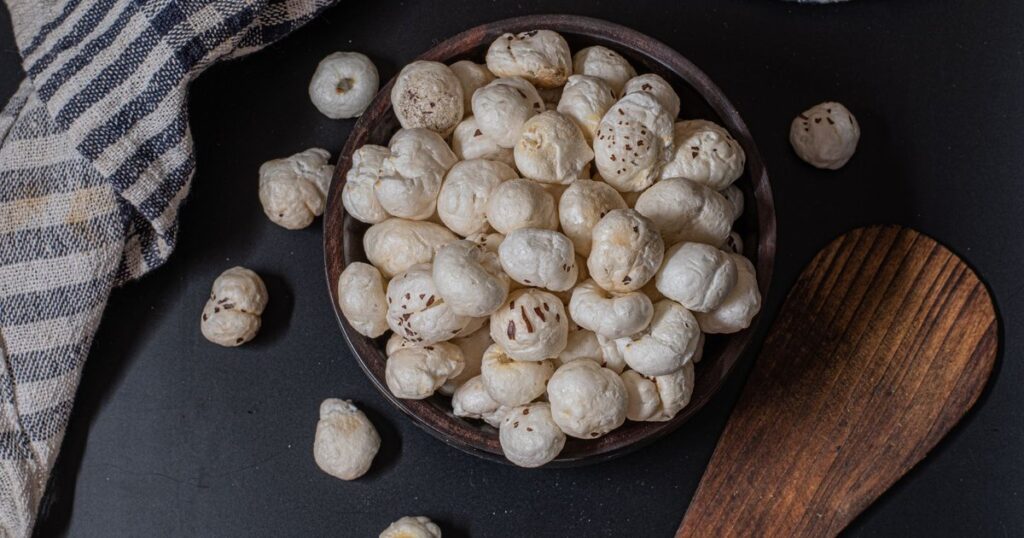
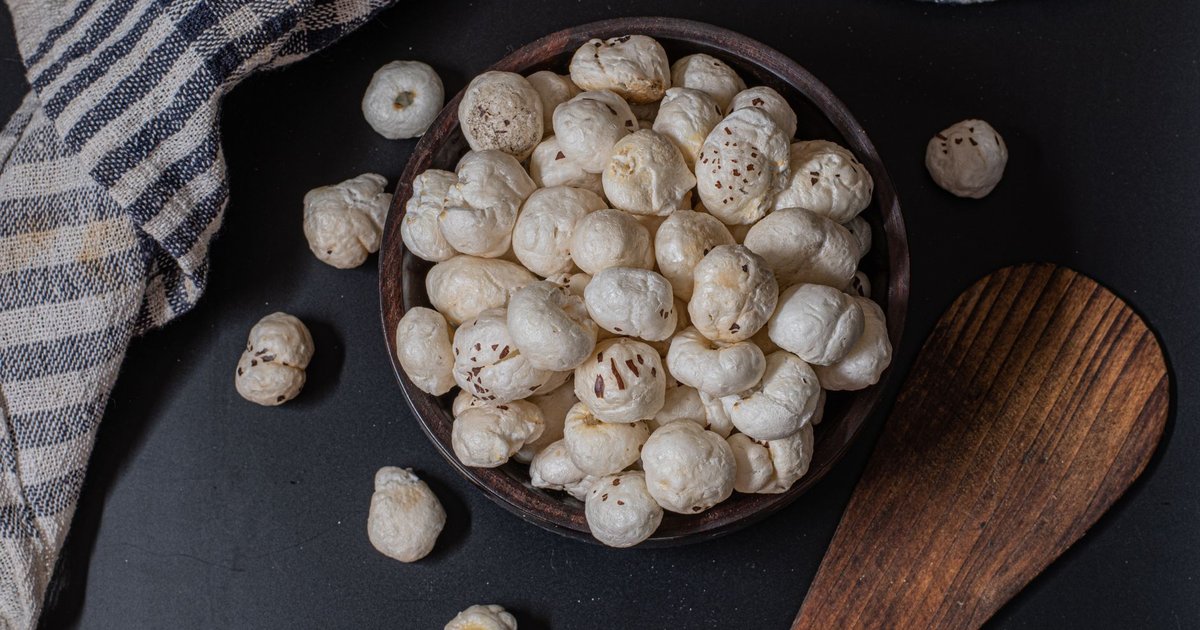
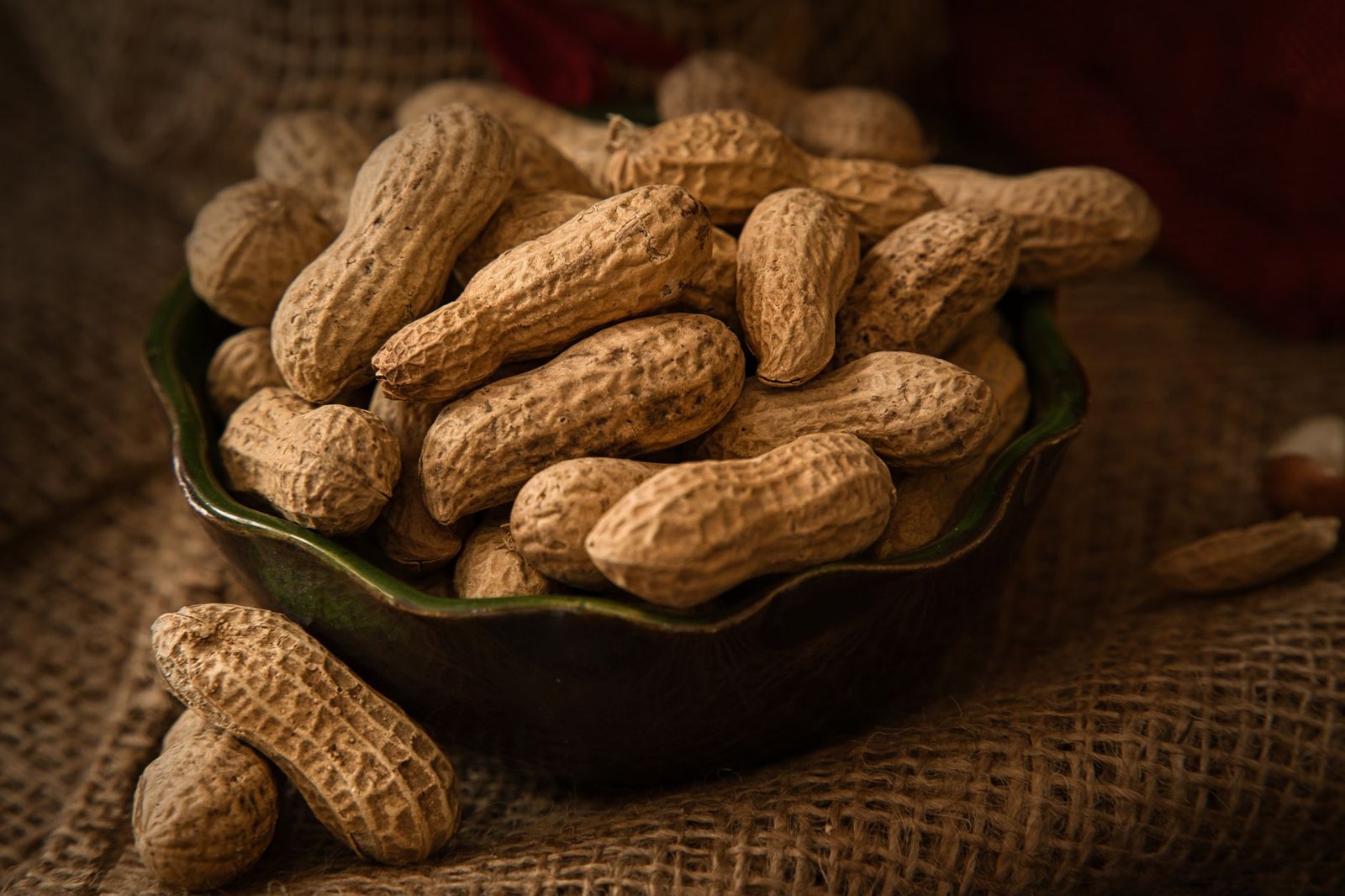
A Janmashtami fasting menu follows falahar (phalahar) rules, and knowing the boundaries is what separates a sellable menu from a returned order. Permitted ingredients include sabudana (tapioca pearls), kuttu atta (buckwheat flour), singhara atta (water chestnut flour), rajgira (amaranth), samak rice (barnyard millet), potatoes, sweet potato, makhana (fox nuts), peanuts, most fruits, and dairy such as milk, curd, and paneer. The one salt rule that trips up commercial kitchens: use sendha namak (rock salt), never regular table salt. What stays off the menu matters just as much. No wheat, rice, or regular grains; no lentils or pulses; and no onion or garlic. Turmeric and mustard are usually skipped too, so lean on cumin, black pepper, green chilli, and fresh coriander for flavour. Build your entire vrat section around this list and you can label it “vrat-friendly” without a nervous asterisk, which is exactly what converts a hesitant fasting customer into an order. The same falahar rules carry through Navratri, and our Navratri 2026 vrat food list maps them day by day alongside the 9 colours and 9 bhog.
Which vrat dishes should a restaurant put on the menu?
Stick to dishes with proven festival demand and strong margins. Here are the ones that move:
- Sabudana khichdi – the anchor dish; low input cost, high perceived value, travels well.
- Sabudana vada with vrat peanut chutney – a fry-to-order crowd favourite.
- Kuttu ki puri with vrat aloo sabzi (sendha namak) – the classic thali pairing.
- Samak rice pulao – the “rice” substitute that lets you sell a full plated meal.
- Makhana kheer and shrikhand – dessert attach-ons with excellent margins.
- Singhare ke pakode and fruit chaat – light, shareable, easy to batch.
- Janmashtami prasad boxes – dhaniya panjiri, makhan mishri, and panchamrit, sold as a sealed offering box.
The highest-margin play is the falahari thali combo: one khichdi or pulao, one puri-sabzi, one dessert, and a fruit portion at a single fixed price. It raises average order value, simplifies your kitchen line, and is far easier to pack than four separate containers.
How do you price a Janmashtami vrat thali for profit?
Vrat ingredients are cheap; the value is in the occasion. Here is a rough costing frame for a standard falahari thali:
| Component | Approx. food cost | Why it works |
|---|---|---|
| Sabudana khichdi (portion) | Rs 25-35 | Tapioca + peanuts + potato are low-cost staples |
| Kuttu puri + vrat aloo | Rs 30-40 | Buckwheat flour is the only premium input |
| Makhana kheer | Rs 30-45 | Makhana + milk; dessert carries the margin |
| Fruit portion | Rs 20-30 | Seasonal fruit, low waste |
| Thali food cost | ~Rs 105-150 | Sell at Rs 299-399 = 60-65% gross margin |
Keep your food cost near 30-35% of the menu price and the festival premium does the rest. Because vrat customers order a full meal in one go rather than snacking across the day, your average order value on Janmashtami tends to run higher than a normal weekday lunch. If you also run a cloud kitchen, a vrat-only virtual menu for the day is one of the cleanest ways to test festival demand without touching your main brand.
How do you time and deliver a Janmashtami fasting order?
Timing is the part most kitchens get wrong. Many devotees observe a nirjala or phalahar fast through the day and break it around midnight, at the hour of Krishna’s birth, or the next morning after darshan. Temples and societies preparing the traditional 56 bhog (chhappan bhog) work to the same clock. That creates two clear order windows: an evening rush from people prepping their fast and stocking falahar, and a late-night rush from those breaking it just after midnight. Staffing a small midnight delivery window on Janmashtami can quietly become your highest-value shift of the month, because the orders cluster into a short two-hour peak instead of spreading across the day. Plan your prep, your delivery riders, and your kitchen roster around those two windows rather than a normal dinner service, and publish clear cut-off times on your listing so no customer is left waiting when the fast finally ends.
Take pre-orders. A simple “order your Janmashtami vrat thali by 3 PM for guaranteed midnight delivery” message to your regulars removes the guesswork from your prep and locks in revenue before the day even starts. Push the same offer through your Zomato and Swiggy listings so festival searchers find you, and mirror it on your direct channels to avoid the aggregator commission where you can.
Delivery is where a vrat menu usually falls apart. Sabudana khichdi congeals, kheer leaks, and a puri thali arrives soggy if it is packed like a regular parcel. This is the one place worth upgrading your packing: leak-resistant, sturdy containers keep a gravy-based kheer or a hot khichdi looking like it did when it left the kitchen. A lot of festival kitchens have switched to compostable bagasse containers (Chuk being one of the options) precisely because they hold heat and moisture without going flimsy, and they align with the clean, sattvic spirit of the occasion. For the full breakdown, our takeaway packaging guide covers what to use for each dish type.
What compliance and food-safety basics apply?
A festival menu does not exempt you from the rules. If you are a new outlet or running a seasonal cloud kitchen for the day, you still need a valid FSSAI registration or licence displayed on your listing and packaging. The Food Safety and Standards Authority of India (FSSAI) requires every food business to carry one, and aggregators will delist an outlet without it. If your renewal is due, run through our FSSAI licence renewal checklist before the festival week so a lapsed licence does not cost you the biggest order day of the season.
Beyond paperwork, vrat food has its own hygiene notes: sabudana is a common culprit for bacterial issues if soaked too long in warm weather, and dairy-heavy desserts like kheer and shrikhand need a tight cold chain. Cook fresh, hold cold, and pack clean. If any of the licensing or food-safety terms here are unfamiliar, our restaurant operations glossary explains them in plain language. For a fuller playbook on running a delivery-first festival menu, the cloud kitchen guide is a good companion read.
In a Nutshell
Janmashtami is a single-day demand spike that rewards restaurants who plan ahead. Build a tight falahari menu around sabudana khichdi, kuttu puri, and makhana kheer; sell it as a fixed-price thali for margin; take pre-orders for the evening and midnight windows; and pack it to survive the trip. Do those four things and the vrat menu that “sells out every year” sells out for you too, on 4 September 2026.
Looking for more festival plays? See how sweet shops scaled takeaway orders for Guru Purnima and how restaurants turned Raksha Bandhan into a big delivery day.
FAQs
What food is allowed in a Janmashtami vrat?
Falahar (fasting) foods: sabudana, kuttu and singhara flour, samak rice, potatoes, makhana, peanuts, fruits, and dairy, all seasoned with sendha namak (rock salt). Wheat, rice, pulses, onion, garlic, and common salt are avoided.
When is Janmashtami in 2026?
Krishna Janmashtami falls on Friday, 4 September 2026. Many ISKCON temples observe it on 5 September. Fasting devotees typically break the fast around midnight or the next morning.
What is the best-selling Janmashtami dish for restaurants?
Sabudana khichdi is the most reliable seller. It costs little to make, feels generous on the plate, and holds up well for delivery. A fixed-price falahari thali combo drives the highest average order value.
How should vrat food be packed for delivery?
Use sturdy, leak-resistant containers that hold heat and moisture. Sabudana khichdi and dairy desserts like kheer need containers that will not go soggy or leak in transit, which is why many kitchens use compostable bagasse packaging for festival orders.
Packing a vrat menu this Janmashtami? Get leak-resistant, compostable delivery containers that keep khichdi hot and kheer where it belongs. Order a sample box to test them before the festival rush, or message us on WhatsApp for festival pricing.