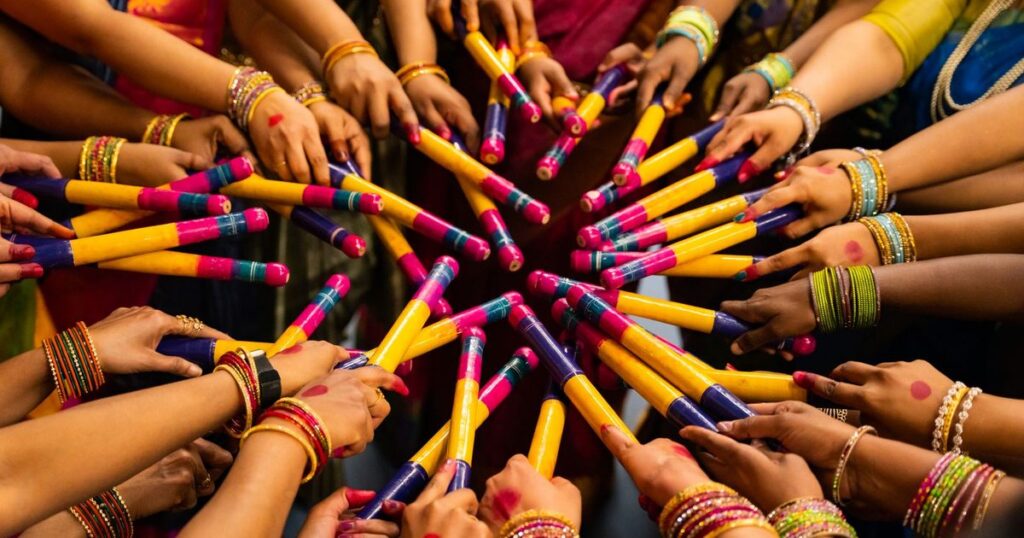
Navratri 2026 runs from Sunday, 11 October to Monday, 19 October, with Dussehra on 20 October. Because the festival starts on a Sunday this year, the nine days, nine colours and the traditional nine bhog line up like this: the full list is right below, and the vrat food rules and serving tips follow it.
What are the 9 days, 9 colours and 9 bhog of Navratri 2026?
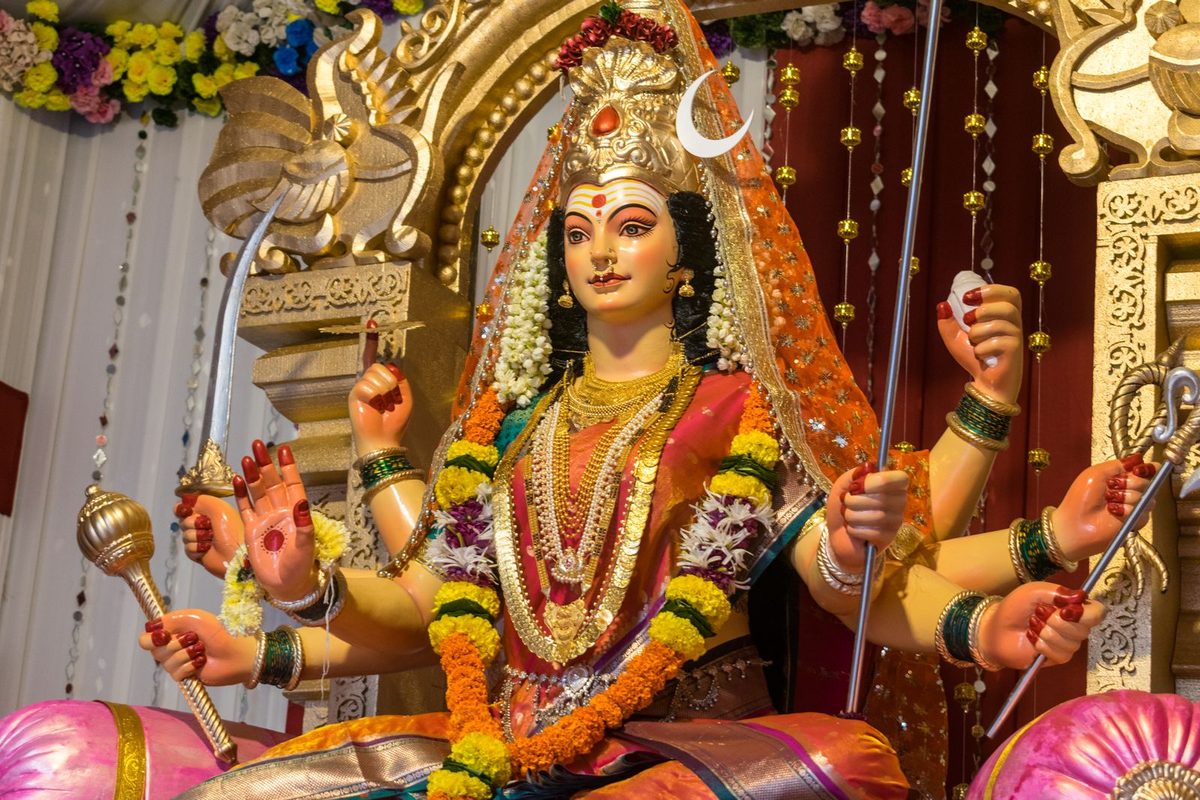
Each day of Sharad Navratri honours one of the nine forms of Goddess Durga (the Navadurga), carries a colour many people wear that day, and has a traditional naivedya (bhog) offered to that form. The colours shift every year with the weekday Navratri begins on, for a Sunday start, the 2026 sequence is below.
| Day | Date (2026) | Goddess | Colour | Traditional bhog |
|---|---|---|---|---|
| Day 1 (Pratipada) | Sun, 11 Oct | Shailputri | Yellow | Desi ghee |
| Day 2 (Dwitiya) | Mon, 12 Oct | Brahmacharini | Green | Sugar / mishri |
| Day 3 (Tritiya) | Tue, 13 Oct | Chandraghanta | Grey | Kheer / milk |
| Day 4 (Chaturthi) | Wed, 14 Oct | Kushmanda | Orange | Malpua |
| Day 5 (Panchami) | Thu, 15 Oct | Skandamata | White | Banana |
| Day 6 (Shashthi) | Fri, 16 Oct | Katyayani | Red | Honey |
| Day 7 (Saptami) | Sat, 17 Oct | Kaalratri | Royal Blue | Jaggery (gud) |
| Day 8 (Ashtami) | Sun, 18 Oct | Mahagauri | Pink | Coconut |
| Day 9 (Navami) | Mon, 19 Oct | Siddhidatri | Purple | Sesame (til) |
Maha Ashtami and Maha Navami both fall on 18 to 19 October depending on your local panchang, so confirm the tithi timings with a source like Drik Panchang before you lock a Kanya Pujan or Sandhi Puja slot. In Bengal the same Ashtami and Navami are the peak of Durga Puja, when pandals serve bhoger khichuri, labra and payesh; our Durga Puja bhog list covers that menu day by day. The nine forms are fixed across traditions; only the day colours move with the calendar. If you have run the numbered 56 bhog list for Janmashtami or the 21 types of modak for Ganpati, this is the same idea, a devotional list guests actually search for by name.
What is the Navratri bhog list, day by day?
The bhog (naivedya) is the food offered to each form of the Goddess and then shared as prasad. The classic nine-day list, drawn from the Devi worship tradition, pairs one simple offering with each Navadurga form, and each is believed to grant a specific blessing. Here it is in order:
- Shailputri: desi ghee. Offering pure ghee is said to keep the family free of disease.
- Brahmacharini: sugar or mishri. For long life and good health.
- Chandraghanta: kheer or milk. To be free of sorrow.
- Kushmanda: malpua. For a sharper mind and better decisions.
- Skandamata: banana. For physical well-being.
- Katyayani: honey. For charm and a pleasant presence.
- Kaalratri: jaggery (gud). To keep grief and obstacles away.
- Mahagauri: coconut. For wishes fulfilled.
- Siddhidatri: sesame (til). For protection from accidents and mishaps.
Sweet shops and caterers who prepare a small daily prasad box against this list give devotees something genuinely convenient: a spoon of ghee and mishri on day one, a little kheer on day three, a cube of coconut barfi on day eight, each matched to that day’s offering. It sells well because it maps onto a list families are already following at home, so the buyer never has to remember which food goes with which form of the Goddess. A simple nine-day box, one small packet a day, works for temples and residential societies, and it moves a lot of product across the festival without adding much kitchen complexity. Label each day’s item with the goddess and the offering so the devotional meaning stays intact, since that is the whole reason someone buys a bhog box instead of ordinary mithai in the first place.
What is the Navratri vrat food list, what can you eat and what is not allowed?
The vrat (fast) is the part restaurants and cloud kitchens get asked about most, because the rules are strict and a single wrong ingredient breaks the fast. During Navratri fasting, most people avoid common grains, all lentils and legumes, onion, garlic, and ordinary table salt, and switch entirely to sendha namak (rock salt). Here is the working list.
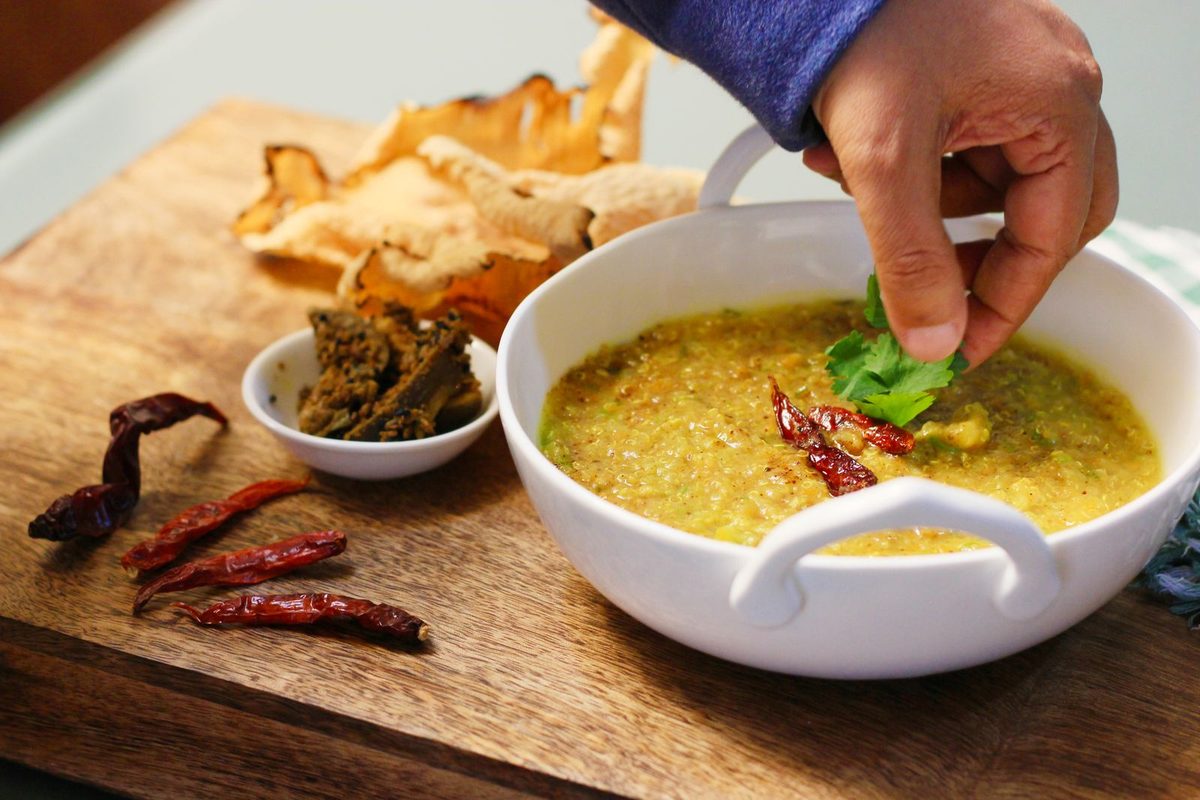
Allowed during vrat: kuttu (buckwheat) flour, singhara (water chestnut) flour, samak / sama rice (barnyard millet), sabudana (tapioca pearls), rajgira (amaranth), sendha namak, potato, sweet potato, arbi (colocasia), raw banana, makhana (foxnut), peanuts, all fruits, milk, curd, paneer, ghee, dry fruits, coconut, green chilli, ginger, lemon and fresh coriander.
Not allowed: wheat, rice and all regular grains; all dals, pulses and legumes; onion and garlic; common (iodised) salt; most packaged or processed foods; and, of course, anything non-vegetarian or alcoholic. A Navratri kitchen is strictly vegetarian and satvik, no egg, no meat, no fish. If a term on this list is new to your floor staff, keep a one-line explainer handy; our restaurant operations glossary defines sendha namak, satvik and the rest.
Vrat dishes that actually sell
A vrat menu works better short than sprawling, as long as every item is reliably fast-friendly. The dishes diners look for, in roughly the order they order them: sabudana khichdi, sabudana vada, kuttu ki puri with vrat aloo, samak rice pulao, singhare ki barfi, aloo jeera made with sendha namak, makhana kheer, lauki halwa, rajgira paratha, and a simple fruit chaat. A colour-themed thali, matching the day’s colour where you can, turns an ordinary fasting plate into something guests photograph and post. This mirrors what works for a full festival feast; the way we broke down the 26-dish Onam sadya for restaurants applies here on a smaller scale, and our Janmashtami vrat menu guide covers the sendha-namak prep station in detail.
How should restaurants and caterers serve Navratri vrat food?
The biggest operational risk during Navratri is cross-contamination, and it rarely comes from the recipe itself. One shared ladle between the regular dal and the vrat khichdi, or a pinch of common salt in the vrat aloo, and you have served a diner something that quietly breaks their fast. Run the vrat menu as a separate station with its own sendha-namak containers, colour-coded utensils, and peanut oil or ghee kept well away from the main line. Brief your floor staff before service so they can answer the one question every faster asks, which is whether a dish uses common salt or rock salt. Keep a printed ingredient card at the counter that guests can read for themselves, and label every takeaway box clearly as vrat or fasting food made with sendha namak only, so the promise travels with the order all the way home.
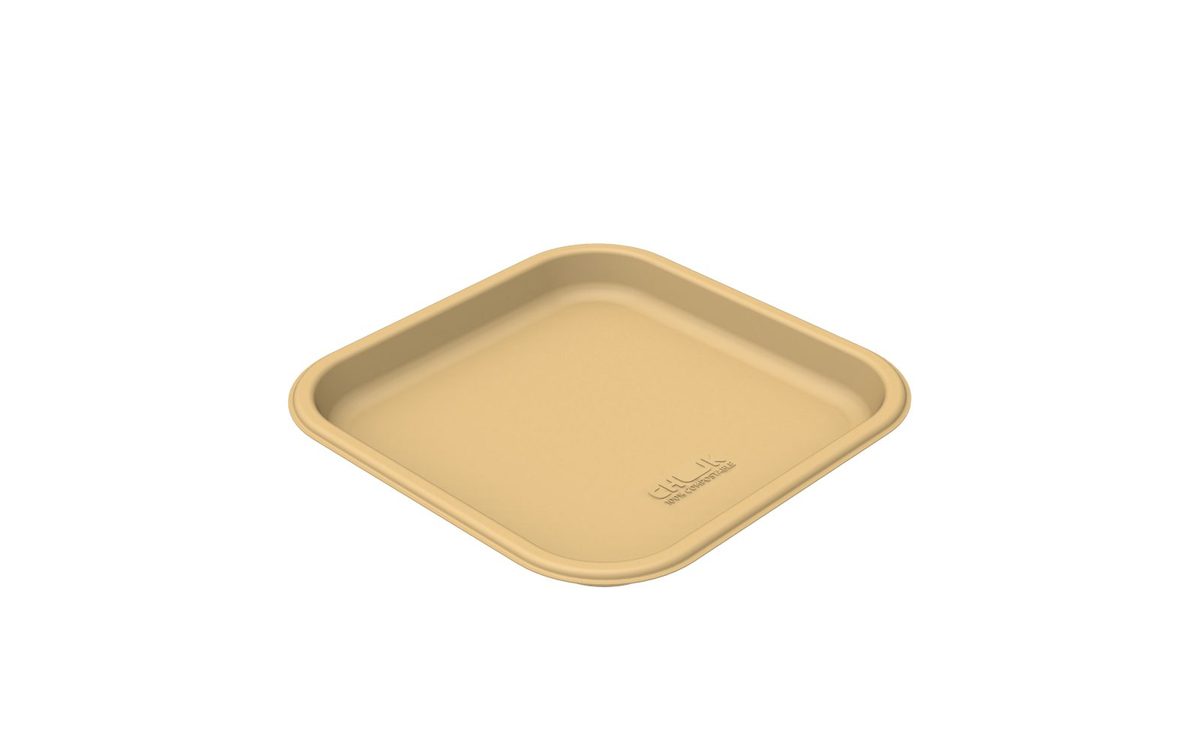
Navratri is also a nine-night delivery and takeaway surge, garba crowds, temple queues and office fasters all order in. That is a lot of single-use serving ware moving through a satvik kitchen, and a growing number of caterers and sweet shops have shifted festival takeaway onto compostable bagasse plates and thalis (Chuk among them) so a vrat thali arrives clean and warm without a plastic guilt trip. If you are planning the packaging side, our takeaway food packaging guide walks through leak-proof choices for wet dishes like khichdi and kheer, and the Ganesh Chaturthi prasad packaging notes apply directly to daily bhog boxes.
Pricing and prep, in short
Price a vrat thali on ingredient cost plus a festival premium: sendha namak, singhara flour and makhana cost more than everyday staples, and diners expect a fasting thali to sit above your normal veg thali. A compact, well-run vrat menu of six to eight items beats a sprawling one: less cross-contamination risk, tighter inventory, and faster tickets on your busiest nights. Caterers taking bulk temple or society orders should also confirm their FSSAI registration is current, since Navratri is a common inspection window, the FSSAI licence covers festival catering the same as everyday service.
In a Nutshell
Navratri 2026 is 11 to 19 October. The nine days each carry a Navadurga form, a colour (yellow, green, grey, orange, white, red, royal blue, pink, purple for this Sunday-start year) and a traditional bhog (ghee through til). The vrat kitchen is strictly satvik and switches to sendha namak, kuttu, singhara, samak and sabudana. For restaurants and caterers, the wins are a separate vrat station, a tight fast-friendly menu, honest fasting labels, and packaging that survives the nine-night delivery rush.
FAQ
What are the 9 colours of Navratri 2026?
For 2026 (a Sunday start), the colours are: Day 1 Yellow, Day 2 Green, Day 3 Grey, Day 4 Orange, Day 5 White, Day 6 Red, Day 7 Royal Blue, Day 8 Pink, Day 9 Purple. The colours change each year with the starting weekday; the nine goddess forms stay the same.
When does Navratri 2026 start and end?
Sharad Navratri 2026 begins with Ghatasthapana on Sunday, 11 October 2026 and ends on Monday, 19 October, with Vijayadashami (Dussehra) on Tuesday, 20 October. Confirm exact tithi timings on Drik Panchang for your city.
What is the Navratri bhog list?
The traditional nine-day bhog is: ghee, sugar/mishri, kheer, malpua, banana, honey, jaggery, coconut and sesame, one offering for each of the nine Navadurga forms, shared afterwards as prasad.
What food is allowed during the Navratri fast?
Vrat food is strictly vegetarian and uses sendha namak instead of common salt. Allowed items include kuttu, singhara and rajgira flours, samak rice, sabudana, potato, makhana, peanuts, fruits and dairy. Regular grains, all dals, onion, garlic and common salt are avoided.
What should a restaurant serve for Navratri vrat?
A short, reliable menu sells best: sabudana khichdi and vada, kuttu ki puri, samak pulao, vrat aloo with sendha namak, makhana kheer and a fruit chaat, ideally as a colour-themed thali, run from a separate fasting station to avoid cross-contamination.
Serving a Navratri vrat menu this year? Move your fasting thalis and daily bhog boxes onto compostable bagasse plates and trays that hold up to khichdi, kheer and warm prasad without plastic or leaks. See CHUK meal plates and thalis, order a sample box to test before the rush, or WhatsApp us for festival pricing.