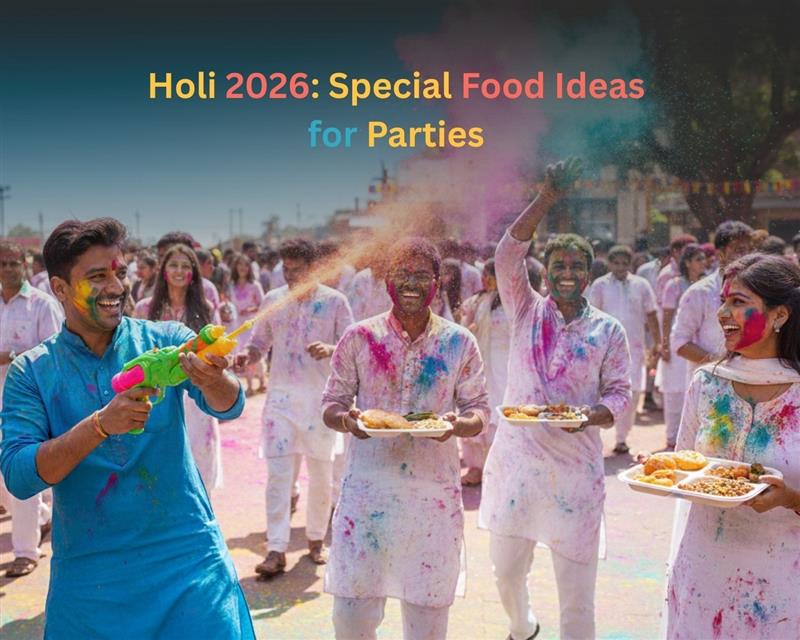
30 Holi Special Food Items, Sweets & Drinks for Parties and Catering
Here is the honest truth about Holi celebrations: nobody remembers the colour of the gulal. What they remember is the gujiya that melted in their mouth, the thandai that hit just right after hours of playing, and whether the plates held up or fell apart mid-feast.
Holi is one of the most food-centric festivals in India. It is not a side note to the colour play. It is the main event once the colours settle.
Whether you are a caterer prepping for a society Holi bash, a restaurant owner planning a festive special menu, or a party host trying to feed 50 people in your courtyard, this guide gives you the complete Holi food playbook. Thirty items across sweets, snacks, and drinks, plus the serving logistics that most guides conveniently skip.
Why Food Is the Real Heart of Holi
During Holi, communities across India follow a rhythm that has stayed the same for centuries. Play with colours in the morning. Wash up. Sit down together for a massive spread.
The food is not an afterthought. It is a ritual of togetherness, a way of saying “you belong here.”
That is why the Holi food menu matters deeply, whether you are serving 10 guests at home or 500 at a housing society event. The sweets carry tradition. The snacks carry warmth. The drinks carry relief after hours under the sun.
As a caterer or restaurant owner, understanding this cultural weight helps you plan menus that genuinely resonate with your audience, not just fill plates.
The Complete Holi Food List: 30 Items Every Menu Needs
Here is a carefully curated list that works across homes, restaurants, QSRs, cloud kitchens, and catering setups. Use it as your planning checklist.
Holi Festival Sweets (12 Must-Haves)
| # | Sweet | Why It Works for Holi |
|---|---|---|
| 1 | Gujiya (classic) | The undisputed Holi icon. No menu is complete without it. |
| 2 | Chocolate Gujiya | A modern twist that younger crowds love. |
| 3 | Malpua with Rabri | Rich, indulgent, and perfect for festive splurging. |
| 4 | Rasgulla | Light and spongy, balances heavier fried items. |
| 5 | Gulab Jamun | Universal crowd-pleaser. Works in every setting. |
| 6 | Peda | Easy to distribute, great for sweet boxes. |
| 7 | Barfi (kaju or besan) | Pre-cut portions make serving effortless. |
| 8 | Laddoo (boondi or motichoor) | Traditional, portable, and shelf-stable for hours. |
| 9 | Kesar Kheer | A cooling dessert that pairs well with spicy snacks. |
| 10 | Holi-themed Cake | Instagram-worthy addition for party settings. |
| 11 | Coconut Barfi | Lighter option for guests who prefer less sugar. |
| 12 | Dry Fruit Halwa | Premium touch for corporate Holi events. |
Gujiya remains the most iconic Holi sweet. If you are a caterer, plan for gujiya to account for at least 30-40% of your sweet order volume. It is what people expect first.
Pro tip for restaurant owners: Offer a gujiya tasting platter with three variants (classic, chocolate, and dry fruit). It creates a shareable, photo-worthy moment that drives social media visibility for your brand.
Holi Special Snacks (10 Essentials)
The snack game at Holi needs to be strong. People are hungry after playing, often eating outdoors, and usually standing. Your snack selection needs to be:
- Filling enough to work as a light meal
- Finger-food friendly for easy eating without cutlery
- Sturdy enough to hold up on a plate without turning soggy
Here are the ten snacks that consistently perform:
- Samosa – The all-season champion. Aloo or paneer filling both work.
- Kachori – Pairs beautifully with tangy chutneys and stands up well in bulk prep.
- Dahi Bhalla – The cooling contrast to fried snacks. Essential for balance.
- Papdi Chaat – Interactive, layered, and endlessly customisable.
- Pakora (mixed vegetable or paneer) – Quick to fry in batches for large crowds.
- Paneer Tikka – Adds a grilled, protein-rich option to the spread.
- Mini Sandwiches – Modern addition that works well for corporate Holi events.
- Mathri – Traditional, dry, and perfect for sweet boxes alongside gujiya.
- Namkeen Mix – Low-effort filler that stretches your budget at large events.
- Chaat Platter – A build-your-own station that keeps guests engaged.
For caterers handling 200+ guests: Pre-portion your chaats and dahi bhalla into individual servings. It reduces queue time, cuts waste, and looks more professional than a chaotic buffet counter.
Holi Drinks & Thandai (8 Refreshers)
What they don’t tell you about Holi catering: drinks are where most setups fall apart. People are dehydrated, overheated, and desperate for something cold. If your drink station is an afterthought, your entire event feels half-done.
Here is your drink lineup:
- Classic Thandai – The signature Holi drink. Almond, fennel, rose, and cardamom in chilled milk. Non-negotiable.
- Kesar Pista Thandai – Premium variant for sit-down events and restaurant menus.
- Rose Milk – Simple, fragrant, and easy to scale for large batches.
- Jaljeera – Tangy and digestive. The perfect palate cleanser between heavy snacks.
- Aam Panna – Raw mango cooler that screams Indian summer.
- Lassi (sweet or salted) – Thick, filling, and universally loved.
- Fruit Punch – Non-traditional but works well for mixed-age crowds.
- Mocktail Bar – Set up 2-3 colourful mocktails for a festive visual impact.
Serving math for party hosts: Plan for 2-3 glasses of cold drinks per person over a 3-hour Holi gathering. For 50 guests, that means roughly 10-12 litres of thandai alone. Scale your prep accordingly.
Planning Holi Food for Large Gatherings
If you are a caterer or restaurant owner handling Holi events, here is what separates a smooth operation from a chaotic one:
Pre-Event Planning Checklist
- Pre-packed sweet boxes – Assemble gujiya + peda + barfi combos the night before. Reduces day-of chaos.
- Snack combo trays – Pre-plate samosa + kachori + chutney sets for quick distribution.
- Bulk platters for society events – Use compartment plates to separate sweets from savouries. Guests hate when gulab jamun syrup runs into their samosa.
- Thandai bottles for takeaway – Offer sealed bottles so guests can carry drinks home. This is a small touch that earns massive goodwill.
- Holi food hampers – Curated gift boxes with sweets + dry snacks + thandai concentrate. High-margin item for restaurants and bakeries.
Quantity Planning Guide
| Gathering Size | Sweets (kg) | Snacks (pieces) | Drinks (litres) |
|---|---|---|---|
| 25 guests | 3-4 kg | 100-125 | 6-8 L |
| 50 guests | 6-8 kg | 200-250 | 12-15 L |
| 100 guests | 12-15 kg | 400-500 | 25-30 L |
| 200+ guests | 25-30 kg | 800-1000 | 50-60 L |
These are practical estimates based on a 3-hour event window where food is the primary activity. Adjust upward for longer events or younger crowds.
The Serving Problem Nobody Talks About
Here is something most Holi food guides skip entirely: how you serve the food matters as much as what you serve.
Holi is an outdoor festival. People have wet hands from colour play. They are standing, moving, laughing. Nobody is sitting neatly at a dining table.
This creates real, practical problems:
- Flimsy plates buckle under oily pakoras and syrup-heavy gulab jamun
- Paper plates get soggy the moment a wet hand touches them
- Styrofoam cracks and leaves microplastic traces in hot food
- Washing steel plates for 200 guests after Holi is a punishment, not a plan
The honest truth? Your plate choice can make or break the serving experience at a Holi event.
What Actually Works
Compostable disposables made from sugarcane bagasse solve every one of these problems. They are sturdy enough for oily and wet foods, they do not buckle under weight, and they go straight into waste collection after use. No washing. No guilt about plastic waste piling up in the colony park.
Here is what to look for:
- Compartment plates for serving sweets and snacks together without mixing
- Sturdy round plates for single-item serving like chaat or dahi bhalla
- Leak-resistant bowls for kheer, rabri, and thandai servings
- Compostable cups for drinks and lassi stations
As a caterer, switching to compostable disposables is not just a sustainability statement. It is a logistics win. Faster cleanup, lower labour costs post-event, and zero complaints from housing societies about waste left behind.
Reduce Post-Holi Cleanup Stress
After the colours settle and the guests leave, the last thing anyone wants is a mountain of dishes or a pile of plastic waste.
For housing society events, this is often the number one complaint from residents: “the cleanup was terrible.” For restaurants running Holi specials, speed of table turnover matters.
Compostable bagasse plates and bowls handle this gracefully:
- Handle oily and wet food without degrading
- Stack and collect easily for bulk disposal
- Decompose naturally instead of sitting in a landfill for decades
- Keep community spaces clean, which matters for repeat event bookings
This is not about being morally virtuous about sustainability. It is about running a tighter operation. As a restaurant owner or caterer, your reputation depends on the full experience, not just the food. Clean events get you rebooked. Messy ones do not.
Where Compostable Disposables Make the Biggest Difference
- Housing society Holi events – Residents committee appreciates zero-waste cleanup
- Corporate Holi parties – Aligns with company ESG commitments without extra effort
- Restaurant dine-in festivals – Faster table clearance, lower breakage costs
- Cloud kitchen bulk dispatches – Sturdy containers survive delivery without leaking
- Temple and community Holi gatherings – Culturally appropriate alternative to plastic in sacred spaces
Explore compostable serving options at Chuk to find the right fit for your Holi event size and format.
Regional Holi Food Traditions Worth Knowing
India celebrates Holi differently across states, and as a caterer or restaurant owner, knowing regional preferences gives you an edge.
- North India (UP, Rajasthan, Delhi): Gujiya, thandai, dahi bhalla, and mathri dominate. These are non-negotiable.
- West India (Maharashtra, Gujarat): Puran poli, shrikhand, and coconut-based sweets are common alongside the North Indian staples.
- East India (Bengal, Odisha): Rosogolla, sandesh, and malpua take centre stage. Thandai may be replaced with aam panna.
- South India: Holi is celebrated less widely, but where it is, fusion menus blending traditional Holi sweets with local favourites (like payasam or jalebi) work well.
If you are running a multi-cuisine restaurant or catering to a diverse housing society, offering a “Best of India Holi Platter” with regional specialities can be a strong differentiator.
7 Practical Tips for a Flawless Holi Food Setup
- Prep sweets 1-2 days early. Gujiya, barfi, and laddoo hold well. Malpua and kheer should be day-of.
- Set up a separate drink counter. Drink queues should never block food queues. This is the most common layout mistake.
- Use compartment plates. Guests serve themselves faster when sections are pre-divided. This also prevents sweet-savoury mixing.
- Keep chaat stations staffed. Self-serve chaat turns messy fast. One person assembling plates keeps quality consistent.
- Stock 20% extra drinks. You will always underestimate how much people drink at Holi. Always.
- Label allergens on sweet boxes. If you are a caterer preparing sweet hampers, noting “contains nuts” or “contains dairy” avoids liability issues.
- Plan waste collection points. Place compostable waste bins near food stations. Guests will use them if they are visible and accessible.
Internal Links: Related Reading on Chuk
- Tips for Hosting Eco-Friendly Parties and Events – Detailed guide on party logistics with compostable tableware
- 4 Reasons Why Sustainable Parties Are Trending – Why event hosts are moving away from plastic
- How to Identify the Best Disposable Plates – Buying guide for choosing the right plate for your event
- The Spirit of Diwali: Festival Celebrations Done Right – Our approach to other Indian festivals
- Wedding Season with Eco-Friendly Products – Large event serving strategies that apply to Holi too
In a Nutshell
Holi food is not just a menu. It is the experience that people carry home long after the colours wash off.
- 30 items across sweets (12), snacks (10), and drinks (8) give you a comprehensive planning base
- Gujiya, thandai, and samosa are the three non-negotiables for any Holi menu
- Quantity planning should target 2-3 drink servings and 4-5 snack pieces per person for a 3-hour event
- Compartment plates solve the biggest serving challenge: keeping sweets and savouries separate
- Compostable disposables are the practical choice for outdoor Holi events. Sturdy, leak-resistant, and zero post-event waste headaches
- Regional variety in your menu shows cultural awareness and earns guest loyalty
- Post-event cleanup is half the battle. Plan for it, or your event reputation suffers
Whether you are hosting at home, catering a society gathering, or running a restaurant Holi special, the combination of great food and smart serving is what makes a celebration memorable.
Frequently Asked Questions
When is Holi celebrated each year?
Holi falls on the full moon day (Purnima) of the Hindu month of Phalguna, which typically lands in March. Holika Dahan is observed on the evening before, and Rangwali Holi (the main day of colour play and feasting) follows the next morning. The exact date shifts each year based on the lunar calendar, so check the Hindu calendar or panchang for your specific year.
What is the most important sweet for a Holi menu?
Gujiya is the undisputed essential. It is to Holi what ladoo is to Diwali. No matter what else you serve, guests will look for gujiya first. For caterers, plan gujiya to make up at least 30-40% of your total sweet volume. Offering variants like chocolate gujiya or dry fruit gujiya adds a modern twist without replacing the classic.
How much food should I prepare for a Holi party of 50 people?
For a 3-hour Holi gathering of 50 guests, plan for approximately 6-8 kg of sweets, 200-250 pieces of assorted snacks, and 12-15 litres of cold drinks (primarily thandai and lassi). Always buffer 15-20% extra on drinks since people drink significantly more after playing with colours in the sun.
What are the best drinks to serve at a Holi party?
Thandai is the signature Holi drink and should be your primary offering. Complement it with jaljeera (as a digestive palate cleanser), lassi (for a filling option), and aam panna or rose milk (for lighter alternatives). For large events, pre-batch your drinks in large dispensers rather than making individual servings. This saves enormous time and ensures consistency.
How do I handle food serving at an outdoor Holi event?
Outdoor Holi serving requires sturdy plates that handle oily food, wet hands, and standing guests. Avoid flimsy paper plates or styrofoam. Compostable bagasse plates with compartments work best because they separate sweets from snacks, resist oil and moisture, and make post-event cleanup straightforward. Set up separate counters for sweets, snacks, and drinks to prevent bottlenecks.
What Holi food items work best for restaurant takeaway and delivery?
For takeaway, focus on items that travel well: gujiya, barfi, laddoo, mathri, and namkeen mix for dry items. Samosa and kachori hold up for 30-45 minutes in proper packaging. Thandai in sealed bottles is an excellent upsell item. Avoid sending dahi bhalla or chaat for delivery since they lose texture quickly. Use leak-resistant compostable containers to ensure food arrives intact.
How can caterers reduce waste at large Holi events?
The biggest waste drivers at Holi events are broken plates, spilled drinks, and leftover food from over-ordering. Use sturdy compostable plates that do not crack under weight. Pre-portion servings instead of buffet-style to control food quantities. Place clearly marked compostable waste bins at every food station. After the event, compostable plates and food waste can go to the same collection point, simplifying disposal and keeping the venue clean.
Catering Holi for a crowd?
Compostable bagasse plates and bowls hold up to gujiya, chaat and thandai without soaking through, and they compost instead of adding to the post-Holi clean-up.
Browse compostable plates | Order a sample box | Get pricing on WhatsApp