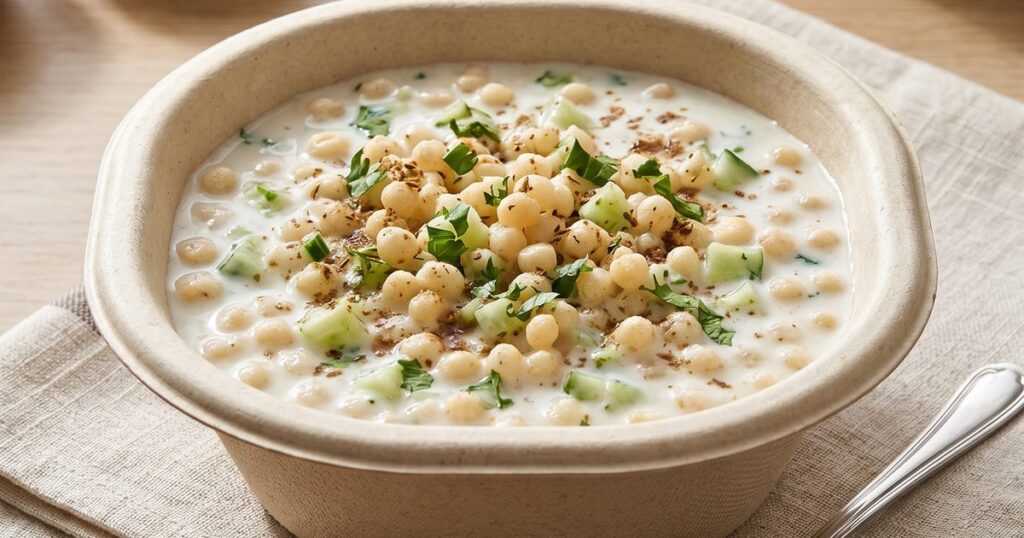
India’s single-use plastic ban has been in force since 1 July 2022, and for a restaurant it comes down to one rule. The banned plastic items (cutlery, plates, cups, thermocol containers and thin carry bags) cannot be used, full stop. The 2026 rule changes tightened the paperwork around plastic packaging, but your day-to-day job is the same. Switch the banned items to certified compostable or paper, and keep proof of what you buy.
That is the short version. The rest of this guide is what sits behind it: the exact list of what you can’t use, what genuinely changed in 2026, who the new paperwork lands on, and how to make the switch without blowing up your per-cover cost.
What exactly is banned for restaurants right now?
The ban targets identified single-use plastic items under the Plastic Waste Management Rules. For a food business, these are the ones that matter:
| Banned item (food service) | Common restaurant use |
|---|---|
| Plastic cutlery: forks, spoons, knives | Delivery and takeaway cutlery packs |
| Plastic plates, cups, glasses, bowls, trays | Dine-in disposables, party service |
| Thermocol / polystyrene containers | Hot meals, biryani boxes, parcels |
| Plastic stirrers and straws | Beverages, mocktails, tea and coffee |
| Wrapping / packaging films around sweet boxes | Mithai and gift packing |
| Carry bags thinner than 120 microns | Takeaway bags at the counter |
Two things trip people up here. First, “it’s only a cup” is not a defence, because the ban is item-level, so a single plastic spoon in a delivery bag is a banned item. Second, the carry-bag rule is about thickness: plain plastic bags must be at least 120 microns, and anything thinner is prohibited unless it is a certified compostable bag. The practical effect is that most of the cheap, flimsy plastic that used to leave a kitchen counter is now out.
Enforcement sits with state pollution control boards and municipal bodies, and penalties fall under the Environment (Protection) Act, 1986, alongside municipal spot fines that several cities already issue. The risk is not only the fine. A sealed kitchen or a viral photo of banned plastic does more damage than the penalty itself.
What actually changed in 2026, and who it lands on
Here is where the headlines get confusing. The 2026 amendments to the Plastic Waste Management Rules did not add new banned items for restaurants. What they did was tighten the Extended Producer Responsibility (EPR) system that governs plastic packaging. Three changes stand out:
- Recycled-content targets. Rigid plastic packaging must now contain a minimum share of recycled plastic, starting at 30% and rising towards 60% by 2028-29, with lower phased targets for flexible and multi-layered plastic.
- No more End-of-Life certificate shortcut. A notification dated 19 January 2026 withdrew the route that let companies meet recycling targets using disposal certificates. Obligations must now be met with recycling certificates from the same category.
- Traceability. Plastic packaging has to carry a QR code, barcode or unique identifier so regulators can trace it back to the producer.
The key point for a restaurant owner: these obligations land on producers, importers and brand owners (PIBOs), the companies that make or put plastic packaging on the market. If you buy generic, unbranded packaging, the EPR duty sits with your supplier, not you. (CPCB’s plastic waste pages set out the framework, and registration runs through the EPR portal for plastic packaging.)
There is one case where it does reach you. If your restaurant’s own brand name is printed on the plastic packaging you put food in, such as branded containers or branded bags, you may count as a “brand owner” with your own EPR registration obligation. Statutory liability does not transfer just because a supplier printed the box. If that is you, it is worth a quick check with a compliance consultant rather than a guess. For most independent restaurants buying plain packaging, though, the 2026 changes are something your supplier manages, not you.
What did not change, and why that is the useful part
Strip away the 2026 noise and the restaurant playbook is exactly what it has been since 2022. The banned-item list is unchanged. The exemption for certified compostable products is unchanged. Your duty, which is to not use banned plastic, switch to compliant alternatives, and keep records, is unchanged.
That stability is genuinely good news, because it means the switch you make now does not become obsolete next year. A compostable plate certified under IS/ISO 17088 was compliant in 2022, is compliant in 2026, and sits outside the new recycled-content and traceability requirements entirely, because those apply to plastic, not to compostable material made from plant fibre. So moving off plastic doesn’t just keep you legal. It takes you out of the part of the rulebook that keeps getting more complicated. The restaurants that switched early are the ones not reading amendment notifications every January.
How do I switch without overspending?
The honest answer is that compostable costs more per piece than banned plastic did, but less than most owners fear once you buy right. A few moves keep the per-cover cost sane:
- Match the item to the food, not the fanciest spec. A dry snack doesn’t need a leak-proof container. Right-sizing is where most of the saving lives.
- Check the certification, not the colour. “Eco-friendly” on a label means nothing on its own. Look for IS/ISO 17088 compostability certification and a CPCB listing, because that is what makes a product legally in the clear.
- Buy the format, not single pieces. Combo and bulk packs cut your per-unit cost well below counter-bought disposables.
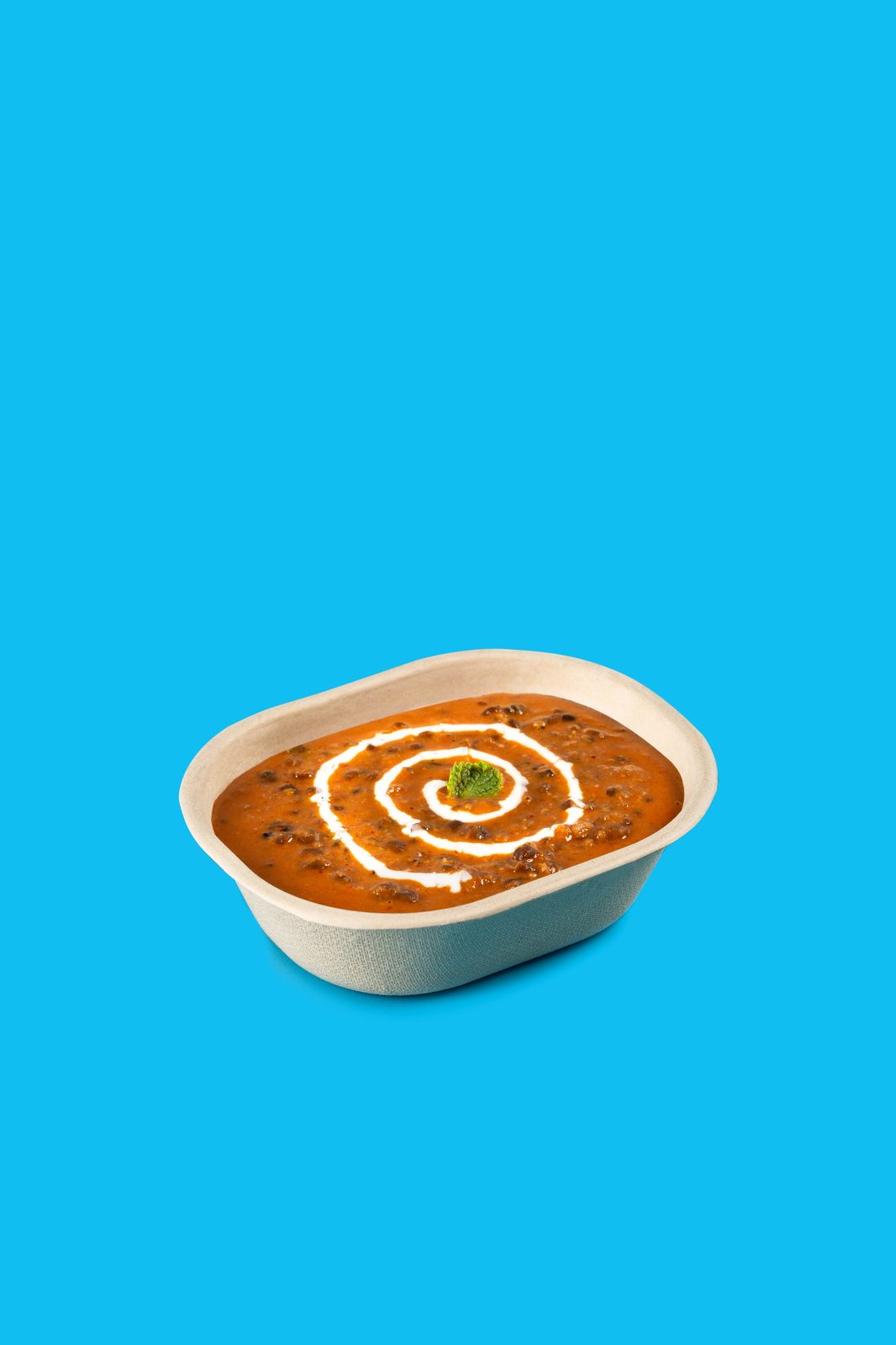
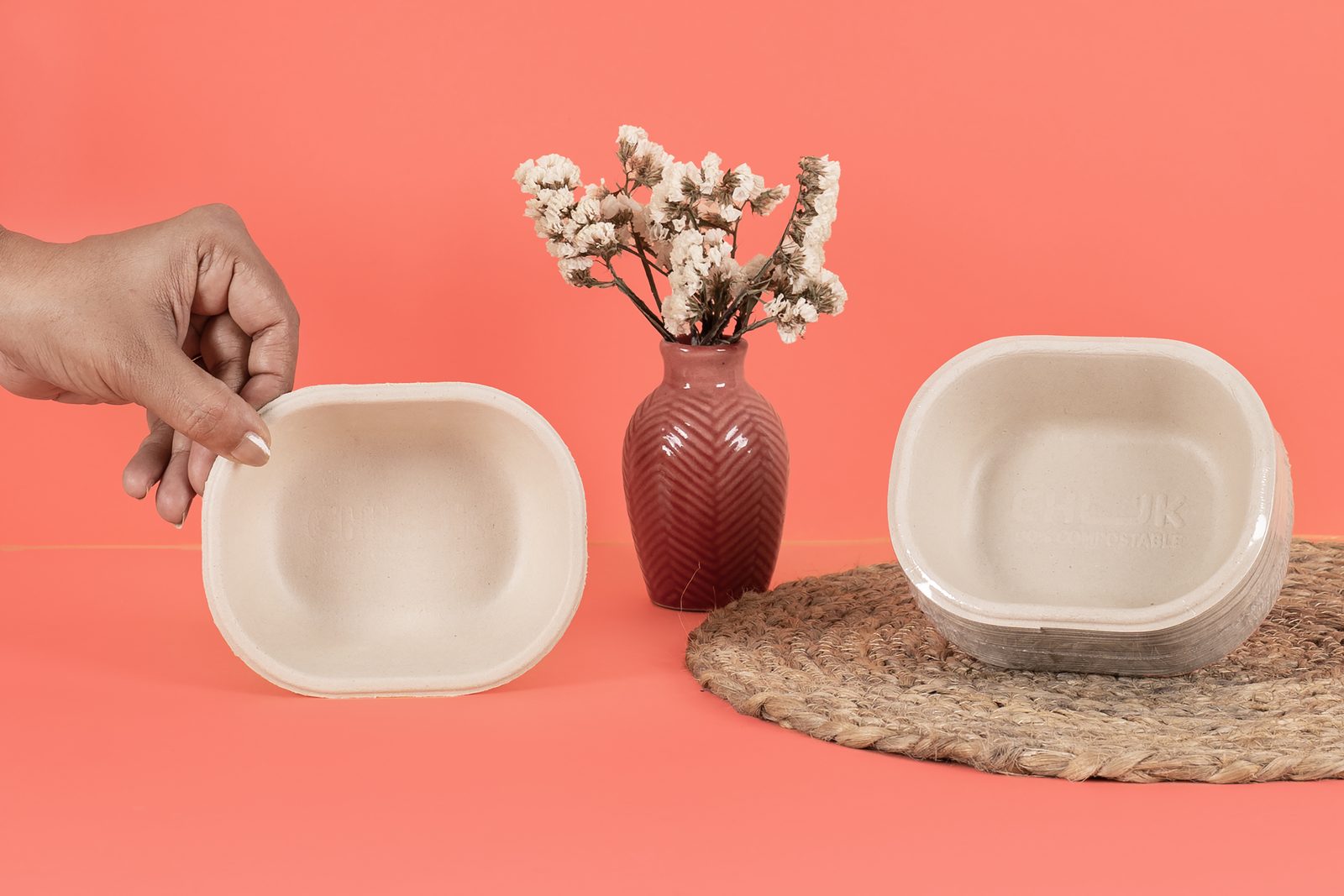
- Don’t double-switch. Compostable bagasse plates and containers (several Indian brands make these, Chuk among them) handle hot, oily and gravy-heavy Indian food without a plastic lining, so you don’t end up paying for a “compostable” box that still needs a plastic lid.
If you want the detail on which material does what, biodegradable vs compostable is not the same thing, and the compostable plastics glossary entry on PLA and PBAT is worth two minutes before you compare quotes.
Are compostable disposables actually accepted everywhere?
Mostly yes, but with a caveat worth knowing. Certified compostable items are legally exempt from the single-use plastic ban, so they are accepted across India as a compliant alternative. The caveat is composting infrastructure: a compostable plate only fully delivers its benefit where there is a stream to compost it. That is a disposal question, not a legality question, and the product is still compliant either way. We cover the nuance in whether compostable food containers are legally accepted everywhere in India, and if your packaging has to survive a 40-minute delivery ride, the takeaway packaging guide covers what actually holds up.
The bigger picture is that the plastic ban is one strand of a wider shift. Food safety inspections, aggregator packaging ratings and customer expectations are all pulling the same direction. If you’re building or formalising operations, say setting up a cloud kitchen or getting your FSSAI licence and renewals in order, folding compliant packaging in from day one is cheaper than retrofitting it later. It also slots neatly into the broader sustainable-practices playbook most operators are already working through.
In a Nutshell
- The single-use plastic ban has applied to restaurants since 1 July 2022. Banned items (plastic cutlery, plates, cups, thermocol containers, thin carry bags under 120 microns) cannot be used.
- The 2026 amendments tightened EPR for plastic packaging (recycled-content targets, no End-of-Life certificate shortcut, QR traceability). These land on producers and brand owners, not on a restaurant buying plain packaging, unless your own brand name is on the plastic.
- Certified compostable products (IS/ISO 17088, CPCB-listed) remain exempt and sit outside the new recycled-content and traceability rules.
- The smart move is a clean switch to certified compostable or paper, bought by format and matched to the food, so you stay compliant without over-paying.
Frequently Asked Questions
Is the single-use plastic ban still in force in 2026?
Yes. The nationwide ban on identified single-use plastic items has been in force since 1 July 2022 and remains in force. The 2026 rule changes tightened plastic-packaging obligations for producers but did not lift or weaken the ban on single-use items.
Can my restaurant still use plastic carry bags?
Only plain plastic carry bags of 120 microns or thicker are allowed, and anything thinner is banned. Certified compostable bags are exempt from the thickness rule. In practice most restaurants switch to paper or certified compostable bags to stay clearly on the right side of it.
Does my restaurant need to register for EPR?
Generally no, if you buy generic unbranded packaging, because the EPR duty sits with the producer or importer. You may have an obligation if your own brand name appears on the plastic packaging you use, which can make you a “brand owner” under the rules. If that applies, confirm with a compliance consultant.
Are compostable plates legal across all of India?
Yes. Compostable products certified under IS/ISO 17088 and listed by the CPCB are an accepted alternative to banned single-use plastic nationwide. Composting infrastructure varies by city, but that affects disposal, not legality.
What’s the penalty for using banned single-use plastic?
Penalties fall under the Environment (Protection) Act, 1986, and are enforced by state pollution control boards and municipal bodies, with many cities also issuing spot fines. Beyond the fine, a kitchen can be sealed, so most operators treat compliance as non-negotiable.
Switching off banned plastic? Chuk makes 100% compostable, IS 17088-certified plates, bowls, containers and cutlery that handle hot, gravy-heavy Indian food with no plastic lining needed. Browse the range, or get a feel for the quality before you commit.
Shop compostable disposable plates → | Order a sample box | Get pricing on WhatsApp