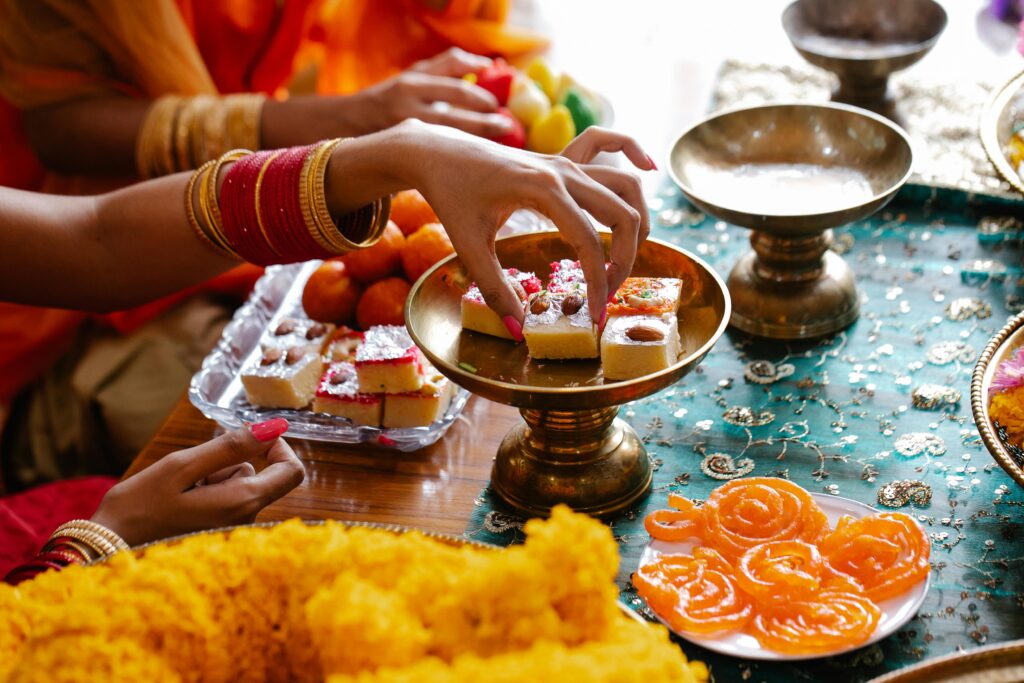
Two festivals. Back to back. Seven days from now.
Baisakhi lands on April 13, Vishu on April 14. If you haven’t planned your menu yet, you still have time, but honestly not a lot of it.
Between them, these two festivals cover Punjab and Kerala, plus every metro city where those communities have put down roots. The restaurants that do well aren’t the ones with the fanciest specials. They’re the ones who figured out which of their regulars celebrate what, and built a tight offer around that.
What this week actually means for your revenue
Festival weeks change how customers spend. People order for bigger groups, and they’re okay paying more because the occasion feels worth it. A regular Monday doesn’t justify ordering a special thali. Baisakhi does.
During big seasonal windows like IPL season, restaurants that put even a basic themed offer together consistently see higher average order values. The occasion gives customers permission to splurge. That’s the same dynamic at play here.
The nice thing about Baisakhi and Vishu is that they don’t compete with each other. Different communities, different days. If you’re in a metro and serve both Punjabi and Keralite customers, that’s two back to back shots at festival revenue instead of one.
Baisakhi (April 13): the feast mentality
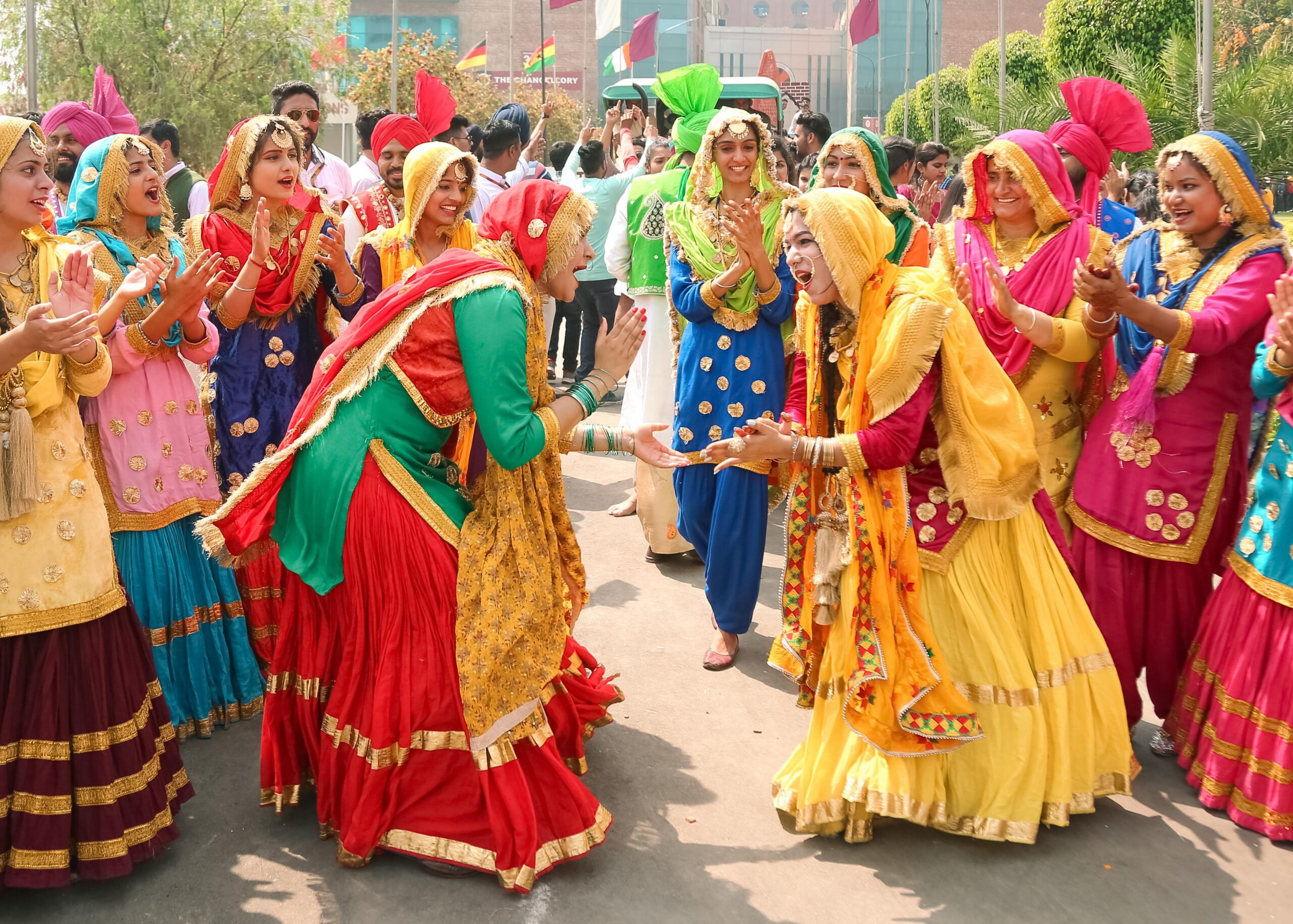
Baisakhi is Punjab’s harvest festival, and the food energy is about abundance. No restrictions, no sattvic rules. The more butter, the better. Meat is very much on the table.
What your Punjabi customers are looking for:
- Amritsari Fish Fry, which pretty much sells itself this time of year
- Makki di Roti with Sarson da Saag, traditional, nostalgic, and honestly very photogenic if you’re pushing it on Instagram
- Chole Bhature, a reliable favourite that also travels well for delivery
- Lassi, both mango and salted versions sell; bundle it as a combo
- Chicken or Mutton Curry with Tandoori Roti, if your kitchen can handle it, this is a high margin festive main
Baisakhi orders come in groups. Extended family gatherings, community meals, pind-style celebrations in urban neighbourhoods. Your catering angle has real upside here, since group occasions tend to be more profitable per order than individual covers.
One thing worth doing today: build a “Baisakhi Celebration Pack” that serves 4-6 people, 3-4 dishes plus drinks, priced at a slight discount versus ordering individually. It simplifies the customer’s decision and gets your ticket size up.
And start promoting now. Update your Zomato and Swiggy menus today because changes take 2-3 days to show up. Post on Instagram. Send a WhatsApp broadcast to regulars tomorrow. Seven days is tight but workable.
Vishu (April 14): Kerala’s new year and the Sadya question
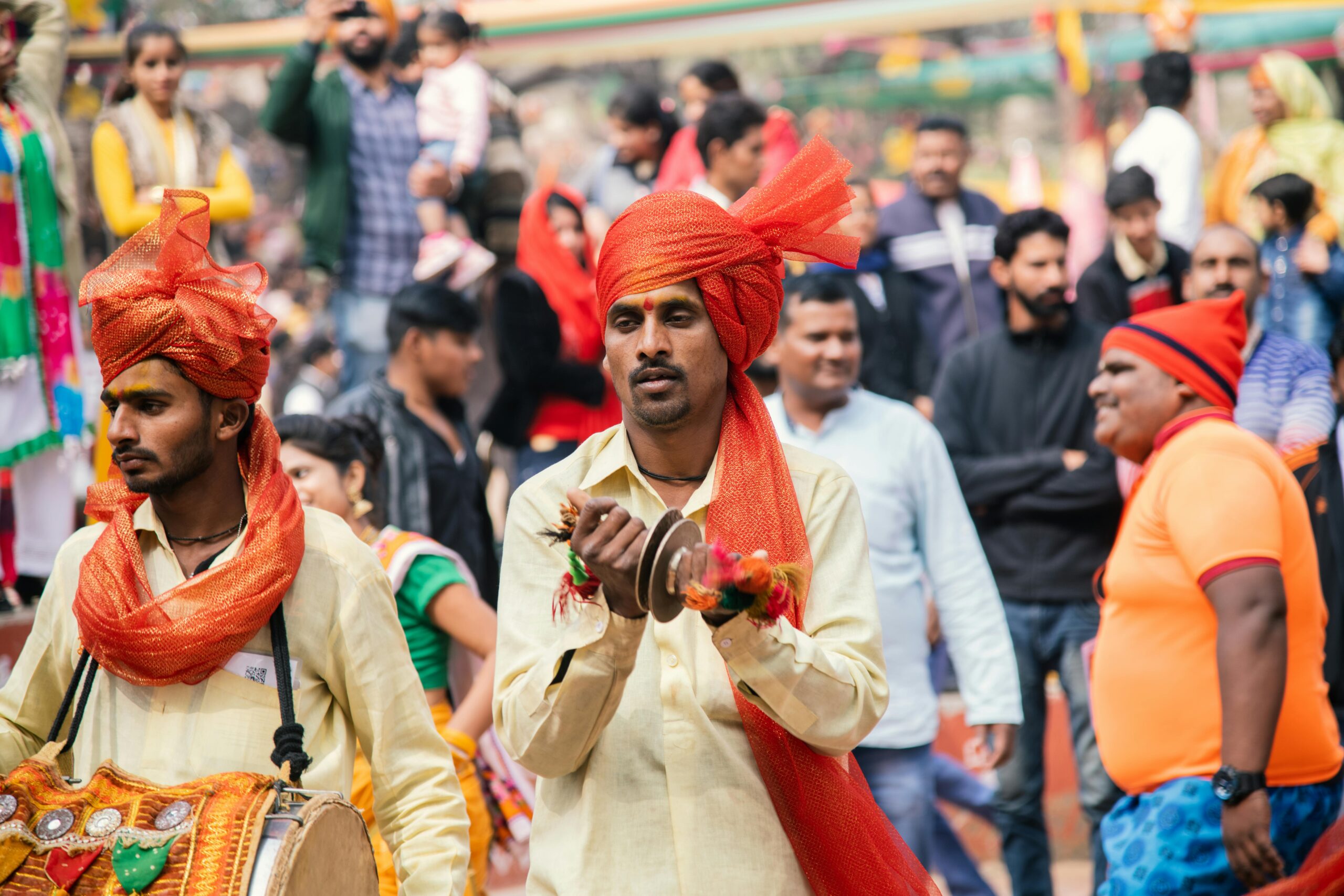
Vishu is Kerala’s solar new year. The food tradition that defines it is the Vishu Sadya, a feast served on a banana leaf with 20+ dishes: rice, sambhar, avial, thoran, pachadi, payasam, pappadam. For a lot of Kerala families, the meal is the celebration.
Now, a full 20-dish Sadya is genuinely difficult to pull off in most restaurant kitchens. What works better is a curated “Vishu Special Thali” with 7-9 dishes on a banana leaf or thali plate. Hits the emotional notes without destroying your prep schedule.
What to include:
- Avial (mixed vegetables in coconut-yoghurt gravy), the soul of any Sadya, don’t skip it
- Sambar and Rasam, non-negotiable
- Inji Puli (ginger-tamarind pickle), a small condiment that tells customers you know what a real Sadya looks like
- Erissery (Pumpkin and Coconut Curry), a traditional Sadya staple
- Palada Payasam, the premium dessert. Price it properly because customers will pay for it
- Pappadam and Pickle, the simple sides that complete things
On serving: banana leaves are hard to source consistently outside Kerala. A good compostable fibre thali works fine as an alternative, and for delivery it holds up far better than a real leaf.
For Kerala restaurateurs and caterers, treat Vishu the way a North Indian restaurant treats Diwali. This is one day a year when your Keralite customers will order the full meal at full price without you having to offer anything off.
What just passed, and what to file away for 2027
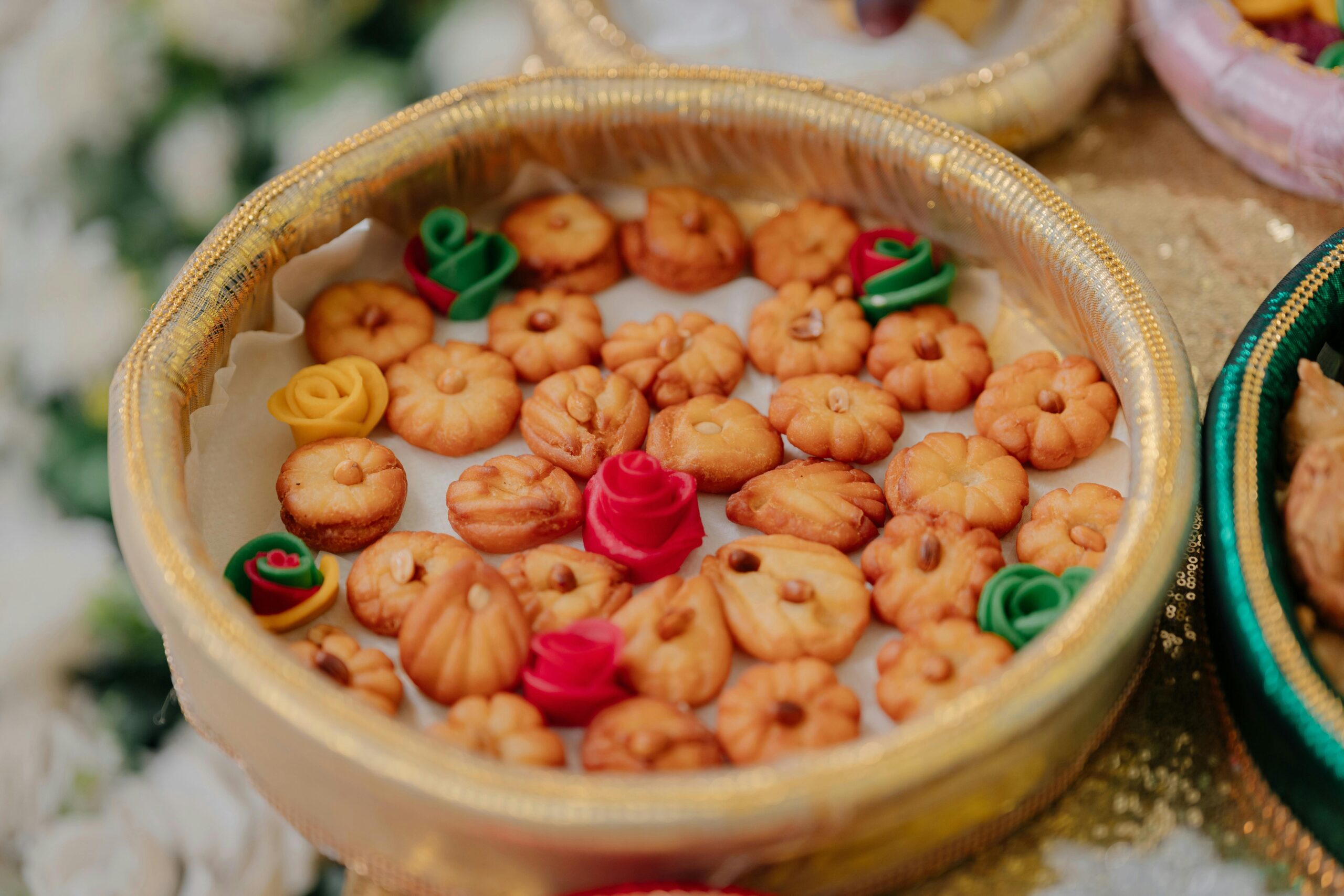
Ram Navami (late March) and Ugadi (also March, the Telugu and Kannada new year) already went by this year. If you ran specials for either, check what actually sold. That data matters more than any planning guide.
Missed both? They fall in late March again in 2027. Put a calendar reminder in now so you don’t scramble again.
Quick note on Ugadi: its defining dish is Ugadi Pachadi, a chutney deliberately made with six different tastes (sweet, sour, salty, bitter, spicy, astringent). There’s nothing quite like it anywhere else, and restaurants that offer it authentically find they don’t need to discount.
Running both festivals from one kitchen
If you’re in a mixed metro like Bangalore, Hyderabad, Chennai, Mumbai, or Delhi, you probably serve customers from both communities. The question is how to handle two festivals on consecutive days without the kitchen imploding.
Start with your order data from the last 3 months. Which neighbourhoods are ordering from you, and what do they usually get? That tells you whether to go deep on Baisakhi, Vishu, or both.
Then build from your existing menu. Lassi is a Baisakhi item this week, and your summer bestseller for the next four months. Payasam is your Vishu special, and a dessert you can run through all of April. Stack festival specials on top of what you’re already prepping rather than starting from scratch.
Packaging also does more heavy lifting than people realize. A regular meal becomes a “Baisakhi Celebration Pack” or “Vishu Thali” when it’s served in a clean, well presented box with a festival label. The food might be identical. The presentation creates the occasion. (If you’ve already looked into how delivery packaging shapes how customers feel about their order, none of this is new.)
Keep your offers short and specific. “Celebration Pack for 6, this weekend only.” “Kerala Thali, Tuesday only.” Tight deadlines work better than vague “festival season” discounts.
This week’s festival menu at a glance
| Festival | Date | Core dish | Drink | Key move |
|---|---|---|---|---|
| Baisakhi | Apr 13 | Chole Bhature / Amritsari Fish | Mango Lassi | Group celebration pack (serves 4-6) |
| Vishu | Apr 14 | Sadya Thali (7-9 dishes) | Sambharam (buttermilk) | Palada Payasam as premium dessert |
Scaling without running out of everything
Festival volume tests your operations, whether dine-in or delivery. The last thing you want is a Baisakhi order for 30 people and you’re short on plates, or Vishu delivery boxes leaking sambhar into the bag.
Most operators doing serious festival volume have moved to compostable disposables for festival-day crockery. Pre-set large quantities without worrying about washing logistics, they look decent on the table, and they hold up to hot curries and rice. If you need to stock up before the weekend, Chuk’s range of plates and bowls is a practical place to start.
Stock more than you think you’ll need. Every caterer has that one story about running out of serving ware mid-event. Don’t be that story.
FAQ
Q: I have a North Indian menu. Is Vishu even relevant to me? Depends on your neighbourhood. If you’re in Bangalore, Chennai, or Mumbai with a Keralite population nearby, a Vishu Thali with 5-6 South Indian dishes and a decent payasam can capture that occasion without overhauling your kitchen.
Q: How do I promote Baisakhi with less than a week left? Today: update Zomato and Swiggy menus (they take 2-3 days to reflect). Tomorrow: Instagram post and story. Day after: WhatsApp broadcast to regulars. That’s basically your whole promotions window for a festival this close.
Q: Can delivery work for Vishu Sadya? A curated 7-9 dish Vishu Thali, yes. Use deep containers for gravies and pack pappadam separately because it turns to paste if it touches moisture. Have a look at delivery packaging basics before the rush.
Q: What’s the best-margin item across both festivals? Sweets and desserts. Mango Lassi and Sooji Halwa for Baisakhi. Palada Payasam for Vishu. Low food cost, easy to batch, and customers pay festival pricing for them without much pushback.
Q: Should I try to run both festivals or just pick one? If your kitchen can handle it, both, since they’re on different days. If you’re not sure, pick whichever matches your existing menu and customer base. A Baisakhi celebration pack done properly beats a scattered attempt at covering everything.
In a nutshell
Baisakhi (Apr 13) and Vishu (Apr 14) are this week. You have time to set up, but the window is closing.
- Baisakhi: group orders, Amritsari fish fry, chole bhature, mango lassi, celebration pack for 4-6. Update your aggregator listings today.
- Vishu: curated Sadya thali with 7-9 dishes. Palada Payasam is the premium item. Compostable thali if banana leaves aren’t available.
- If you’re in a mixed metro, figure out which community your regulars belong to and own that festival rather than spreading thin.
- Stock up on compostable disposables for high volume days. You’ll need more than you think.
Ram Navami and Ugadi are done for 2026. Note what worked, note the dates for next year, move on.
The restaurants that profit from festival week aren’t the ones trying to do the most. They’re the ones that planned it out.